


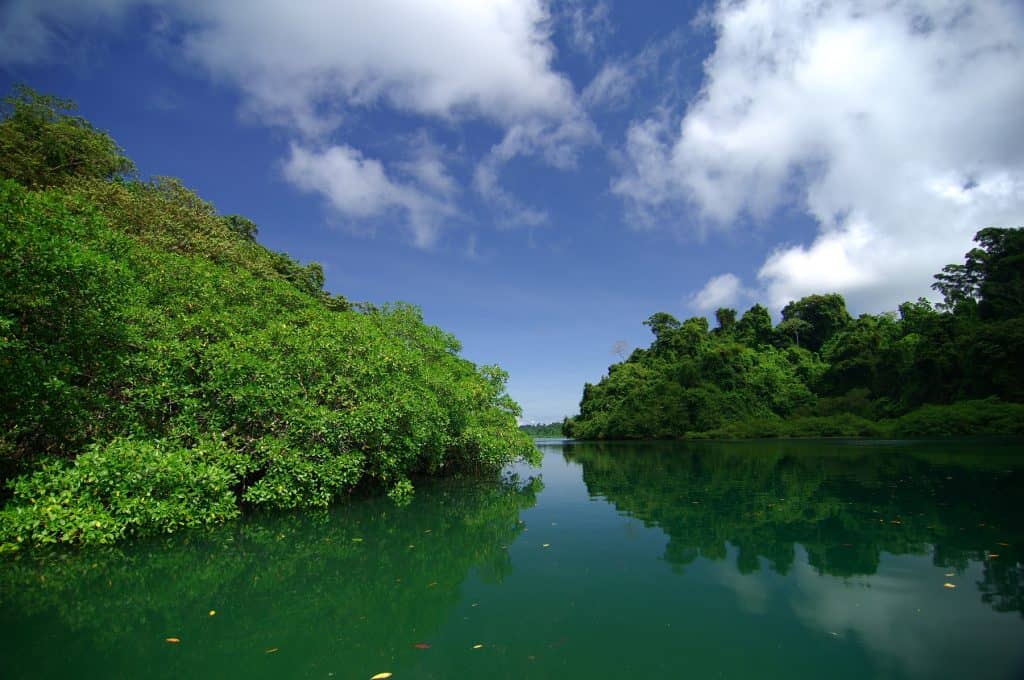
On the shore of Parita Bay, in the province of Herrera, there is a national park called Sarigua. Cracked ground, salt crust, almost nothing green. Visitors often call it a desert.
It was not always like that. People lived and farmed on that coast for thousands of years. Then, less than a century ago, the mangroves that sheltered the shore were cut and the plain was cleared for cattle. Without roots to hold it, the soil left with the rain, the tides and the salty wind. What stayed behind was salt.
Sarigua is what a coast looks like when its mangroves stop working for it. The rest of this article is about the opposite: everything a living mangrove does for you, every single day.
What Are Mangroves?
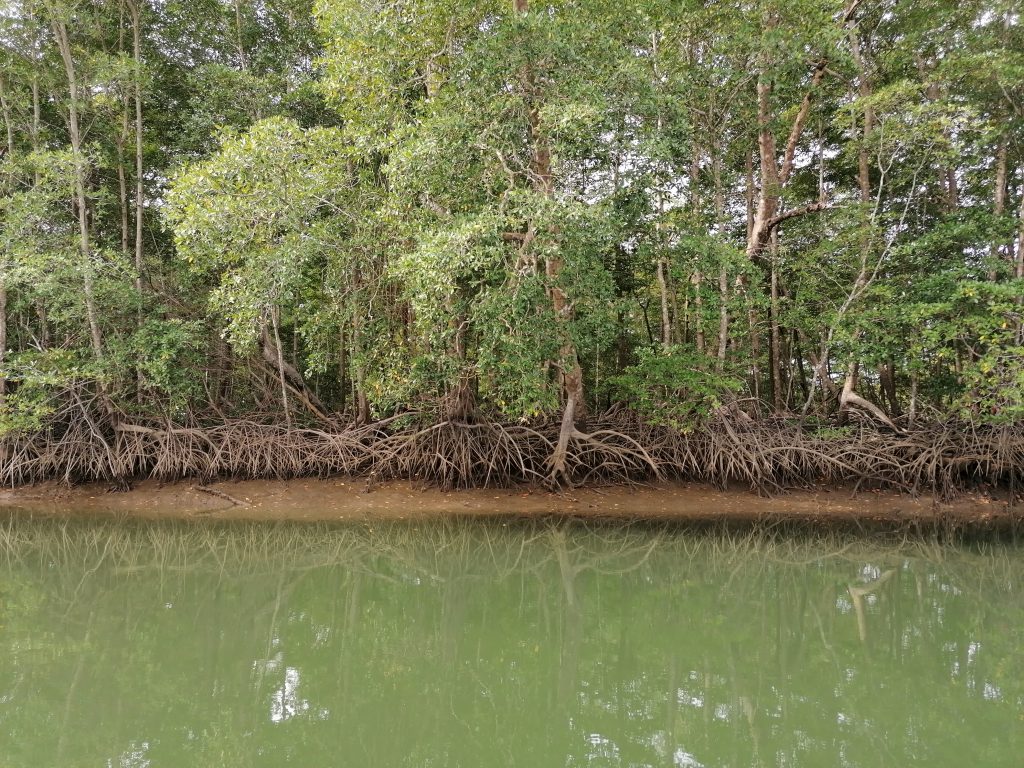
Mangroves are trees and shrubs that grow where rivers meet the sea in the tropics, rooted in salty or brackish water that would kill almost any other tree. They form dense coastal forests with tangled roots that stand above the mud at low tide. Panama has three main kinds, red, black and white, and you can learn to tell them apart on a day in the Gulf of Montijo.
Why Are Mangroves Important?
Mangroves are important because they protect coasts from waves and floods, keep coastal water clean, lock away huge amounts of carbon in their mud, and feed the people who fish, harvest and work around them. Few ecosystems do that much for the people who live next to them.
Benefits of Mangroves
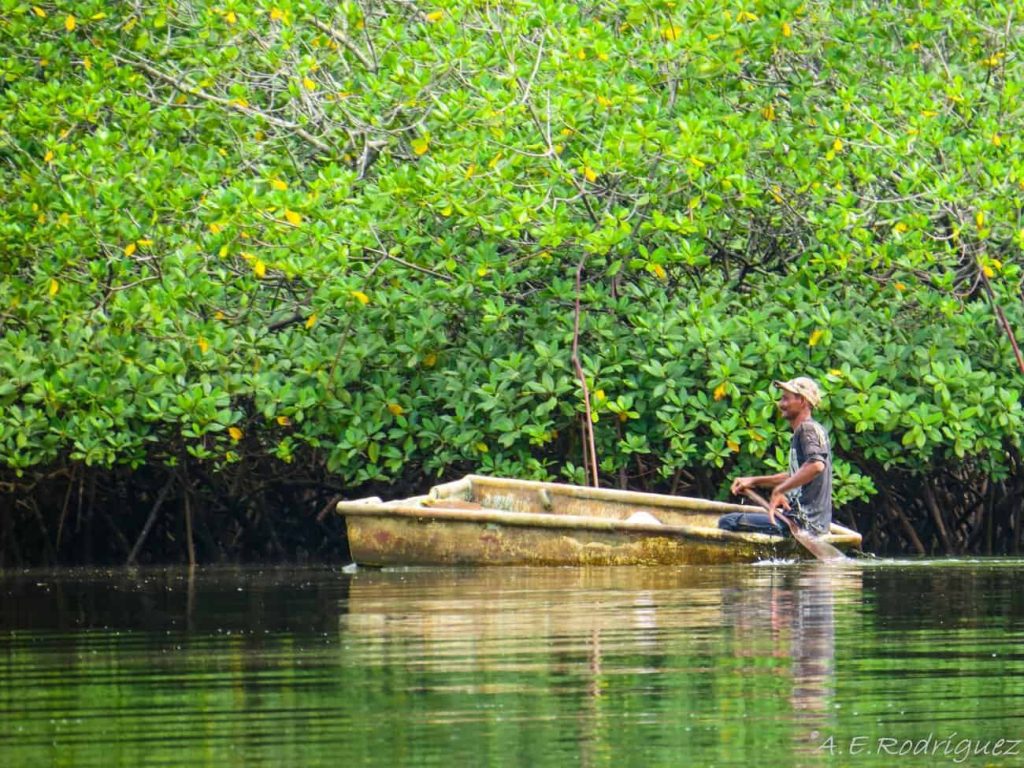
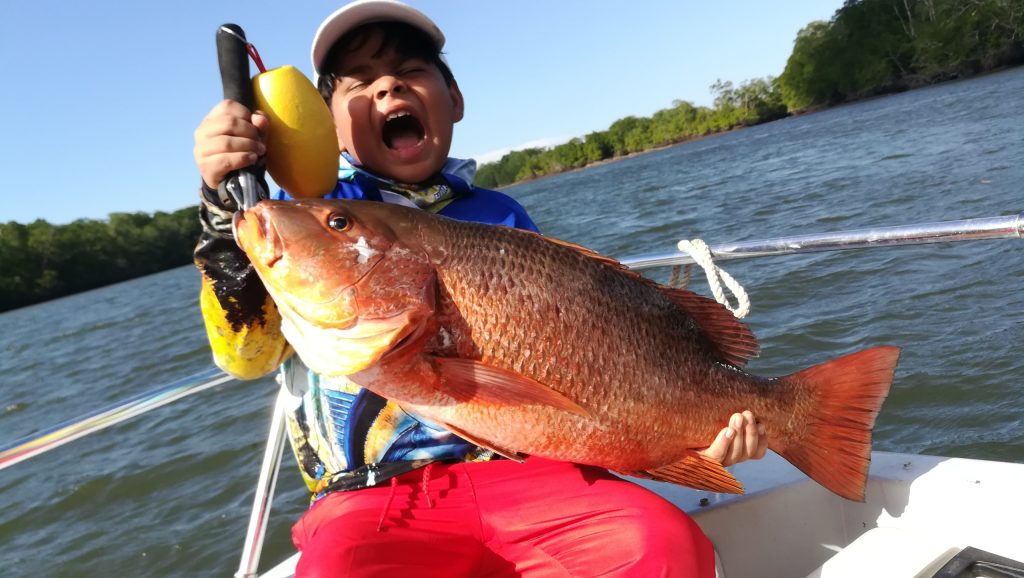
Most articles about mangroves talk about fish. Fair enough: we wrote one too, about the ocean’s nursery. But here’s the thing: the people living along the coast get just as much out of these forests. These are the benefits you can actually see on a trip.

How Do Mangroves Protect the Coast?
Mangroves protect the coast by breaking waves, slowing down storm surges and holding the shoreline together with their roots. Every root is a small speed bump. Thousands of them, packed together, take the punch out of the sea before it reaches a house, a road or a field.
Researchers who measured it found that 100 meters of mangrove forest can cut wave height by between 13% and 66%, depending on how dense the trees are and how shallow the water is. Scale that up to every coast on the planet and mangroves prevent more than $65 billion in flood damage a year, and spare about 15 million people from being flooded.

Sarigua shows the other side of that deal. Take the trees away and the coast does not just lose its shade: it loses the soil itself.
Mangroves and Blue Carbon
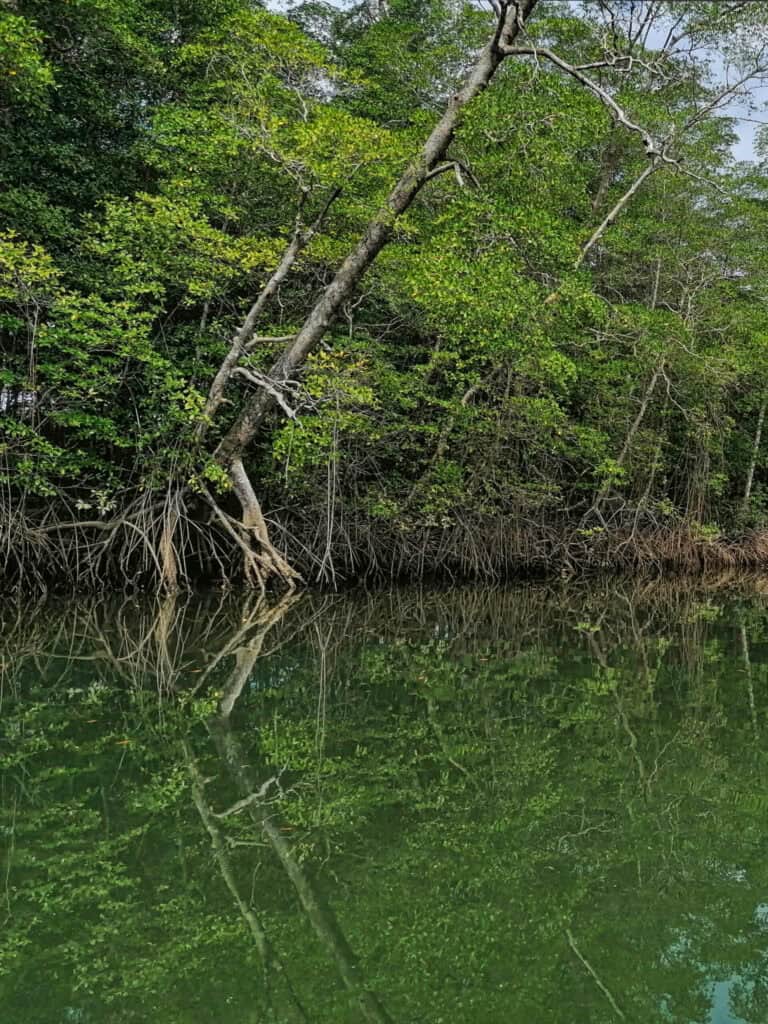
Mangroves in Panama
Panama has about 187,064 hectares of mangroves on both coasts, roughly 5% of all the mangroves in the Americas. Six wetlands of international importance under the Ramsar Convention protect large parts of them: Matusagarati and the Gulf of San Miguel in Darien, the Bay of Panama, Damani-Guariviara in the Ngabe-Bugle region, San San Pond Sak in Bocas del Toro and the Gulf of Montijo in Veraguas.
The Gulf of Montijo is the largest of the six, with about 97,000 hectares and more than 10% of the country’s mangroves. Fresh water from the Veraguas highlands meets the Pacific here, and the tide pushes salt water deep into every channel twice a day. Our boats leave from the Club Nautico de Veraguas in El Bongo, 5 minutes from Puerto Mutis. For islands, birds and what to do there, read our guide to the Gulf of Montijo wetlands.

Why Are Mangroves Disappearing?
Mangroves disappear when people cut them for charcoal or timber, fill them in for buildings, roads and tourism projects, clear them for cattle, rice or shrimp ponds, or choke them with trash and polluted water. Each of those trades a forest that works for free, forever, for a gain that usually lasts a few years.
Panama has strong rules on paper. Destroying a mangrove is a crime, and the fines can reach $300,000 per hectare. Even so, the country’s own environment minister has admitted that cutting and burning for charcoal and illegal landfills still happen in some areas. The hard part is not writing the law. It is watching every river mouth.
How Can We Protect Mangroves?
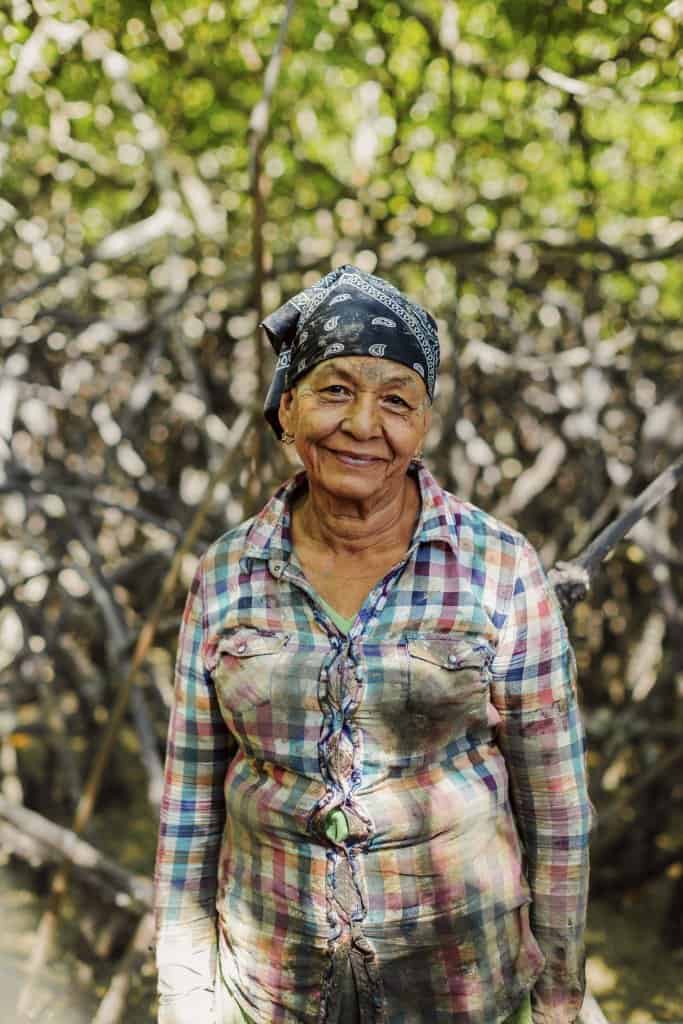
The simplest ways to protect mangroves are to keep the ones that still stand, replant the ones that were lost, and spend your money where a living mangrove pays someone’s bills. Restoration works best when the local community runs it, so here is how a visitor can help in the Gulf of Montijo.
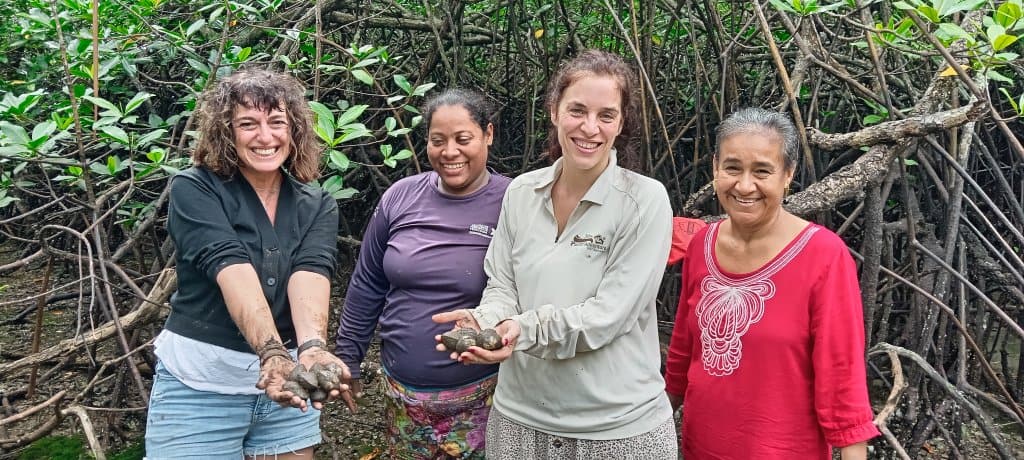
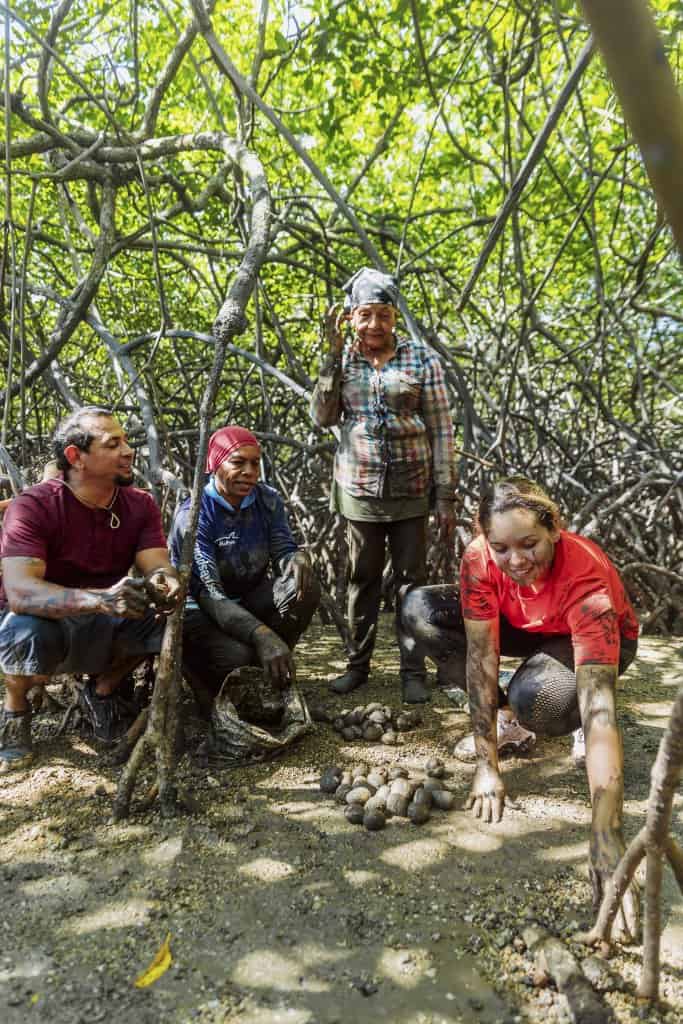
Local people, passionate about their land, working to teach and share it.
Laura Marco, Google review after a mangrove kayak tour
Leave nothing behind but footprints in the mud: no single-use plastic, reef-safe sunscreen and a reusable bottle. Here is our full list of what to wear and bring on a boat tour.
Frequently Asked Questions
What would happen if mangroves disappeared?
Coasts would erode faster, storms and high tides would flood more homes, coastal water would get muddier, fish and black clams would decline, and the carbon stored in mangrove mud would be released. In Panama, Sarigua National Park shows how a coast without mangroves and trees can turn into salty, barren land.
Do mangroves grow in salt water?
Yes. Mangroves grow in salty or brackish water where rivers meet the sea. They filter most of the salt at their roots or push it out through their leaves, and many have roots that stand above the mud so they can breathe at high tide.
Where can you see mangroves in Panama?
Panama has mangroves on both coasts. The largest protected area is the Gulf of Montijo in Veraguas, a Ramsar site of about 97,000 hectares. Others include the Bay of Panama, the Gulf of San Miguel and Matusagarati in Darien, Damani-Guariviara in the Ngabe-Bugle region and San San Pond Sak in Bocas del Toro.
Can visitors help restore mangroves in Panama?
Yes. On the Isla Leones tour in the Gulf of Montijo, visitors can plant a mangrove with Las Aventureras for free. Choosing kayak tours, local guides and seafood that respects minimum sizes also helps keep mangroves standing.
What animals live in mangroves in Panama?
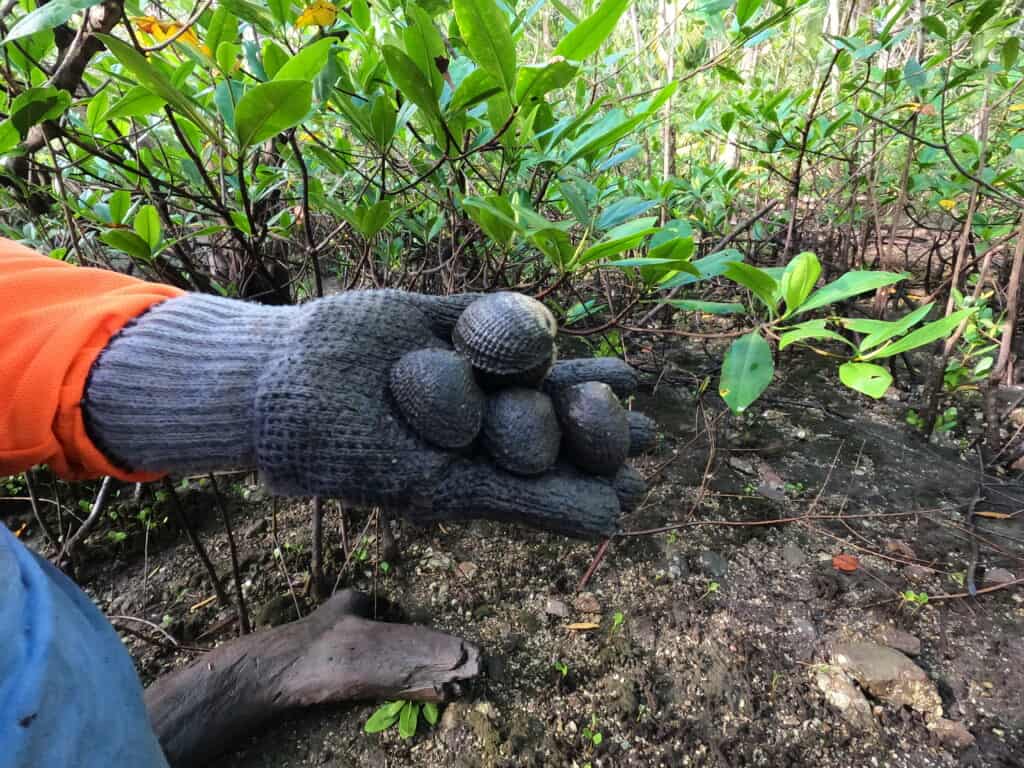
In the Gulf of Montijo you can see tiger herons, roseate spoonbills, pelicans, howler monkeys, iguanas, crabs, American crocodiles and more than 80 resident bottlenose dolphins near the river mouths. Young snapper, corvina and black clams grow among the roots.