What to Wear and Bring on a Boat Tour without Overpacking, Panama

Sunshine, sea turtles, and a boat all to yourselves: your day in Panama’s islands is going to be a good one. The only hard part? Deciding what goes in the bag. Relax, we’ve done this a thousand times. Here’s everything you need (and nothing you don’t) for a perfect day in Coiba, the Gulf of Montijo, Cebaco Island, or Pedasi & Iguana Island, some of the wildest protected places on the Pacific.

Let’s be honest: nobody reads packing lists. So we’ll keep this one short and fun. Pack light, pack smart, and leave room for the good stuff: salty hair, a camera full of sea turtles, and a story you’ll tell for years.

No Convenience Stores Out Here

Our tours take you to remote islands and wild coastlines, far from shops, supermarkets, and, well, civilization. That’s exactly the point: we leave the busy world behind to connect with nature. Packing smart makes your day more comfortable and helps keep these places the way you found them.
The trick: pack for your day, not for "just in case"

Picture it: an early boat ride with the wind in your face, a morning in the water, lunch on a quiet beach, and the ride back as the afternoon clouds build up. If something doesn’t fit into that day, you probably don’t need it. Less time looking for things in your bag, more time looking at sea turtles. When in doubt, leave it out!

The essentials for every tour

We take care of the boat, the gear, the heavy lifting, the water, and the ice. These are yours to bring:

1

Long-sleeve shirt

A light swim shirt or rash guard. The sun near the equator burns fast, even on cloudy days.

2

Biodegradable, reef-safe sunscreen

Regular sunscreen harms corals. The sun here doesn’t mess around.

3

Wide-brim hat and UV400 sunglasses

Polarized cuts the glare off the water. Bring a strap for both: the wind takes whatever isn’t tied down.

4

Shoes you can get wet

Non-slip, for stepping on and off the boat and onto beaches.

5

Light raincoat or windbreaker

From May to November, showers usually come in the afternoon, and the ride back can be windy.

6

Swimsuit and a quick-dry towel

Takes little space, dries between stops and doesn’t hold on to the sand.

7

Insulated stainless-steel bottle

We carry water and ice for everyone: just refill, and it stays cold all day. Any reusable bottle works too, since single-use plastic isn’t allowed in Panama’s protected areas.

8

Your original passport or ID card

Panamanian law requires everyone, locals and visitors alike, to carry original ID. A photo or photocopy isn’t enough. Keep it in a waterproof bag.

9

A dry bag

For your phone, camera and documents.

10

Some cash

For tips and extras. There are ATMs in Santiago, Montijo and Santa Catalina, but not at the docks.

Before you go: park entrance fees

Most protected areas charge an entrance fee set by MiAmbiente, Panama’s Ministry of Environment. It is not included in the tour price and can’t be paid at the park: each guest pays it online ahead of time, and you’re good to go. Pay your park fee on the MiAmbiente site →

Where does your fee go? Your fee helps protect these areas: it funds research and wildlife monitoring and pays the rangers and staff who look after them. Coiba National Park goes one step further: it has its own governance model, and every dollar goes straight into the Coiba Fund, which reinvests it in the park, with a share going back to the communities around it. Think of it as your ticket to paradise and your share in keeping it that way.

DestinationVisitorsLocals
Coiba National ParkUS$20US$5
Gulf of MontijoUS$5US$3
Isla Iguana and Isla Cañas (Pedasi)US$10US$4
Cebaco IslandNo feeNo fee

Extra Items by Tour

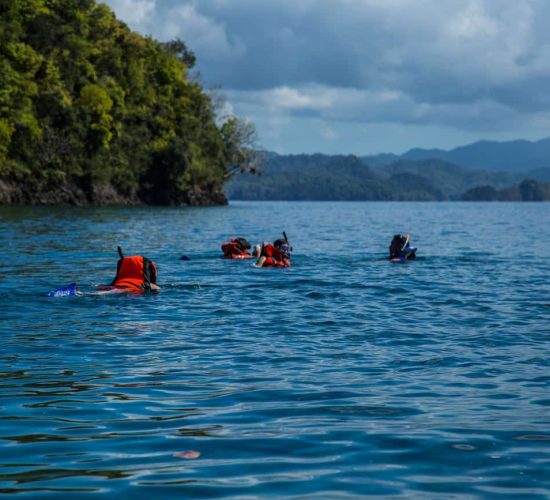
A family along on a snorkeling spot in Coiba National Park
Coiba · Cebaco · Isla Iguana

Your own mask, if you prefer it (we carry snorkel gear for everyone in all sizes, including for kids). Food in reusable containers if you bring your own lunch, or ask for our beach menu.

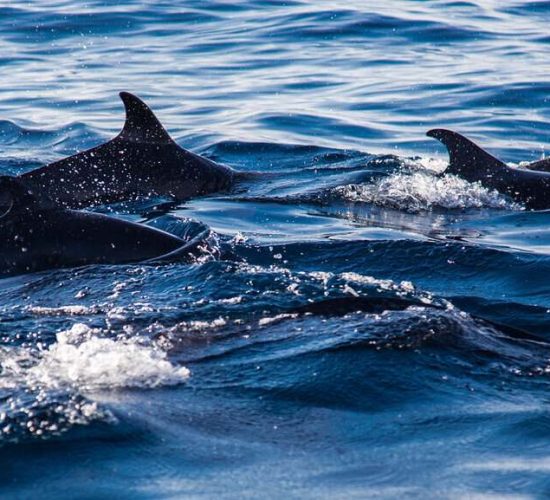
Dolphin Watching in Panama

A camera with zoom: by law, boats keep at least 250 m (820 ft) from the whales and 100 m (330 ft) from the dolphins. Don’t worry, we provide binoculars. A windbreaker, because we spend more time in open water.

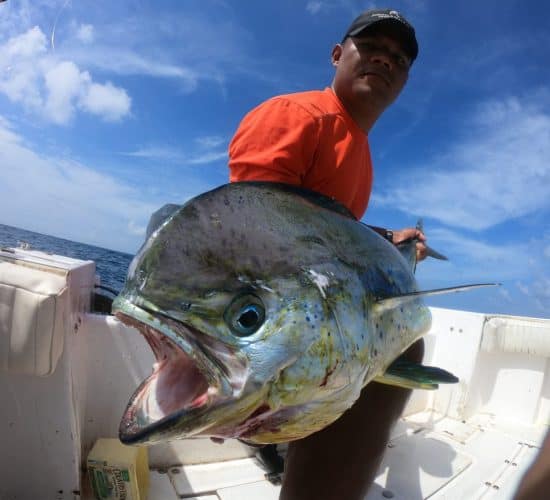
Mahi Mahi Sport Fishing in Panama

Polarized sunglasses to spot fish near the surface, sun gloves, and a buff for long days in the sun. Rods, reels, lures, live bait, and the fishing license are included.

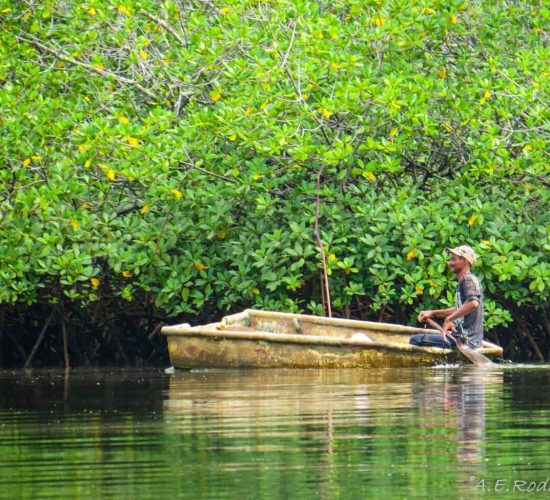
Mangrove at Gulf of Montijo, Panama
Gulf of Montijo · Isla Cañas

Shoes that can get muddy, insect repellent (apply it separately from your sunscreen, never mixed) and light long pants if you’re sensitive to bites.

Snorkeler with a GoPro and floating grip filming a sea turtle in Coiba National Park


Underwater cameras: do you need one?

Not essential, but it’s the best souvenir you can take from Coiba and the only one that takes nothing from the reef. A GoPro or any action camera works well; a waterproof phone case is a cheaper option. Whatever you bring, attach a floating grip or a wrist strap: Don’t let your camera sleep with the fishes.

What we provide

  • Private boat, captain and bilingual guide
  • A roof on every boat for shade
  • Life jackets in all sizes, including for kids
  • Snorkel gear in all sizes (snorkeling tours)
  • Drinking water, ice and a cooler
  • Fishing gear, bait and license (fishing tours)

Leave at home

  • Disposable plastics, foam and single-use snack bags
  • Regular (non-biodegradable) sunscreen
  • Glass bottles: broken glass on a wet deck is a real risk
  • Heels or heavy shoes: they slip on a wet deck
  • Big luggage: a small backpack or dry bag is enough
  • Pets: not allowed in protected areas
  • Loud speakers: let nature be the soundtrack

Tips for a comfortable day

No restroom on board
Use the restroom before we sail.
Get seasick easily?
Take your pill 60 minutes before we sail, as directed on the package, and eat a light breakfast.
Coming with kids?
Extra sun protection and snacks. Tell us their ages and we’ll plan the day around them.
Start early
To enjoy calmer seas and the sunniest hours.

Your packing checklist

Tap each item as it goes in your bag. When everything's crossed out, you're good to go!

Packing frequently asked questions

What should I wear on a boat tour in Panama?

A light long-sleeve shirt, swimsuit, hat, polarized sunglasses, and shoes you can get wet. Bring a light raincoat or windbreaker for the ride back, especially from May to November.

Do I need my passport for a tour in Panama?

Yes. Panamanian law requires everyone, locals and visitors alike, to carry original ID at all times, so bring your original passport in a waterproof case. A photo or photocopy isn’t enough.

Is the Coiba National Park fee included in the tour price?

No. Each guest pays it online in advance on the MiAmbiente site: US$20 for foreign visitors and US$5 for Panamanians. You’ll find all the details in the park fees section above.

Can I bring food and drinks on the boat?

Yes, in reusable containers. Disposable plastics, foam, and single-use snack bags are banned in Panama’s protected areas. We carry water, ice, and a cooler. You can enjoy alcoholic drinks on the boat (no glass), but not on the islands or beaches of protected areas.

What sunscreen should I use for snorkeling in Panama?

A biodegradable, reef-safe sunscreen. Regular sunscreens harm corals. A long-sleeve swim shirt protects you even better and means less sunscreen in the water.

What shoes should I wear on a boat?

Non-slip shoes you can get wet, like water shoes or sport sandals with a strap. Leave heels and heavy shoes at home: they slip on a wet deck. For mangrove tours, bring shoes that can get muddy.

What should I wear on a fishing boat in Panama?

Sun protection is everything: a long-sleeve shirt, a buff (neck gaiter), sun gloves, a hat, and polarized sunglasses to spot fish near the surface. Rods, reels, lures, bait, and the fishing license are included.

Ready to pack?

Now for the fun part.
Pick your island, your date, and your crew. We’ll take care of the rest.

Not sure when to come? Check our wildlife calendar, month by month.