A Day in the Gulf of Montijo: Mangroves, Islands and Empty Beaches

Gulf of Montijo · A day by boat

Mangroves at sunrise. A beach with nobody on it by noon.

Most people drive past the Gulf of Montijo on the way to somewhere else. The ones who stop get a day that starts with herons and dolphins and ends with their toes in the sand of an island.

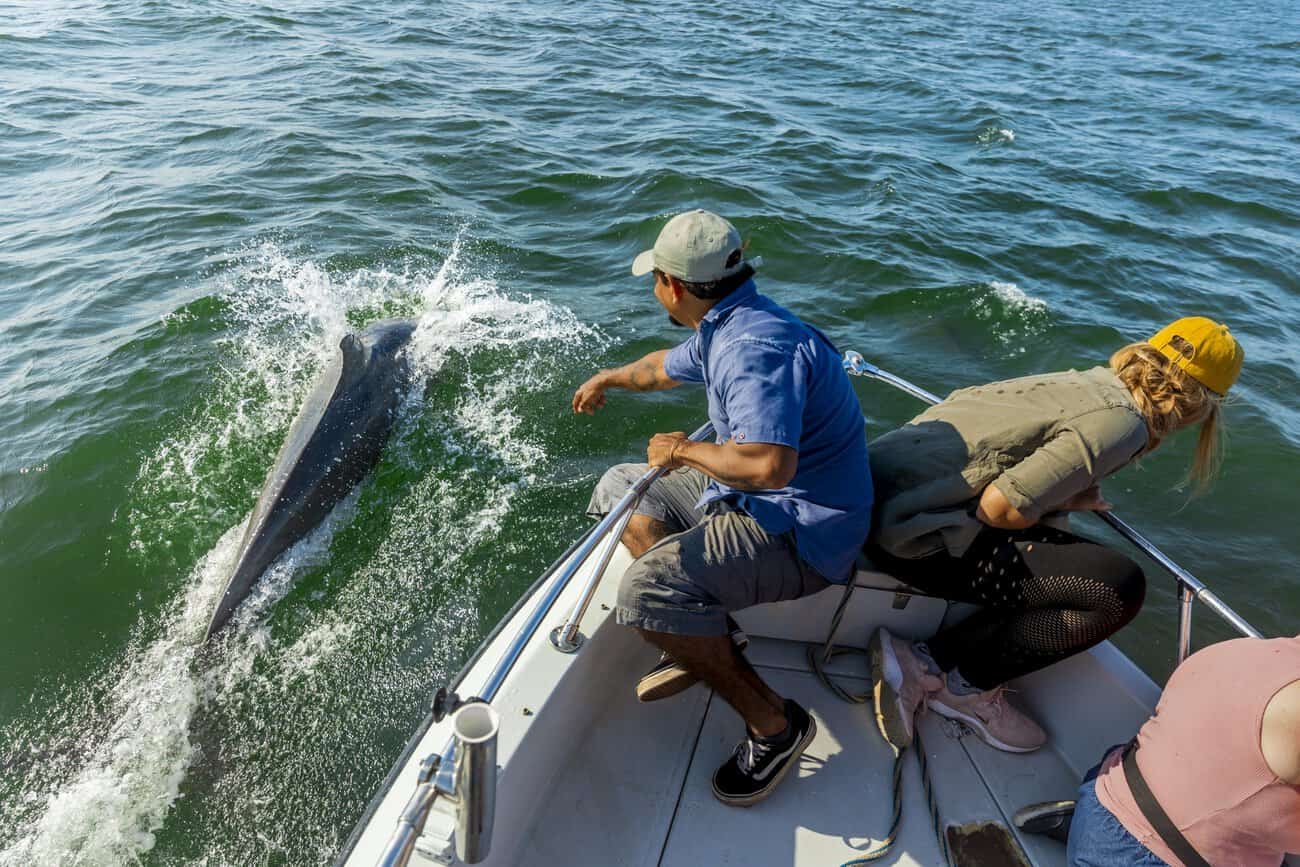
Bottlenose dolphins swimming beside a boat in the Gulf of Montijo, Panama

The captain’s first look of the day is not at the sky. It is at the tide table.

In the Gulf of Montijo the sea rises and drops up to six meters every six hours. Channels that are wide open at dawn turn into mud by noon, and beaches that did not exist at breakfast appear right before lunch. Out here, the tide writes the itinerary. Here is how it usually reads, and which beaches it opens for you.

97,000hectares of protected wetland: the largest Ramsar site in Panama.
80+bottlenose dolphins live in the gulf all year round.
6 mof tide every six hours. The map you see at noon is not the one you saw at dawn.
< 10islands. Few enough that you can have a beach to yourselves.
Quick answer

Where Is the Gulf of Montijo?

On the Pacific coast of Veraguas, in central Panama, about 30 minutes from Santiago de Veraguas and around 4 hours by car from Panama City. Boats leave from the Club Náutico de Veraguas in El Bongo de Montijo, 5 minutes from Puerto Mutis. Cebaco Island closes the gulf to the south, and Coiba National Park waits beyond it.

Your Day, Tide by Tide

No two days in the gulf follow the same script. The tide decides which channels are open and which beaches show up, so our captains plan the route the night before. This is what a typical day looks like.
1SunriseLeave With the WaterThe boat leaves El Bongo riding the tide down the San Pedro River. Leave too late and the shallow bends slow you down, so the captain likes to be out before the sun clears the trees.
2Early morningLook for the LocalsThe gulf’s resident bottlenose dolphins often feed near the river mouths at this hour. We slow down, cut the speed and let them decide how close they want to come.
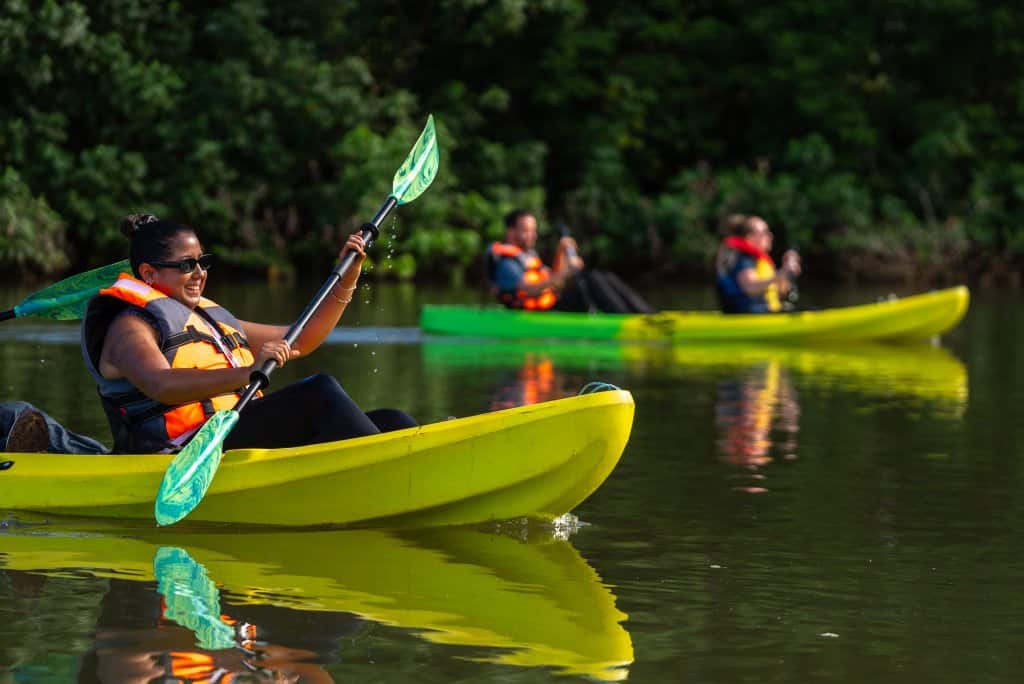
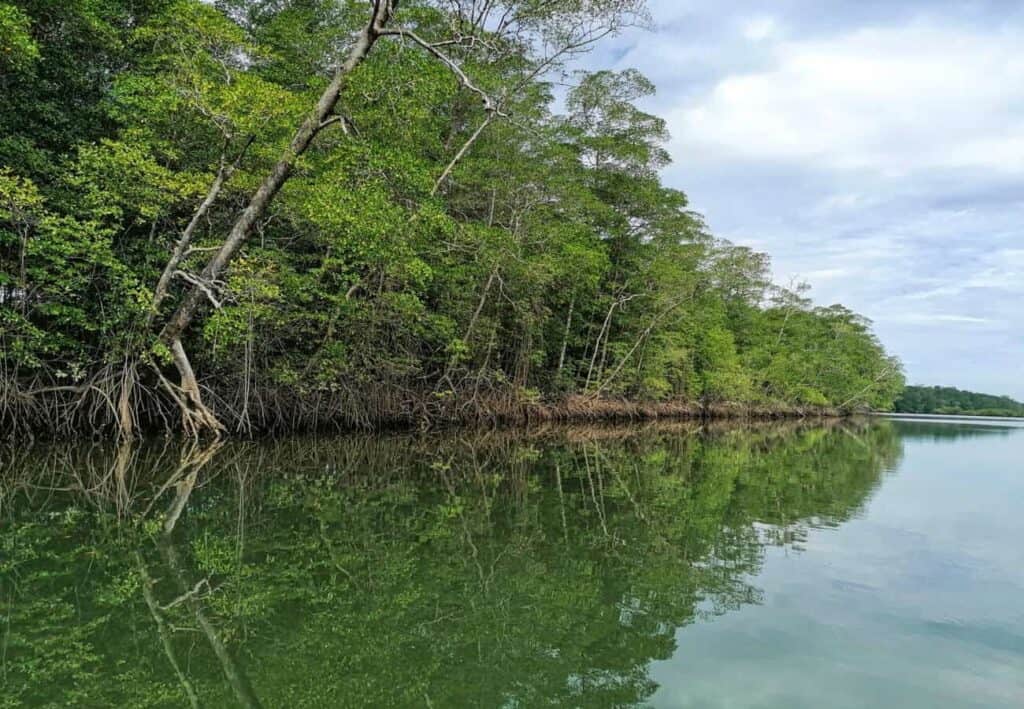
3Mid-morningLearn to Read the MangroveInside the narrow channels your guide teaches you to tell red, black and white mangroves apart: the red one stands on stilts, the black one breathes through pencil-like roots poking out of the mud, and the white one has two tiny bumps at the base of every leaf. By the end of the day you will spot them from the boat.
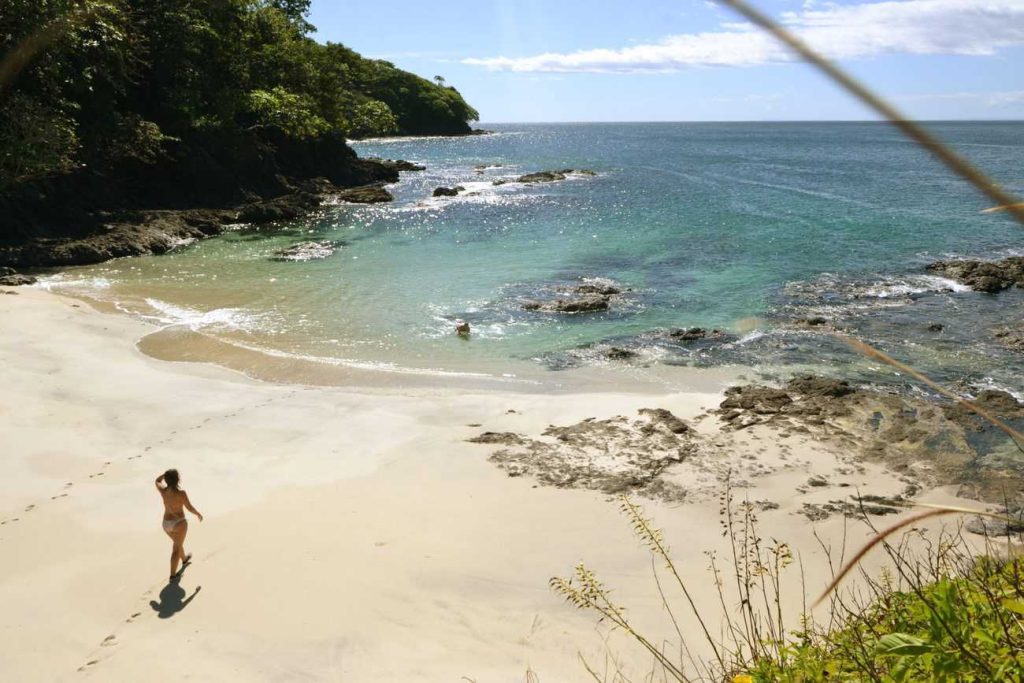
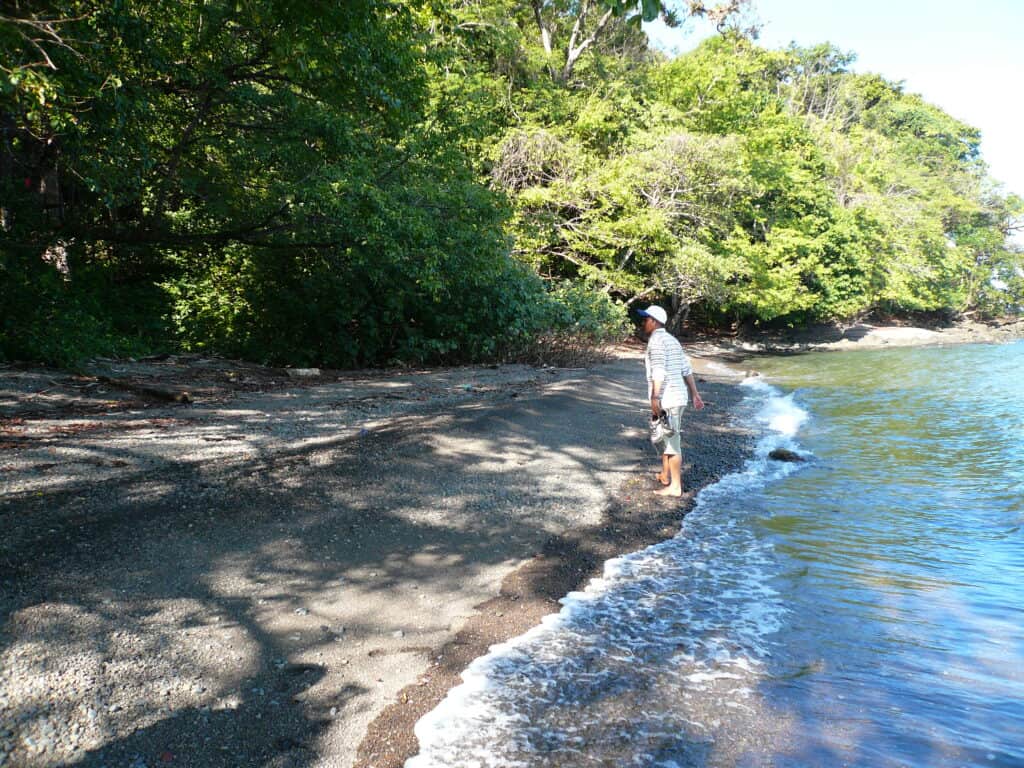
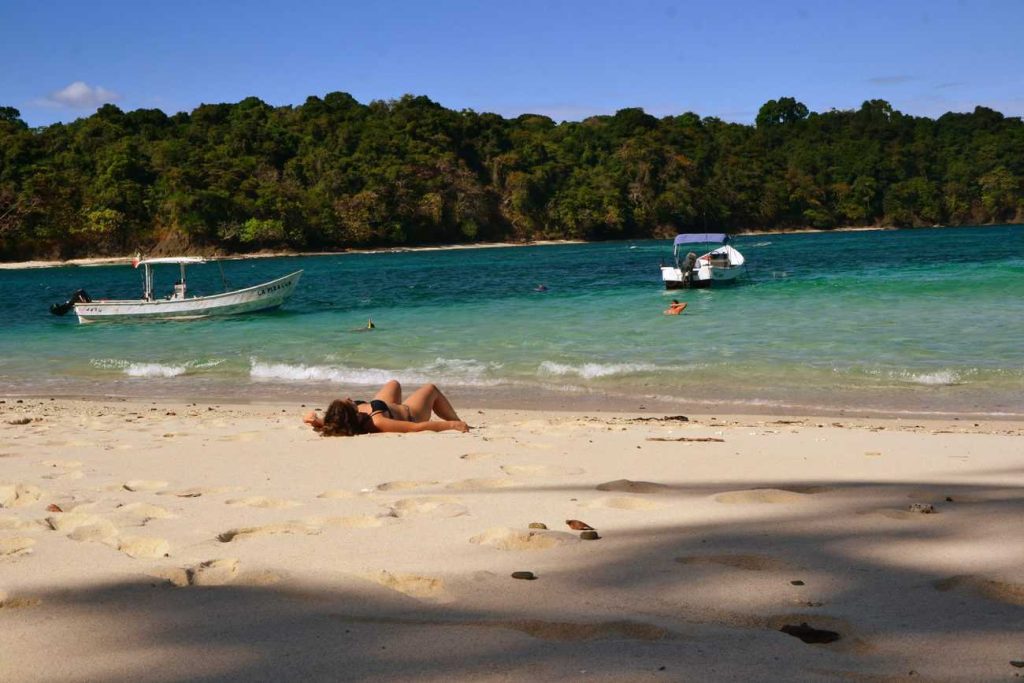
4Late morningYour BeachThen the gulf opens up and the islands appear. Depending on the tide, we land on a small island beach like Tres Islas: golden sand, warm water and, most days, nobody else.
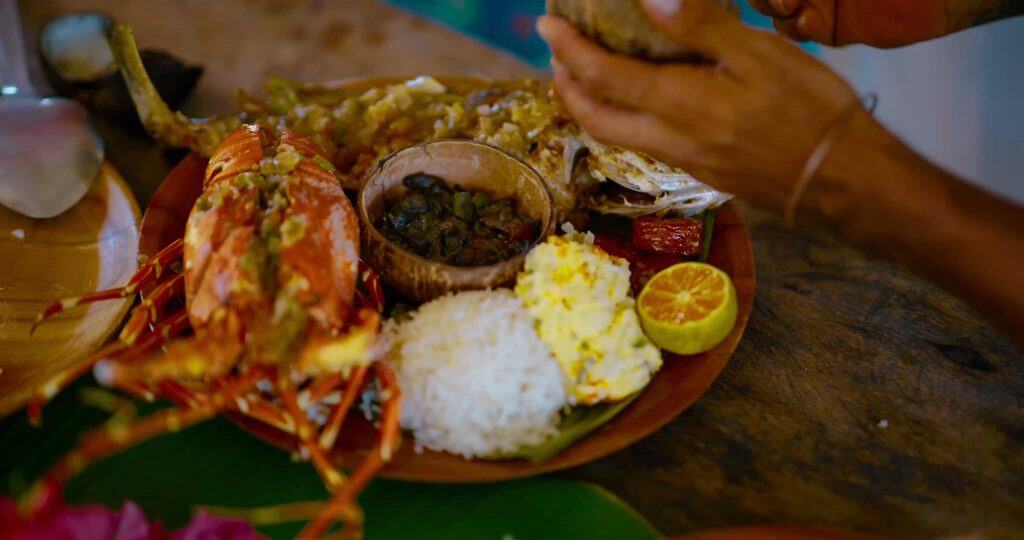
5LunchFish That Was Swimming This MorningOn Isla Leones, Las Aventureras, a group of fisherwomen turned cooks, serve fried fish, coconut rice, plantains and black clams. After lunch the hammocks do the rest.
6AfternoonRide the Tide HomeThe boat heads back to El Bongo with the rising water, past Isla Perdomo, where hundreds of seabirds come back to sleep.
Mangrove channel in the Gulf of Montijo, Veraguas, Panama

Why the mangroves come first. Before you get to the beach, it is worth knowing what keeps it alive. Mangroves filter the water that reaches the islands, hold the coast together when storms hit and raise the fish that end up on your lunch plate.

Want the full story of how this forest works? Read the ocean’s nursery, or our guide to the Gulf of Montijo wetlands.

The Beaches of the Gulf of Montijo

Here is the surprise for most visitors: a gulf famous for its mangroves also has island beaches, and almost nobody on them. These are the ones we visit most.

“

We visited an uninhabited island with turquoise water, completely wild and free of trash. Then we went to another island where a family of fishermen goes out to fish just to cook for you.

Guillermo Pablo Cuervo López, Google review

Who Shares the Water With You
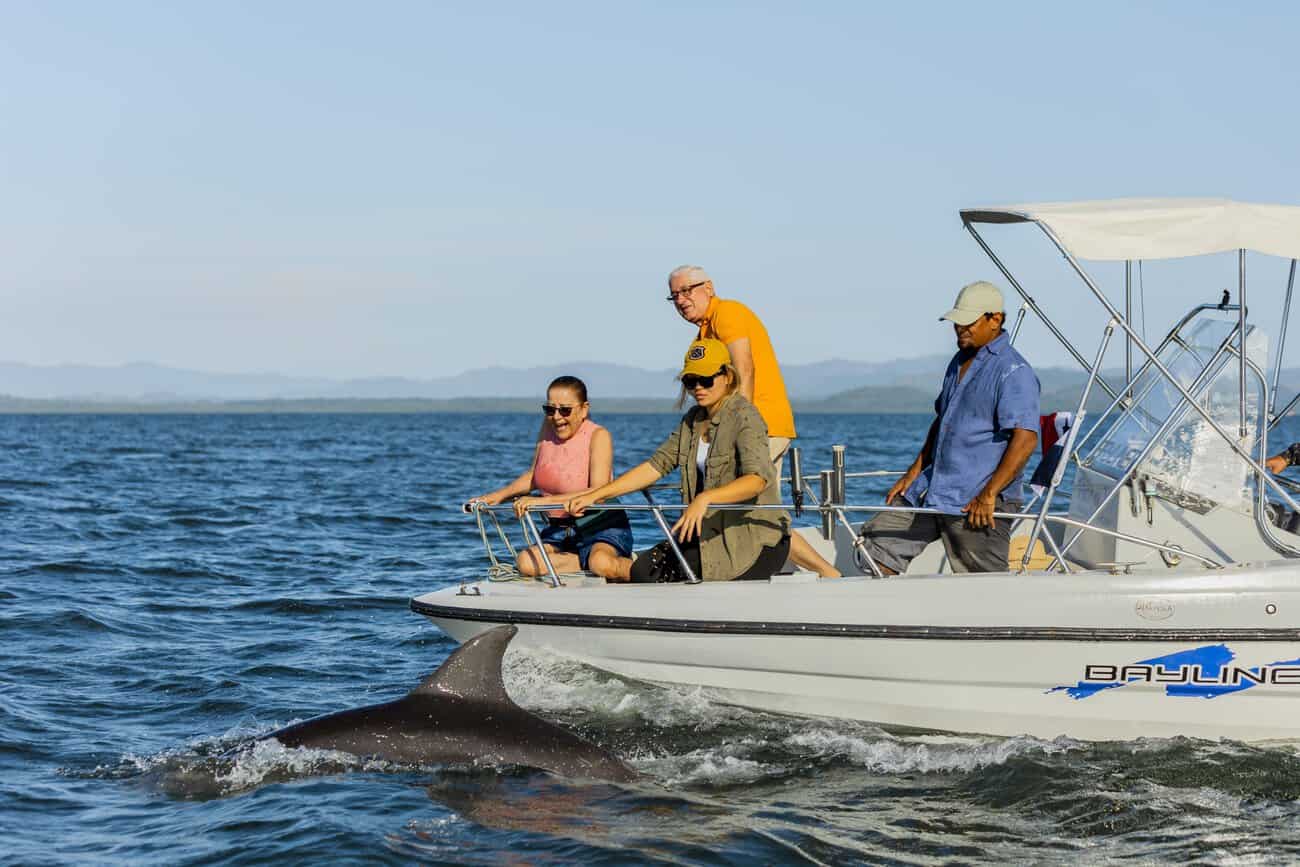
Close encounter with bottlenose dolphins in the Gulf of Montijo, Panama
80+bottlenose dolphins live in the Gulf of Montijo all year, so they are often part of the ride.
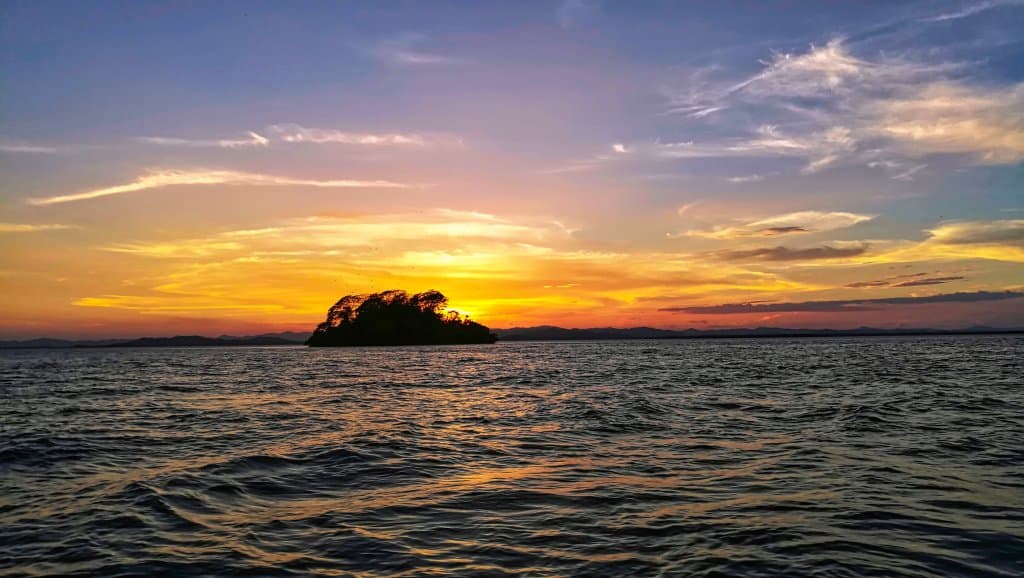
Isla Perdomo at sunset in the Gulf of Montijo

The birds keep office hours. At first light, pelicans, frigatebirds and egrets leave the mangroves in long lines and fly out to fish. All day they work the river mouths and the mudflats, side by side with shorebirds that spend the northern winter here.

At sunset they commute home, and a lot of them land on the trees of Isla Perdomo. Stay out for the whole day and you see both ends of the trip. If you only want the morning shift, join The Bird Awakening, our sunrise kayak tour.

1 boatper group. No strangers, no crowded deck: the boat, the route and the beach time are all yours, at the same price.

What to Bring for a Day in the Gulf

Sunscreen (reef-safe if you have it), a hat, sunglasses, insect repellent for the mangroves, a swimsuit, a towel, a reusable water bottle and a light rain jacket from May to December. Shoes that can get wet help when we land on the islands. Here is our full list of what to wear and bring on a boat tour.
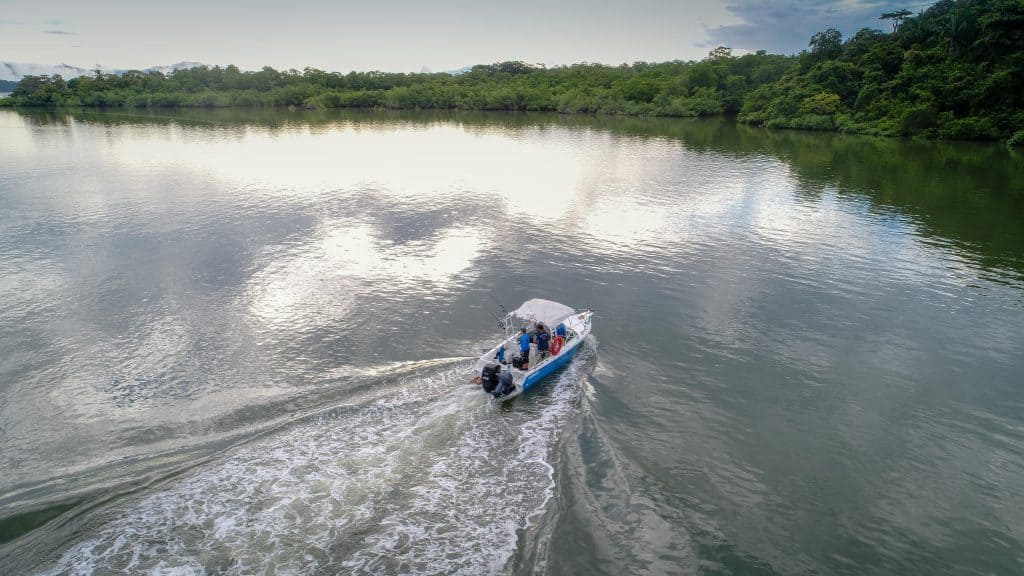
Private boat sailing in the Gulf of Montijo, Panama$450 / boatGulf of Montijo · Private boat · Up to 7This Exact Day, Ready to BookMangrove channels, a beach on Tres Islas and lunch with Las Aventureras on Isla Leones. Leaves from El Bongo, 5 minutes from Puerto Mutis.See the Isla Leones tour →

Two More Ways to Spend It

Red, black and white are not the only mangroves out there: the gulf has a fourth one, the buttonwood. Meet all four, plus the reason the mud smells the way it does, in 10 fun mangrove facts.

If your day in the gulf starts early, this is what you will hear before breakfast: a sunrise in the estuary, minute by minute.

Frequently Asked Questions

Are there beaches in the Gulf of Montijo?

Yes. Besides its mangroves, the Gulf of Montijo has island beaches such as Tres Islas, Isla Leones, Isla Gobernadora and Cebaco Island, which closes the gulf to the south. Most are only reachable by boat, so they are usually empty.

How do you get to the Gulf of Montijo?

Drive to Montijo, about 30 minutes from Santiago de Veraguas and around 4 hours from Panama City. Gulf boat tours leave from the Club Náutico de Veraguas in El Bongo, 5 minutes from Puerto Mutis.

How many islands are in the Gulf of Montijo?

Fewer than ten. The best known are Cebaco, Gobernadora, Isla Leones, Tres Islas, Isla Verde and Isla Perdomo, a bird roost. Cebaco is the largest and the third-largest island in Panama.

What animals can you see in the Gulf of Montijo?

More than 80 resident bottlenose dolphins, tiger herons, roseate spoonbills, pelicans, frigatebirds and migratory shorebirds such as whimbrels and willets. Humpback whales pass near Cebaco from July to October.

Is a day in the Gulf of Montijo good for kids?

Yes. The water in the gulf is usually calm, the boats are private and have shade, and island beaches like Tres Islas are shallow and warm. Families with children are some of our most frequent guests.

Amazing photos from: @fsaproduction, @cebaco_sunrise, @fundacionmarviva, @pacificadvent, @cabanaspalmareal

Get a Question?

Do not hesitage to give us a call. We are an expert team and we are happy to talk to you.

+507 6673-0256

info@pacificadvent.com