


February. The tide creeps in along the south side of Isla Leones, and the water turns warm and murky. A female hammerhead shark that spent the year between Coiba and Cebaco slips into the gulf, in no hurry at all. She isn’t here to hunt. She’s here to give birth.
Within days, her pups will hide in the shallow water of the mangroves, where the big predators don’t go. They’ll stay here until they’re strong enough to head back out to sea, to their mother’s favorite spots.
Why here, and not on any other beach in the Pacific? Because the Gulf of Montijo is a nursery. And not just any nursery: it’s the biggest hammerhead delivery room on Panama’s Pacific coast.
Why They Call It the Ocean’s Nursery
When the tide drops, the secret shows: thousands of roots woven together like handmade fabric. Down there hide the ocean’s newborns, baby fish, shrimp and crabs that stay off the menu for a few hours.
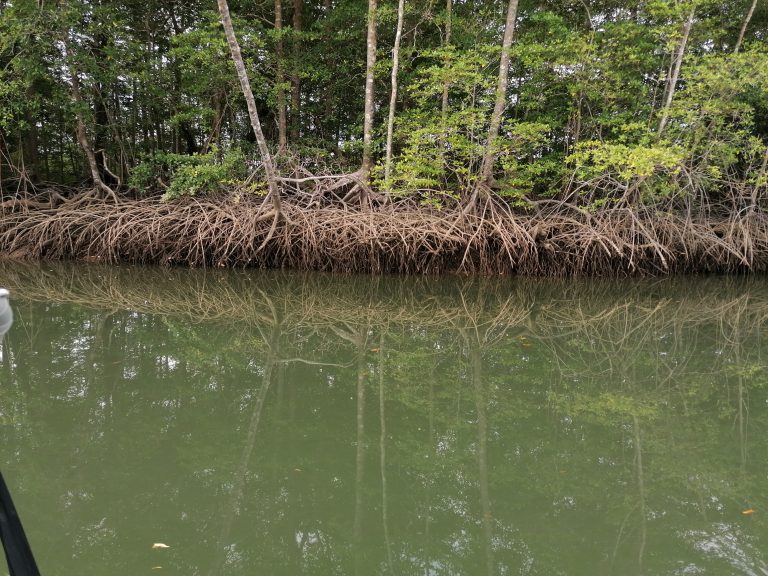
The amazing part is how little space mangroves take up, and how much they hold up:
0.1%
of the planet is covered by mangroves
80%
of the world’s fish catch depends on them in some way
4x
more carbon stored than in a tropical rainforest
The Gulf of Montijo is Panama’s largest Ramsar wetland: around 97,000 hectares of mangroves, estuaries and islands, holding more than 10% of the country’s mangroves. The tide rises and falls up to 6 meters (20 ft), and every time it comes in, it brings fresh food to the nursery.
The Babies of the Gulf
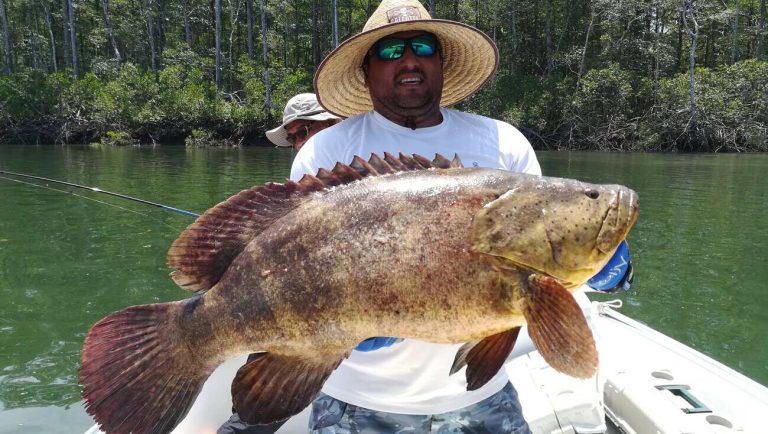
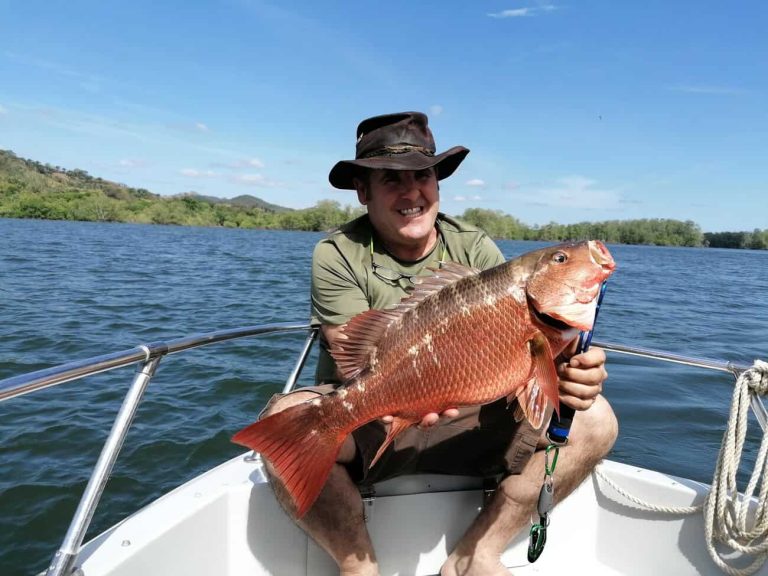
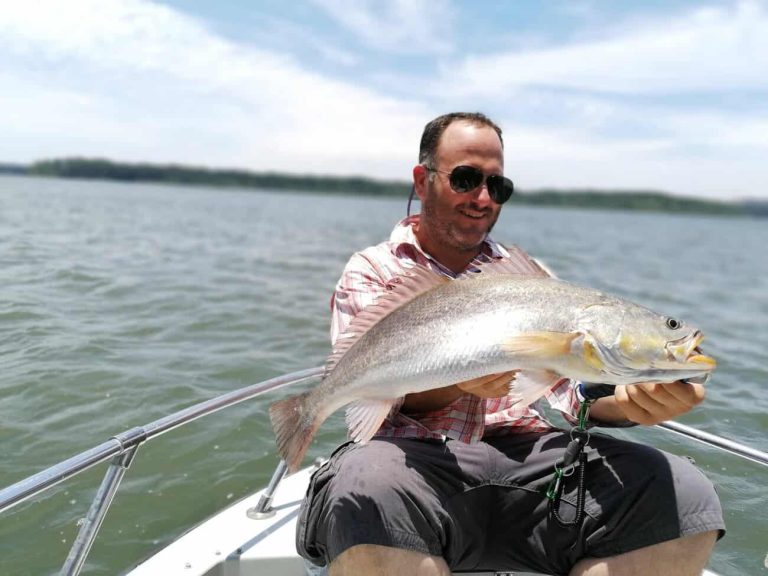
Not everyone who grows up here stays. But almost everyone passes through. Meet some of the mangroves’ smallest neighbors:


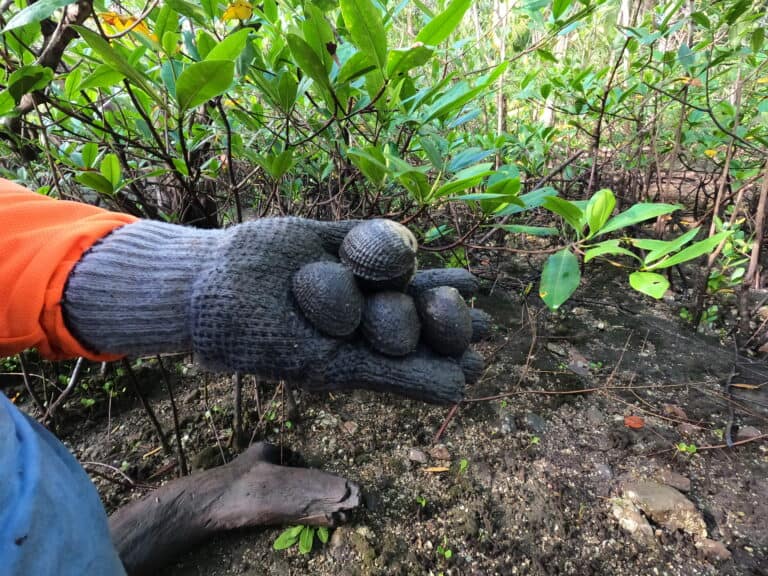
From Cradle to Ocean
When they grow up, many leave the gulf for Coiba National Park, and from there, the open ocean. The hawksbill sea turtles that feed on Coiba’s reefs swim to the beaches of Mariato, and as far as Costa Rica’s Osa Peninsula, to lay their eggs.
Coiba is part of the Eastern Tropical Pacific Marine Corridor, together with Cocos Island, Malpelo and the Galapagos. What’s born in the gulf’s mangroves ends up swimming in some of the most famous seas on the planet. Read more in our Gulf of Montijo guide.
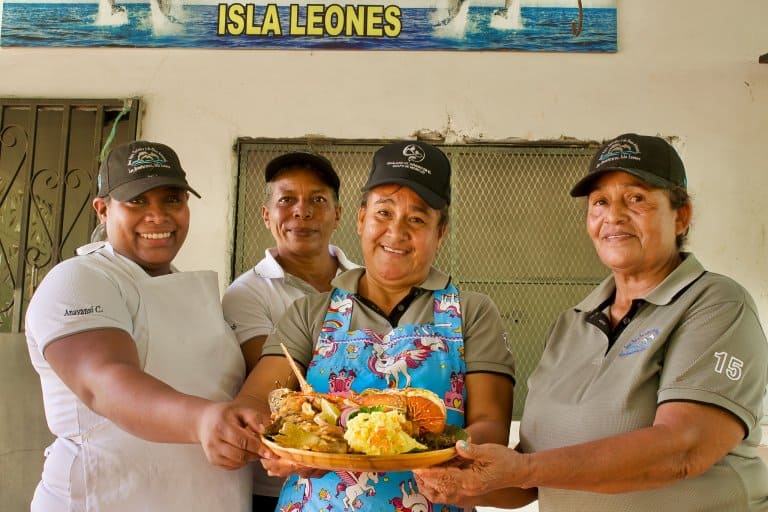
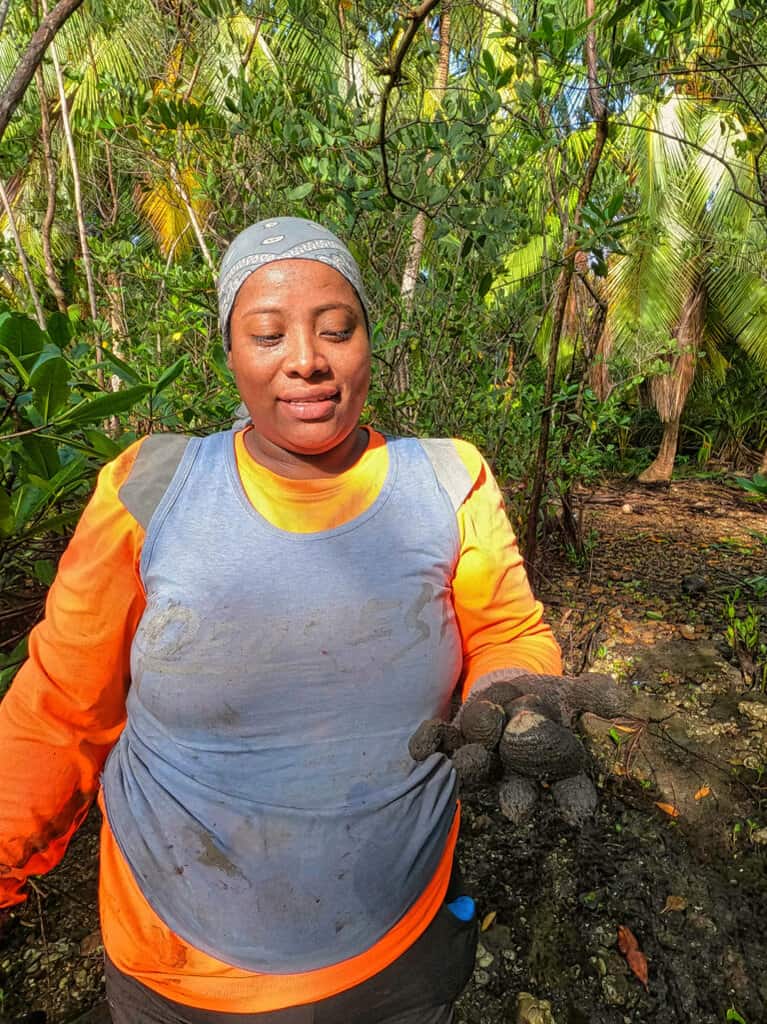
The Nursery’s Guardians
Puerto Mutis
Juan Serrano
For years, Juan made charcoal from the mangroves and fished sharks to sell their fins. Today he’s a tour guide and a protector of the mangroves: the same forest he used to cut down, he now looks after and shows to visitors.
How to Be Part of It
The best way to protect the nursery is to get to know it. Here are a few ways to experience it with us:
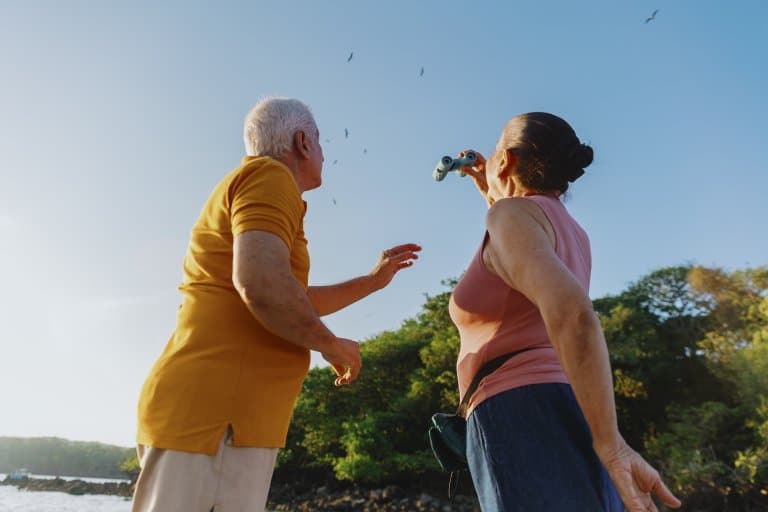
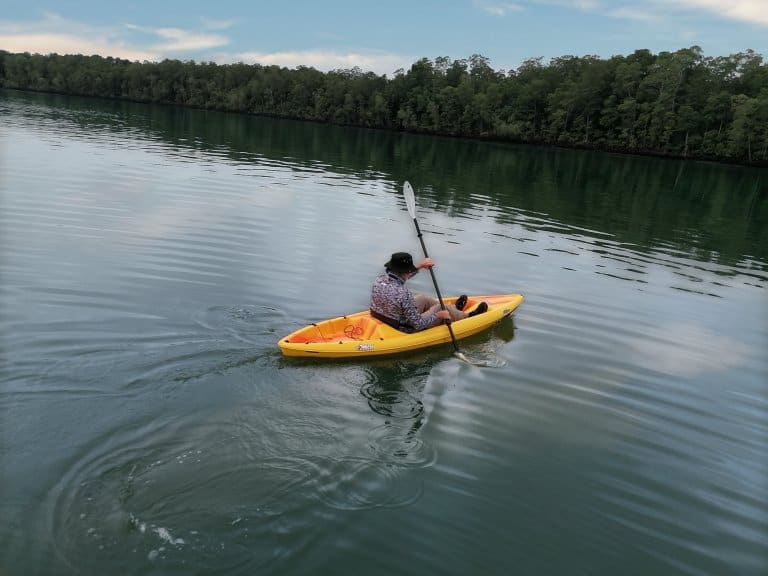
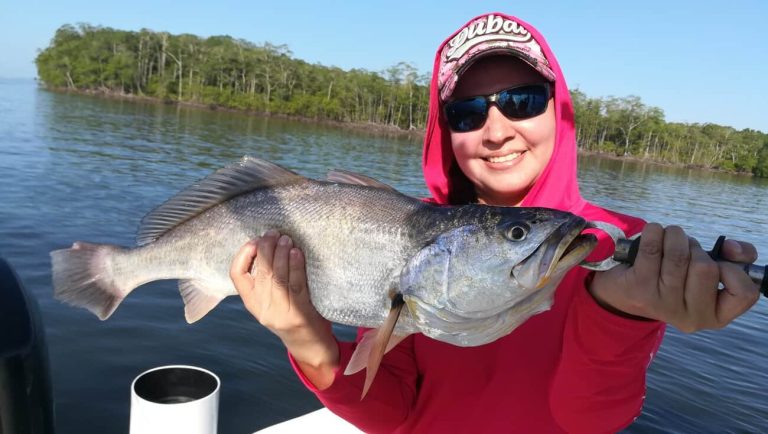
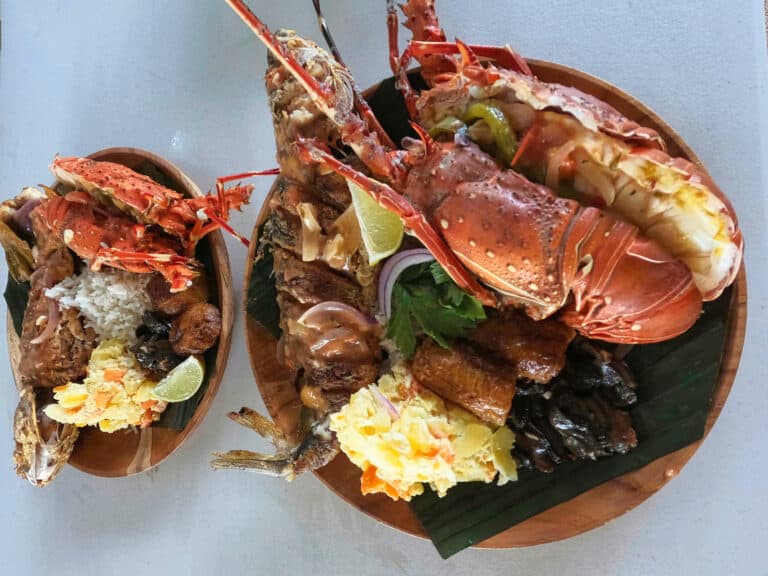
House rules in the nursery:
- Watch from a distance and keep it quiet, especially near nests and young animals.
- Don’t feed the wildlife.
- Use reef-safe sunscreen.
- If you fish, release the small ones and every grouper.
- No single-use plastics on board.
Nobody’s Waiting at the Dock (and That’s on Purpose)
Every trip is private and set up just for you: the captain checks the tide, loads the ice and plans the route before you arrive. That’s why every tour is by reservation only. We leave from Club Náutico de Veraguas in El Bongo, 5 minutes from Puerto Mutis.
Send us your date and we’ll have the boat ready.
Ever wondered how a tree survives in salt water, or why the mud smells like rotten eggs at low tide? We answer both, and eight more, in our 10 fun mangrove facts.
Want to meet the grown-ups too? Our estuary animals guide covers the fish, crabs, birds, crocodiles and dolphins of the Gulf of Montijo, species by species.
If you fish here, you can help the nursery too. Our guide to mangrove fishing explains why every grouper goes back, why the biggest snook are the mothers and how to release a fish so it survives.
The Gulf of Montijo Nursery: Frequently Asked Questions
Why are mangroves called the ocean’s nursery?
Because thousands of baby fish, shrimp and crabs are born and grow up among their roots, safe from predators. Mangroves cover just 0.1% of the planet, yet up to 80% of the world’s fish catch depends on them in some way.
Is the Gulf of Montijo a hammerhead shark nursery?
Yes. It’s the biggest hammerhead delivery room on Panama’s Pacific coast. Females come from Coiba and Cebaco to the south side of Isla Leones to give birth, and the pups stay in the gulf until they can head back out to sea.
What animals grow up in the Gulf of Montijo mangroves?
Hammerhead pups, groupers, snappers, snook, corvina, shrimp, crabs and black clams, plus hundreds of resident and migratory birds.
How is the Gulf of Montijo connected to Coiba?
Many fish and sea turtles grow up in the gulf and later move to Coiba’s reefs. Coiba, in turn, is part of the Eastern Tropical Pacific Marine Corridor along with Cocos, Malpelo and the Galapagos.
How can I visit the Gulf of Montijo mangroves?
On a private tour from Club Náutico de Veraguas in El Bongo, 5 minutes from Puerto Mutis. You can kayak, watch birds at sunrise, go fishing or have lunch with Las Aventureras. All tours are by reservation only.