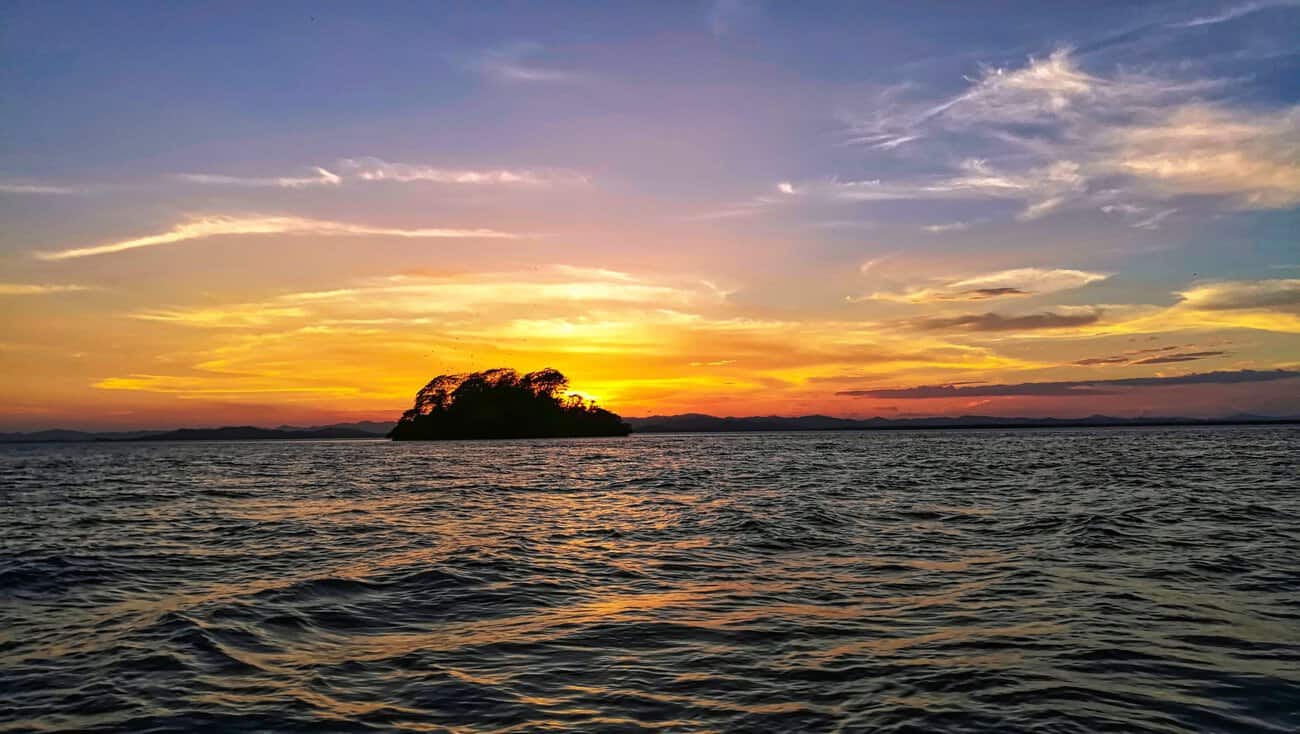


Food to Feed Your Soul · Isla Leones · Gulf of MontijoPrivate Boat · Up to 7 Guests
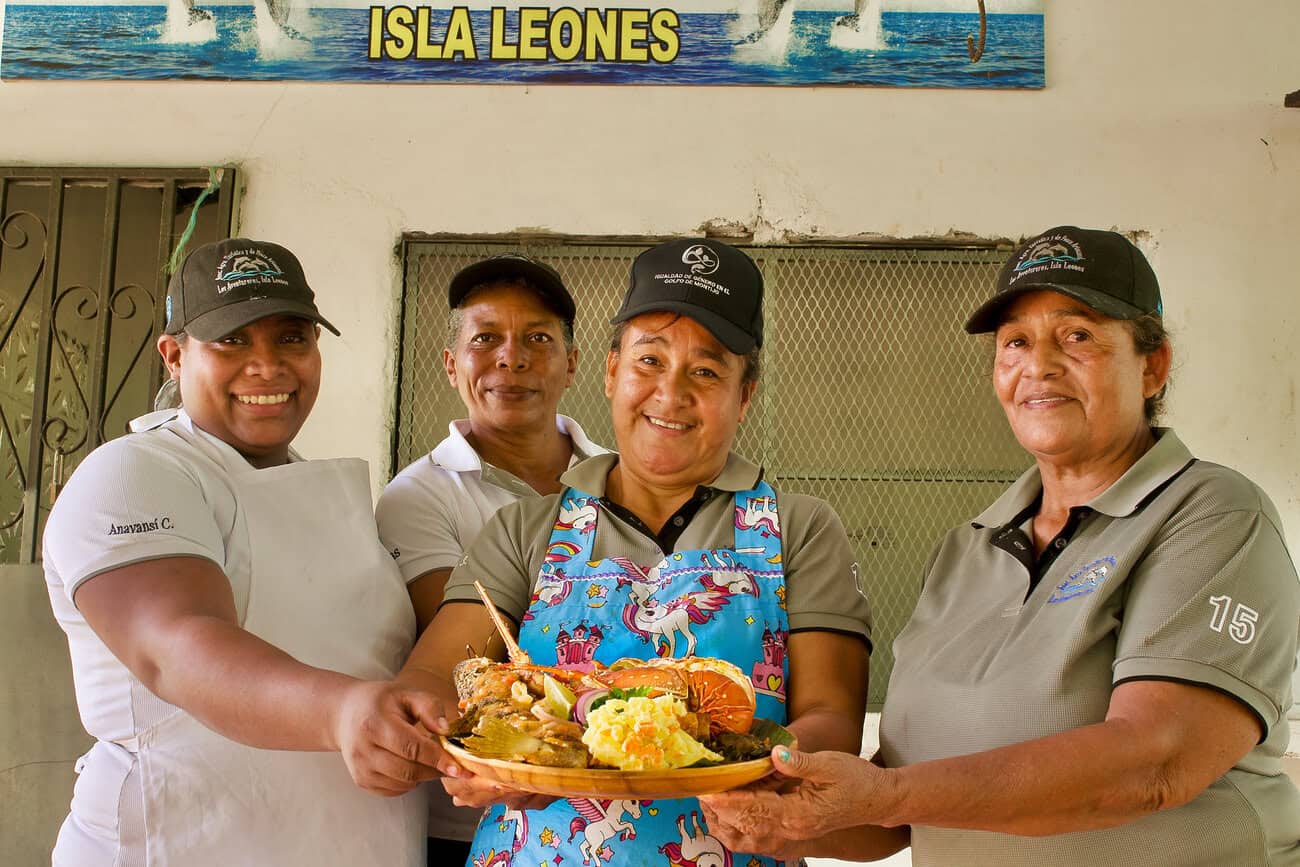
In the Gulf of Montijo, two things rule: the women and the tides. Spend a day with Las Aventureras of Isla Leones, fisherwomen who live from the gulf, and feed us from it, without emptying it.
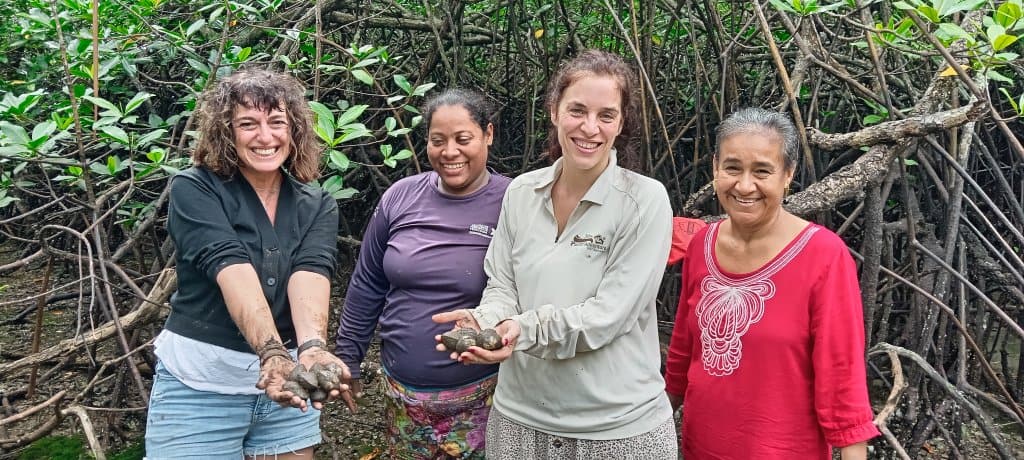
Low tide. The mangrove mud is warm and soft, and it swallows your feet up to the ankles. Next to you, one of Las Aventureras slides her hand between the roots, feels around for a second and pulls out a black clam. Then she looks at you: your turn.
A couple of hours later you’re sitting at her table on Isla Leones, squeezing lime over a ceviche made with the clams you dug yourself, while she tells you how the gulf feeds her family.
That’s this tour. Not a lunch stop, but a day with the fisherwomen of Isla Leones, in the middle of the Gulf of Montijo, Panama’s largest Ramsar wetland. A private boat for your group, from our home dock in El Bongo, 5 minutes from Puerto Mutis.
Las Aventureras del Golfo de Montijo are fisherwomen from Isla Leones. They fish, dig black clams in the mangroves and, for a few years now, also open their kitchen to travelers. Tourism gave them a new income without taking more from the gulf.
They’re part of something bigger: a network of women leaders across the gulf’s fishing and tourism communities, backed by MarViva and the European Union.
They do science, too. At the black clam monitoring center on Isla Leones, run with the University of Panama, they take the measurements researchers use to follow the health of black clams and lobsters. That work helped set closed seasons and minimum sizes.
The boat ride, the mangroves and the beach are included. The rest is up to you, and every activity is led by Las Aventureras.
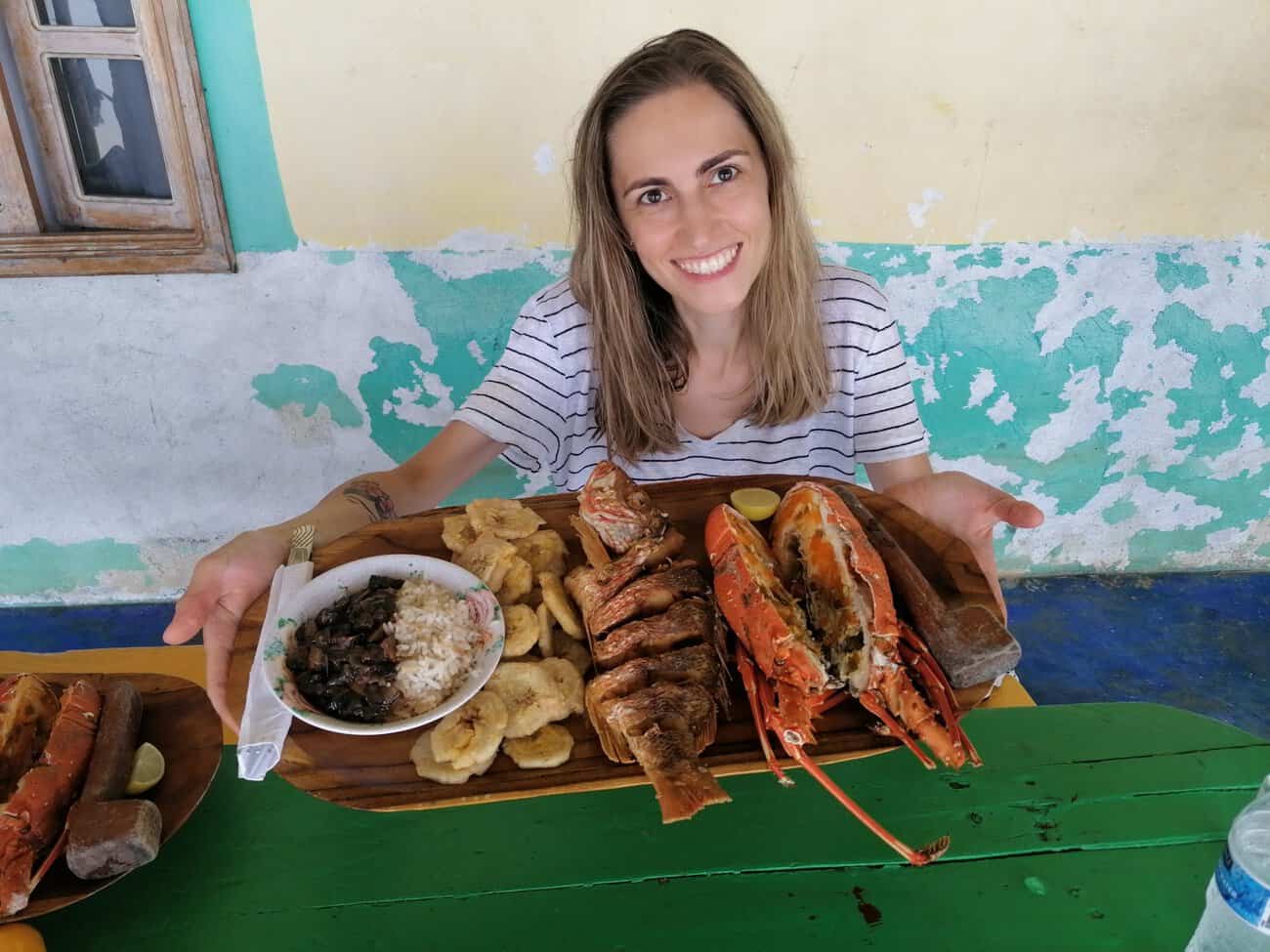
Lobster, crispy fried fish, coconut rice, plantains and black clams in coconut cream. Almost everything comes from around the island: from the sea to your table in less than 12 hours, never frozen.
Dig for black clams with Las Aventureras, barefoot in the mud between the mangrove roots. They’ll show you which ones to keep (5 cm or bigger) and which to leave to grow. Mud spa included.
Make a fresh black clam ceviche with the clams that just came out of the mangroves, using the tips and tricks of the island. Then sit down and eat what you made, together.
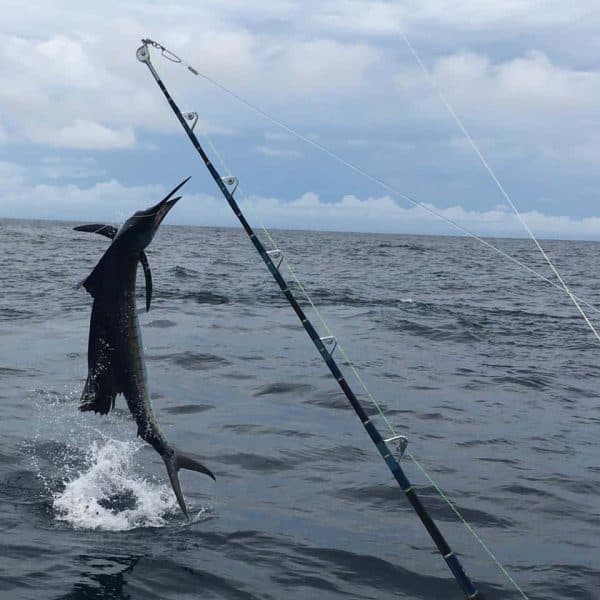
Pull up the lobster nets the way they do. Heads-up: this is real artisanal fishing. The gear is heavy, the work is hard, and people can get hurt. Recommended only for adults in good physical shape.
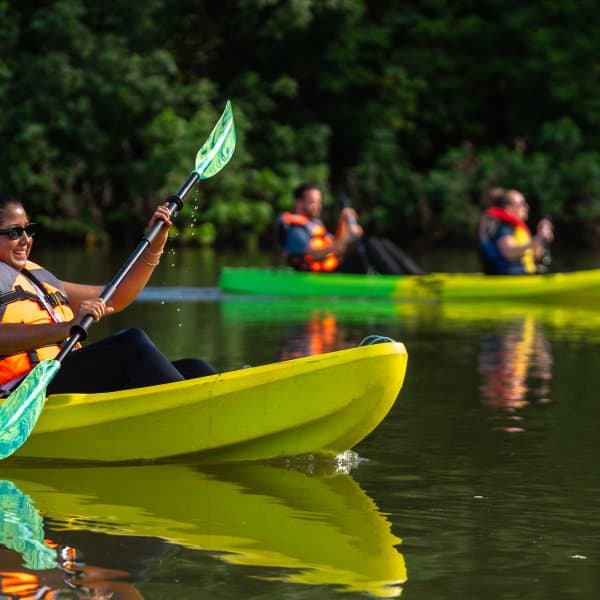
Cruise the channels of Panama’s largest Ramsar wetland. More than 80 bottlenose dolphins live in the gulf, and the mangroves are packed with herons, pelicans and frigatebirds.
A small island with a beach in the middle of the gulf, perfect for a swim before lunch. Out here, some beaches only show up when the tide goes out.
Sit at their table, hear their stories and leave knowing the names of the women who cooked for you.
Your lunch and activities stay on the island, and you can plant a mangrove before you go.
Zero-mile seafood, a ceviche you make yourself and lobster straight from the nets.
Mud, dolphins, a beach and a day with a fishing family. The best classroom in the gulf.
Here the day doesn’t follow the clock, it follows the moon. Twice a day the gulf breathes out: the water drops, the mud flats open up between the mangrove roots, and Las Aventureras head out to dig for black clams. That’s your window, from low to mid tide.
When the tide comes back in, it covers the whole clam area, so we use those hours to cruise, swim at Tres Islas or cook. And the lobster? Las Aventureras often set and pull their nets at night or before dawn, following the same tide, so everything is ready when you arrive.
Locals say it best: in the Gulf of Montijo, the women and the tides are in charge. We just check the tide table for your date and plan the day around it.
It’s the difference between eating seafood and knowing where it came from.
Lunch and hands-on activities are optional: book them with your tour so Las Aventureras can get ready.
Black clams and lobsters in the Gulf of Montijo have closed seasons and minimum sizes, and Las Aventureras respect them. They also take measurements at the black clam monitoring center run with the University of Panama, and share them with the researchers who follow the health of both species. That’s why some activities or dishes can change during a closed season: here, the gulf sets the menu.
Every dollar you spend on the island stays with the families who cook for you. This experience is part of the Meaningful Travel Map by Tourism Cares.
Clothes and water shoes you don’t mind getting muddy, a change of clothes, reef-safe sunscreen, a hat, insect repellent and your original passport. More tips in what to wear and bring on a boat tour.
Lobster fishing heads-up: it’s real artisanal fishing, not a show. The nets and gear are heavy and the work is physically demanding, so some people can get hurt lifting the gear or handling the catch. We recommend it only for adults in good physical shape; if you have back, knee or heart problems, choose the black clams or the cooking workshop instead.
Out here, the tide and the weather call the shots. Every morning your captain checks the tide, the wind and the sea, and plans the route and the activities around them. If the captain cancels before departure for safety, we reschedule, usually for the next day.
Our home dock at Club Náutico de Veraguas in El Bongo, 5 minutes from Puerto Mutis and about 30 minutes from Santiago.
From Panama City: about 4 hours to Santiago, plus half an hour to El Bongo.
We can leave from 6:00 am, but we suggest 6:30. The exact time depends on the tide: black clams can only be dug from low to mid tide, because at high tide the water covers the whole area. We’re back after 6 to 8 hours.
Want to watch the gulf wake up first? Some guests start with The Bird Awakening, our sunrise kayak tour on the San Pedro River, and then head to Isla Leones. The two tours are booked separately.
On Isla Leones, in the heart of the Gulf of Montijo, Las Aventureras serve a zero-mile lunch: lobster, crispy fried fish, coconut rice, plantains and black clams in coconut cream. Almost everything comes from around the island, from the sea to your table in less than 12 hours, never frozen. Optional: book it with your tour.
A group of fisherwomen from Isla Leones, in the Gulf of Montijo, who also run a community food business. They fish, dig black clams in the mangroves and cook for travelers, and they take part in the black clam monitoring with the University of Panama.
Isla Leones is in the middle of the Gulf of Montijo, on Panama’s Pacific coast in Veraguas. We take you there by private boat from Club Náutico de Veraguas in El Bongo, 5 minutes from Puerto Mutis.
$450 per boat, not per person, for up to 7 guests. The Adventurer’s Plate is $20 per person, black clam digging and the ceviche workshop are $15 each, lobster fishing is $20 per person and mangrove planting is free.
Yes. Kids love the boat ride, the dolphins, the beach and digging in the mud. We suggest ages 7 and up from experience, but it’s not a rule. Lobster fishing is only recommended for adults in good physical shape.
It’s real artisanal fishing, not a show. The gear is heavy and the work is physically demanding, so some people can get hurt. We recommend it only for adults in good physical shape, and we’ll suggest the black clams or the ceviche workshop if you have any doubt.
From low to mid tide. At high tide the water covers the whole area, so we plan your departure time around the tide. Send us your dates and we’ll check them.
Yes. Both have closed seasons and minimum sizes, and Las Aventureras respect them. They also share their measurements with researchers who follow the health of these species, so some activities or dishes can change during a closed season.
It’s a zero-mile plate: almost everything comes from around the island and goes from the sea to your table in less than 12 hours, never frozen.
Yes, and it’s free. Spend half an hour with Las Aventureras planting mangrove seedlings or caring for the nursery, and leave a legacy in the Gulf of Montijo.
Yes. From the same dock you can visit Cebaco Island, go fishing in the Gulf of Montijo or head out to Coiba National Park. Ask us and we’ll put the days together.
Meet your captain at Club Náutico de Veraguas. The time can shift a little with the tide.
Cruise down the San Pedro River into the gulf. More than 80 bottlenose dolphins live here, and the mangroves are a true bird hotel.
A swim and a walk on the beach, tide permitting.
Dig in the mangrove mud with Las Aventureras, then turn your clams into ceviche.
The Adventurer’s Plate and plenty of stories at the table of Las Aventureras.
Muddy feet, a full belly and new friends.
The Gulf of Montijo is Panama’s largest Ramsar wetland: around 97,000 hectares and over 10% of the country’s mangroves. The route changes with the tide.
Winding channels where baby fish hide, dolphins hunt and herons stand on the roots. Why it’s called the ocean’s nursery.
Three small islands with a beach for a swim, when the tide allows.
The heart of the day: their kitchen, their mangroves and their stories.
Help Las Aventureras plant mangrove seedlings or care for the nursery. It keeps the ocean’s nursery growing after you leave.
See how the women of Isla Leones measure black clams for the University of Panama, and why closed seasons matter.
Your lunch and activities go straight to the families of Isla Leones. No middlemen.
No single-use plastics, reef-safe sunscreen, no feeding the wildlife and respect for the closed seasons.