

UNESCO World Heritage SitePrivate Boat · Your Group Only
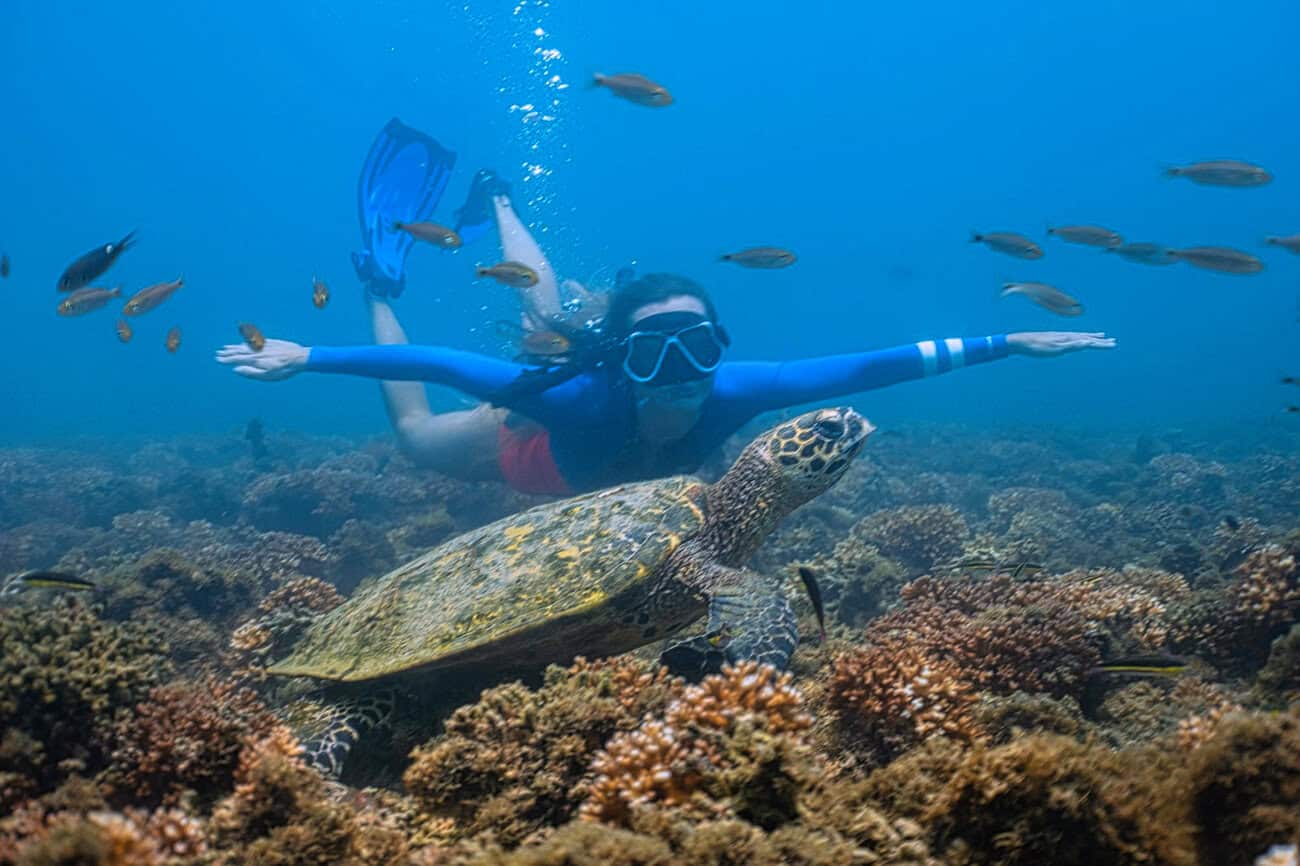
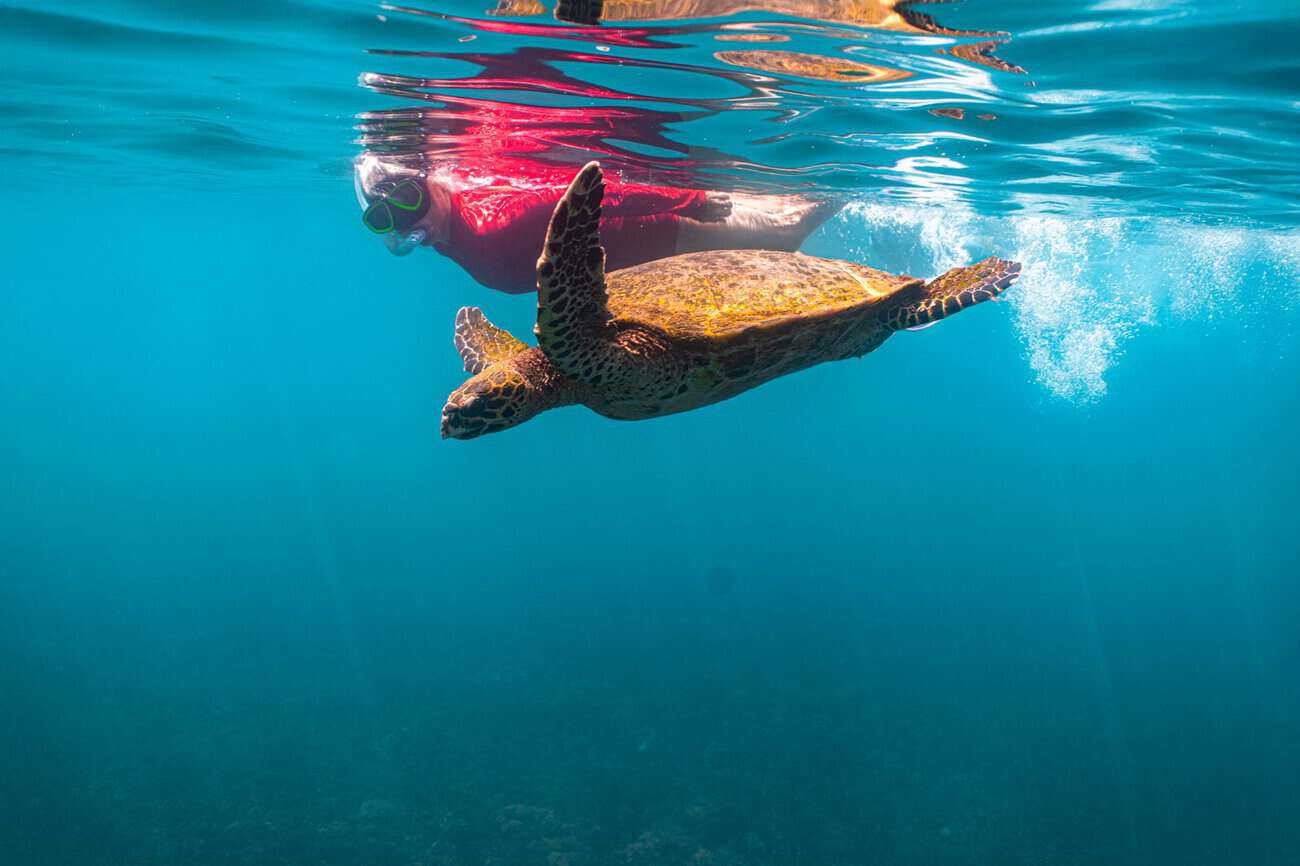
Sea turtles, dolphins and a living aquarium of rainbow reef fish, with a bilingual guide and the whole boat to yourselves.
Coiba National Park is one of the last truly wild places on Panama’s Pacific coast, and this private tour takes you there on your own boat, with your own bilingual tour guide.
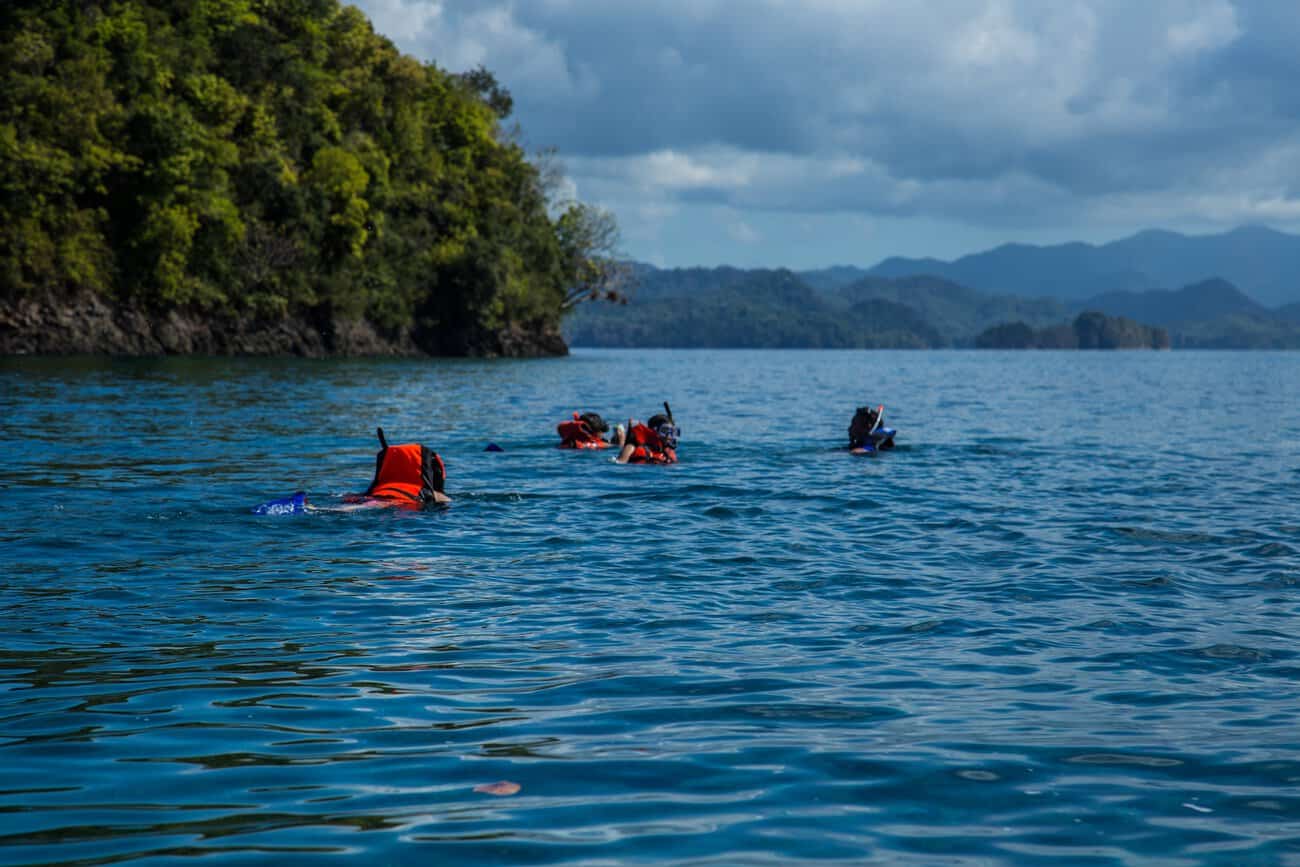
You can leave from Santa Catalina, the closest town to the park, or from our private home dock at the Club Náutico de Veraguas in El Bongo, crossing the Gulf of Montijo, Panama’s largest RAMSAR wetland. Through the day you snorkel some of Coiba’s best reefs and relax on a white-sand beach, with stops chosen by the tide and by what your group enjoys most. The boat is yours alone, so your guide adapts every stop to you, whether you are first-time snorkelers or strong swimmers who want more time in the water.
For almost a century, from 1919 to 2004, Coiba Island was Panama’s most feared and deadly penal colony. Few people were allowed near it, and that isolation is the reason around 80% of the island is still untouched. In 2005 UNESCO declared Coiba National Park a World Heritage Site: 38 islands and islets, the largest island on the Pacific coast of Central America, and a sea that is home to more than 800 fish species, 33 shark species and 23 kinds of whales and dolphins, around one of the largest reef areas in the Eastern Tropical Pacific.
In 2021 the Marine Conservation Institute named Coiba a “Blue Spark,” recognizing it among the ocean’s best-protected marine parks.
Coiba sits in the same marine corridor as Cocos Island, Malpelo and the Galapagos. Nutrient-rich currents feed its reefs, which is why you can see so much life in shallow water: sea turtles resting on the coral, reef sharks patrolling the rocky points, and schools of fish so thick they block the light.
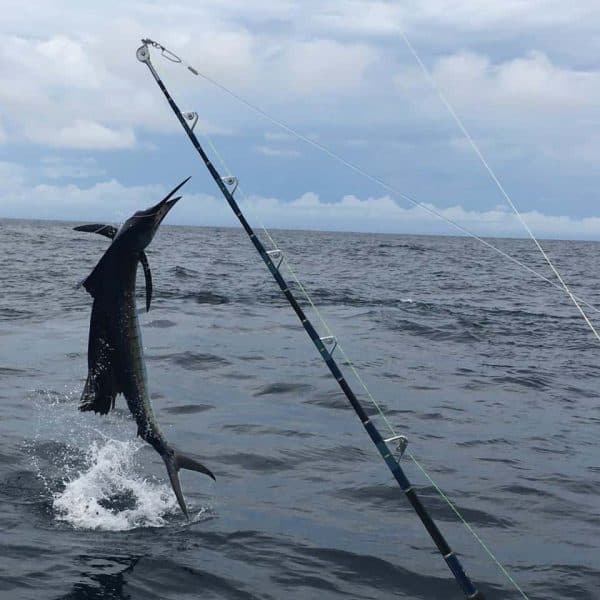
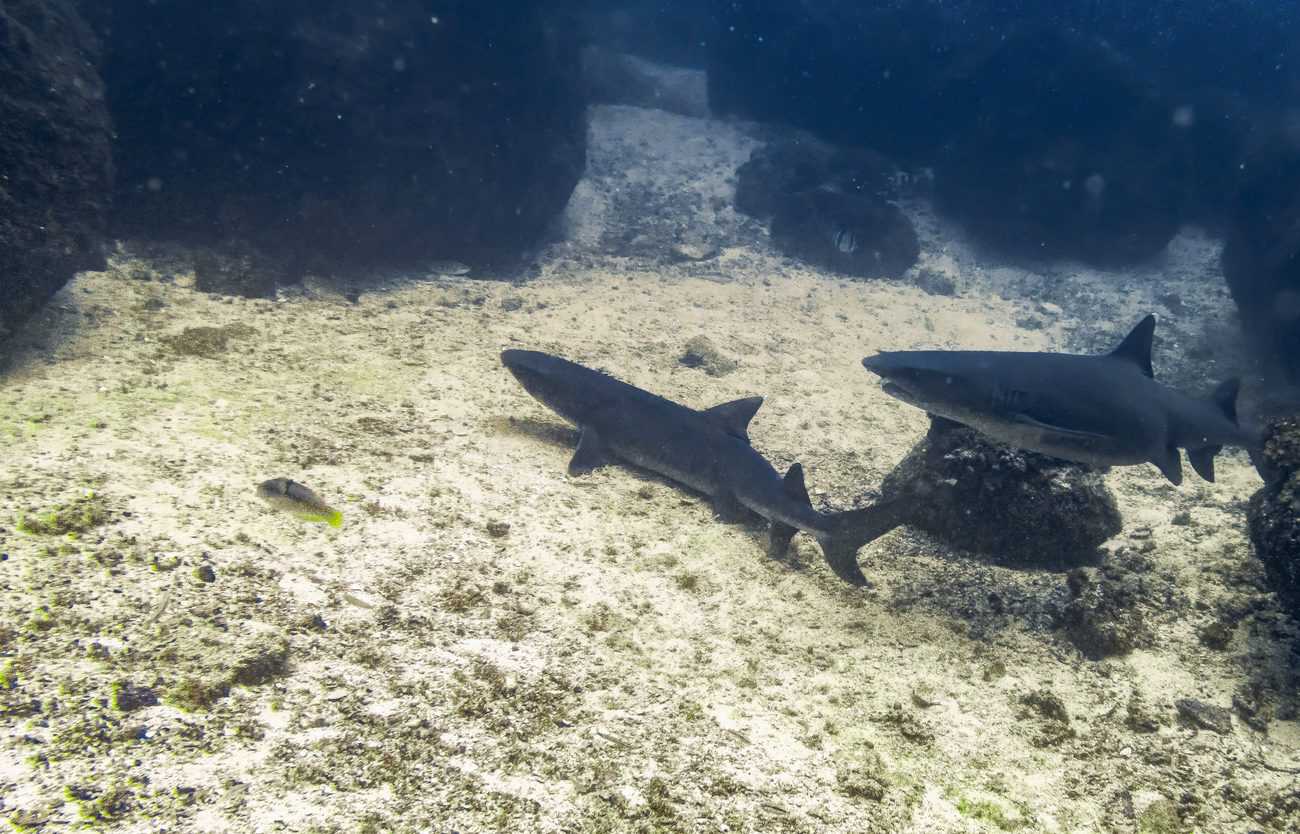
Coiba is one of the best places in Panama to see big marine life without diving. What you meet depends on the day, the tide and the visibility, but these are the regulars on our trips. And now and then, a white-tip reef shark napping on the sand: they couldn’t care less about us, and we’re definitely not on their menu. Planning around the seasons? Check our wildlife calendar, month by month.
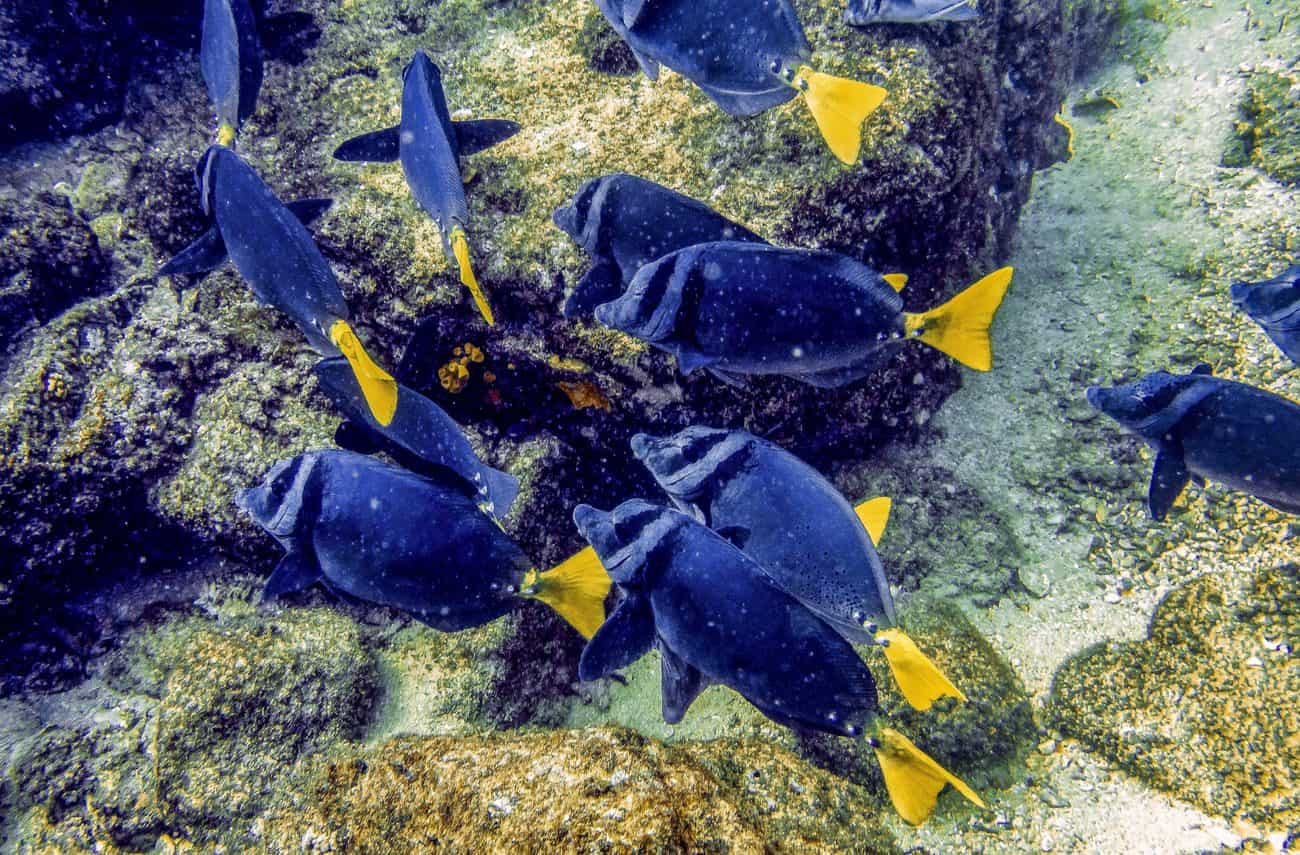
Angelfish, Moorish idols, parrotfish and puffers in every color of the rainbow.
Mothers and calves, often spotted on the way to the park. Hooked? Join our whale watching tour.
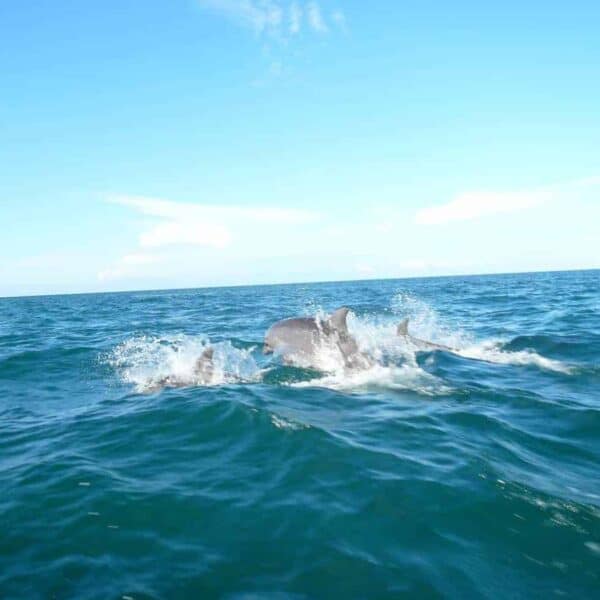
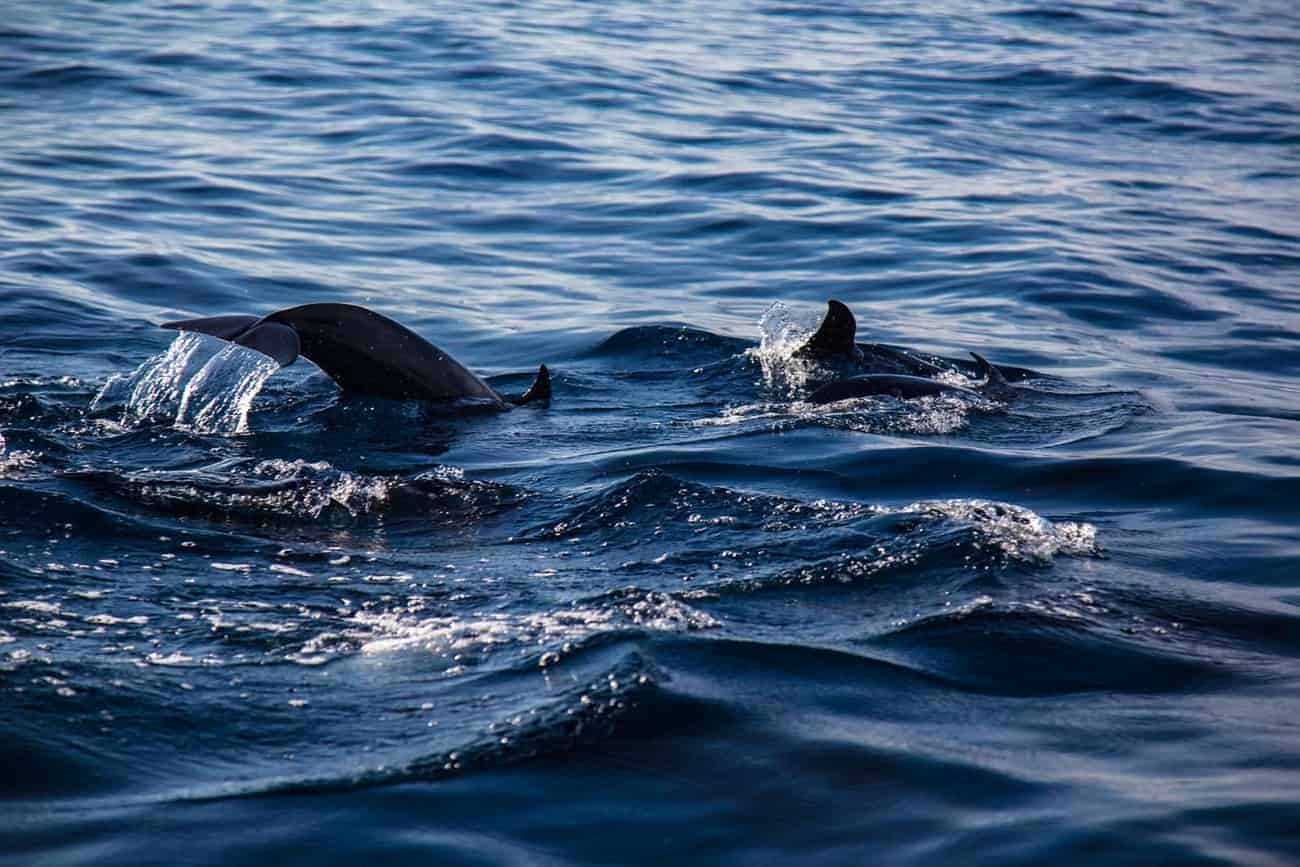
Often riding along on the boat ride to the islands.
Snappers, jacks and surgeonfish by the hundreds, right under your mask.
The biggest fish in the sea, seen some years with a little luck.
Coiba is as wild as Panama gets: sea turtles on the reef, a living aquarium of reef fish, and whales and dolphins on the way.
The boat is only yours. Kids from 7 get their own gear and life jackets, and the day bends around them.
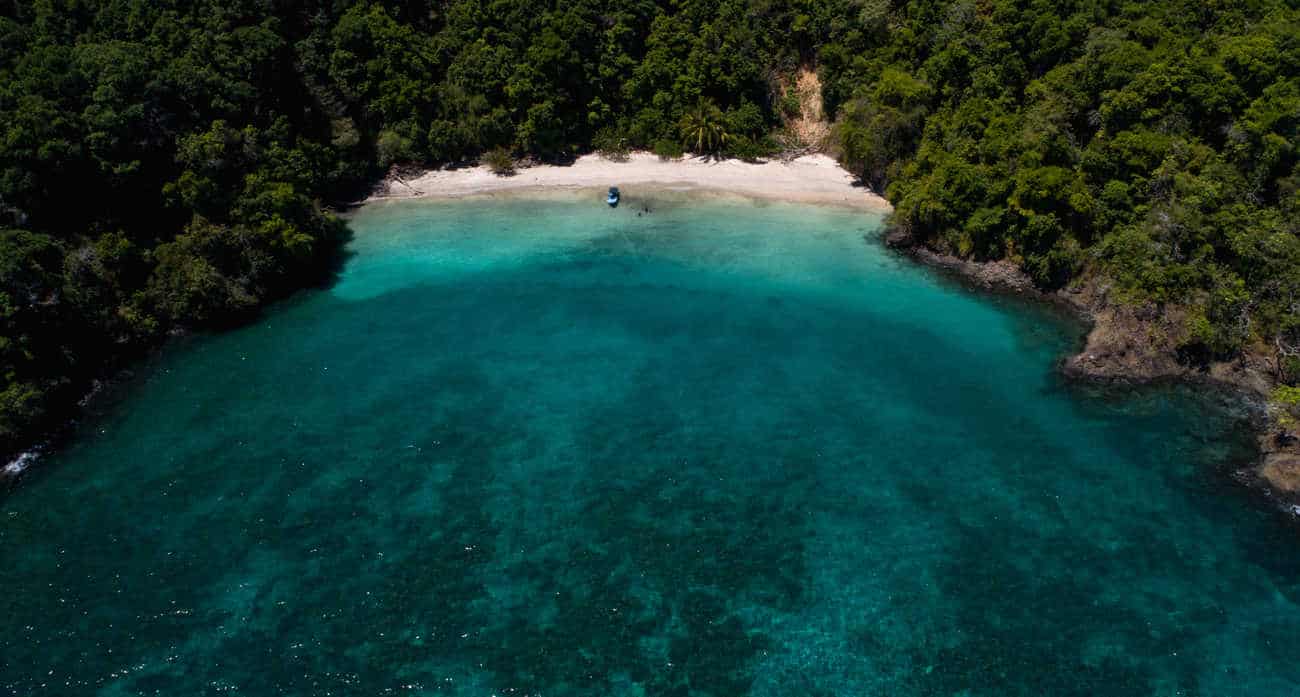
Turquoise water, empty beaches and wild jungle. The only schedule is the tide.
You choose the time, the stops and how long to stay, with local guides who know every corner.
We start in the calm, shallow turquoise water of Rancheria or Isla Tortuga, with your guide right next to you all the way. And if the reef isn’t your thing, swap it for a jungle trail or a lazy afternoon on a white-sand beach.
It’s the difference between visiting Coiba and having it to yourselves.
The water toys are included, but they only come aboard if you ask for them when you book. We keep the boat light, so just tell us which ones your group wants.
Coiba is still wild because it was left alone for almost a century, and we want it to stay that way. Disposable plastics stay off our boat, and every piece of trash comes back with us to the mainland. We ask you to wear reef-safe sunscreen, and in the water your guide shows you how to enjoy sea turtles and reef sharks without touching or chasing them. When a spot is crowded with boats, we move on: better for you and better for the reef. Your park fee goes to MiAmbiente, the agency that manages and protects Coiba National Park.
Long-sleeve swim shirt, biodegradable sunscreen, water shoes, a light raincoat, and your physical passport in a waterproof case. Disposable plastics are banned in the park; bring your reusable water bottle.
Out here, Mother Nature calls the shots. Every morning your captain and guide look at the tides, the wind and the water clarity, then plan the stops with you around what your group feels like: more snorkeling, more beach, a hike on Coiba, or simply kicking back and doing nothing at all. One trip might stop at Playa Gambute, home of the ranger station and the legend of Tito, Coiba’s famous crocodile; the next might trade it for an extra snorkel spot where the sea turtles are out in force. If another boat is already at a spot, we move on to the next one, so you get the reef or the beach all to yourselves. Think of the highlights above as a menu, not a fixed script: you’ll always get island hopping, snorkeling, a beach lunch and your own private boat, just never the exact same route twice.
And what about Granito de Oro? It’s one of the most beautiful spots in Coiba National Park, and still the one everybody searches for. It has been closed to visitors since the pandemic, and it will stay closed for years to come so its reef can catch its breath. The good news: it’s working. We’ve filmed it three times since the closure, and the reef is bursting with life. The silver lining for you: when scientists ranked Coiba’s beaches for scenery in 2024, Granito de Oro came in second, and first place went to Isla Coco, in the Coco Islands, one of our favorite lunch spots.
New to the area? Read How to Get to Coiba.
Set with you. We recommend 6:30 am from El Bongo or 7:30 am from Santa Catalina to make the most of your day: you’ll have the park to yourselves for the first hours and enjoy the sunniest part of the day.
One day shows you Coiba; two days let you slow down: more reefs, a longer hike, and time for the spots a day trip can’t reach. Both days are planned with you, around your interests, the weather, and the tides, like every tour we run.
Included: Private boat, captain, and bilingual guide for both days
Not included: Lodging and meals, booked separately
Where you sleep: On the islands, at Bahía Onda or Isla Simca
Your plan: A custom itinerary for each day
Plan Your Two Days on WhatsApp
No. Snorkeling is about relaxing and discovering, not effort: you float on the surface and watch the reef and the life below. Your guide gives you a short lesson and all the gear, and we carry life jackets for everyone, so even hesitant swimmers can enjoy it. In the water, your guide stays with the group at all times, and the captain follows you closely with the boat.
Snorkeling is not recommended during pregnancy or for people with heart or respiratory conditions or high blood pressure. If in doubt, please check with your doctor before booking.
Usually 2 to 4, depending on the tide and on your group. At high tide some beaches disappear, and at low tide the boat can’t get close to others, so your captain plans the route on the day. The most visited are Canales de Afuera and Canalita, Rancheria (Coibita), Coiba Island itself and the Coco Islands. Granito de Oro is closed to visitors so its reef can recover.
Very likely, though nature never comes with a guarantee. Sea turtles are seen on almost every trip, and white-tip reef sharks often are. Reef sharks are calm and harmless to snorkelers; your guide will tell you where to look and how to keep a respectful distance.
It is not included in the tour price, and it can’t be paid at the park: each guest pays it online in advance on the MiAmbiente reservation site, and we send you the link when you book. Fees: US$20 for foreign visitors, US$5 for Panamanian nationals and residents, and US$2.50 for students. Children under 12 enter free.
Yes. The boat, the captain and your bilingual guide are for your group only, up to 6 guests, and the price is per boat, not per person. Because for us, it’s not just where you go, it’s who you go with.
Up to 6 adults, comfortably seated, with room to move around and stretch your legs throughout the trip. Traveling with a bigger group? We can run two boats together.
Your safety comes first, and the weather is the one thing no one can control. Panama is one of the rainiest countries in the world, and even the best forecasts can be wrong. Your captain checks the sea conditions before departure. If they aren’t safe, we move your tour to a new date, usually the next day, at no extra cost. Once the tour has started, nature can still change its mind. If it does, your captain will adjust the route, the timing or both, together with you, to keep everyone safe. In that case, we don’t offer refunds or new dates. For other changes or cancellations, see our booking terms.
Yes. We recommend it from 7 years old: from that age, kids usually enjoy the boat ride and the snorkeling the most. It’s a recommendation based on our experience, not a rule. Younger children are welcome at their parents’ discretion and responsibility. We carry kids’ snorkel gear and life jackets, and children under 12 don’t pay the park fee. Coming with little ones? Tell us their ages when you book, and we’ll plan the day around them.
About 2 h 15 min each way from El Bongo, crossing the Gulf of Montijo, or about 1 h 15 min from Santa Catalina.
Yes. Santa Catalina is our second departure point and the closest town to Coiba, about 1 h 15 min by boat. Tell us where you’re staying when you book. If you’re at Catalina’s Hideaway, Hotel Hibiscus Garden at Bliss Beach or Lago Bay, we can pick you up and drop you off by boat right in front of your hotel, tide permitting and arranged in advance.
Lunch isn’t included, so you can choose what suits your group. Bring your own, or add a beach barbecue: we grill it on a quiet beach in the park, whichever the tide allows and has no one else around.
The first four include a courtesy drink. Please confirm your choice at least one week before your tour. Park rules ban disposable plastics, foam containers, and even snack bags, so please pack any food in reusable containers and take your trash back with you. We carry water and ice for everyone: bring a reusable bottle to refill.
A long-sleeve shirt to swim in (it stops sunburn and protects you from anything in the water that might sting), biodegradable sunscreen to protect the corals, shoes you can get wet that don’t slip, a light raincoat, and a reusable water bottle. Bring your physical passport in a waterproof case and a dry bag for your phone. If you get seasick easily, take your pill before we sail. Insect repellent is useful on land, but don’t mix it with sunscreen on your skin.
Yes. You can snorkel in the morning and walk one of the short trails at the Playa Gambute ranger station after lunch.
Yes, with our two-day option ($1,700 per boat). You sleep on the islands, at Bahía Onda or Isla Simca, and we plan both days around you. Lodging and meals are booked separately; the price covers the private boat, captain, and tour guide.
Yes. Coiba is one of Panama’s best dive destinations, with sites like Canal de las Mantas and Wahoo Rock, famous for giant manta rays and, in season, whale sharks. Our own tours are snorkeling and island hopping, but we can arrange a dive day with a certified partner on request: tell us your certification level when you contact us.
Set with you. We recommend 6:30 am from El Bongo or 7:30 am from Santa Catalina to make the most of your day and have the park to yourselves for the first hours.
About 2 h 15 min from El Bongo or 1 h 15 min from Santa Catalina. Dolphins are often seen on the way, and humpback whales usually from July to October.
Your captain and guide plan 2 to 4 stops with you, according to the tide and your group: coral reefs, white-sand beaches, and, if you like, a jungle trail on Coiba Island.
We stop on a white-sand beach with no one else around, whichever the tide allows. Bring your own lunch in reusable containers, or add our beach barbecue when you book: Premium Beach BBQ, burgers, grilled skewers, or vegetarian and vegan options made to your taste, options from $10 per person. Prefer to grill your own? Bring your meat, chicken, or pork, and we will cook it for you, free.
We know saying goodbye to Coiba isn’t easy. We head back mid to late afternoon, depending on the stops you chose, with salty hair, a camera full of sea turtles, and, often, dolphins for company on the way. And don’t worry: Coiba always leaves you an excuse to come back, whether it’s the humpback whales from July to October or a second day on the islands.
Conditions change with the sea and the tide, so your guide picks the spots that are safe and fun for your group each day. Granito de Oro, one of the most beautiful spots in Coiba National Park, is closed to visitors for conservation so its reef can recover. These are the places we go instead.
Type: Shallow coral gardens and rocky points
Depth: Shallow
Current: Varies with the tide
You’ll see: Colorful reef fish, sea turtles and, now and then, a sleepy white-tip reef shark
Type: Sheltered beach and a coral islet
Depth: Shallow
Current: Calm and sheltered
You’ll see: Sea turtles, rays and reef fish. A favorite spot for our beach BBQ
Type: Rocky reef with hard corals
Depth: 1 to 6 m
Current: Usually mild
You’ll see: Hawksbill sea turtles, king angelfish, Moorish idols, parrotfish and puffers
Type: Sandy bottom and coral walls, north of Rancheria
Depth: Shallow to deep
Current: From calm to river-like, depending on sea and tide
You’ll see: Big schools of snappers and jacks, moray eels and green sea turtles
Type: Submerged seamount
Depth: Open water
Current: Open currents, more water movement
You’ll see: Rock fish congregations, crustaceans and, with good visibility, larger passing species
Type: A rock that breaks the surface and drops to about 28 m
Depth: Deep
Current: Usually strong, flowing east
You’ll see: Mostly a dive site: schools of jacks and snappers, eagle rays, and whale sharks in season
Concrete steps, under 200 m
Reached by boat, almost facing Granito de Oro
About 700 m of steep dirt path
Across the island from Gambute to the Santa Cruz inlet (4.5 km)