

Pedasi · Tuna Coast · Isla IguanaPrivate Boat · Up to 4 Anglers
The world learned how yellowfin tuna are born just down the road from your boat. Half day, full day or an all-inclusive fishing tour on Panama’s Tuna Coast.
Pedasi is a colonial fishing town on the southeast tip of the Azuero Peninsula, and the gateway to the stretch of Pacific known as the Tuna Coast.
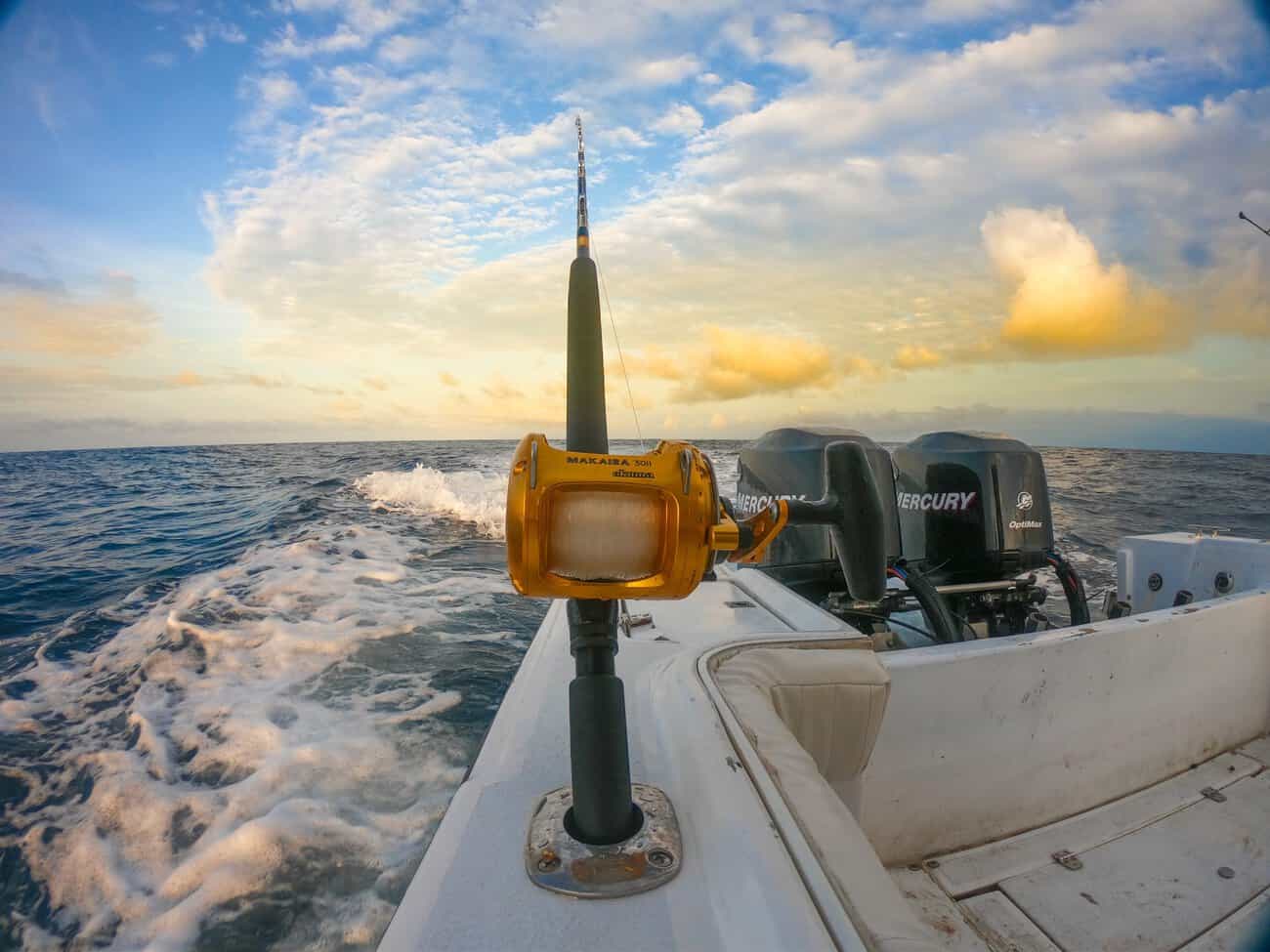
We leave from Playa Arenal, where the local pangas launch every morning, on a private boat with a local captain and mate who fish these waters all year. Within minutes you’re on rocky points, reefs and offshore marks where roosterfish, cubera, tuna, wahoo and mahi feed.
There are few sport fishing boats here, no big marinas and plenty of room. Choose a half day, a full day, or our Pedasi Fishing All-Inclusive Tour, with two nights in town.
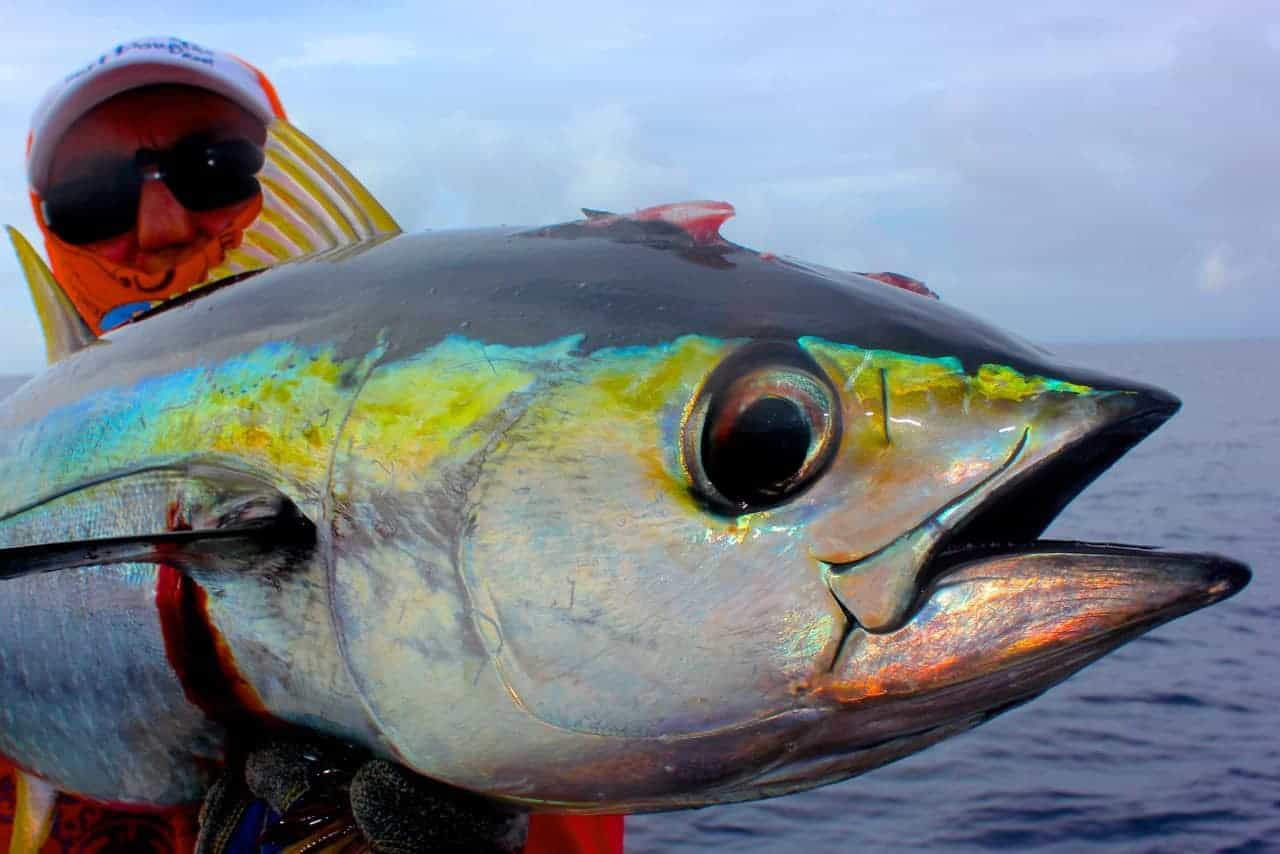
Just down the coast from Pedasi sits the Achotines Laboratory, run by the Inter-American Tropical Tuna Commission. In October 1996, yellowfin tuna caught in local waters and kept in a large land-based tank began spawning, and kept on spawning: the first time anywhere in the world that yellowfin had spawned steadily on land.
Since then, the lab has collected more than two billion fertilized eggs to study how tuna grow in their first weeks of life. Much of what scientists know about baby yellowfin started here.
So when you fight a yellowfin off Pedasi, you’re fishing the same waters that taught the world how this fish is born.
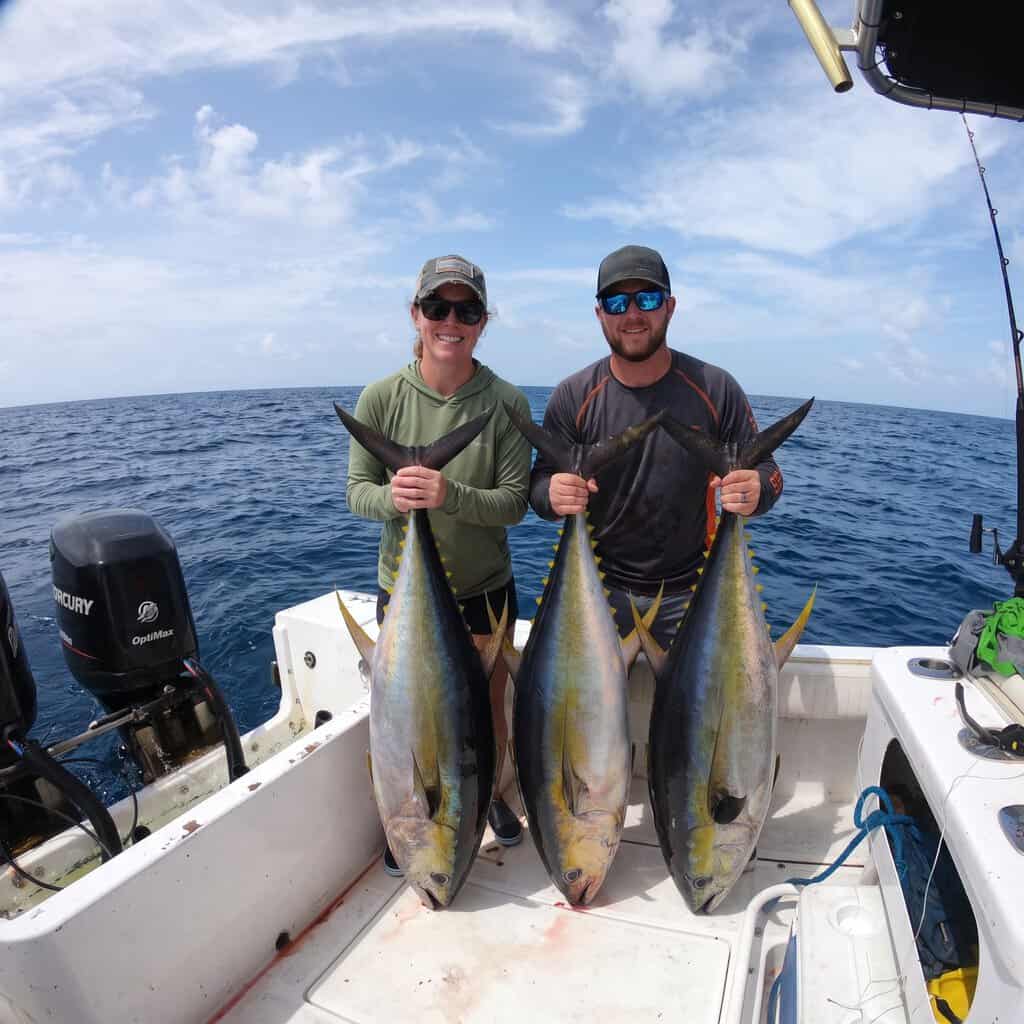
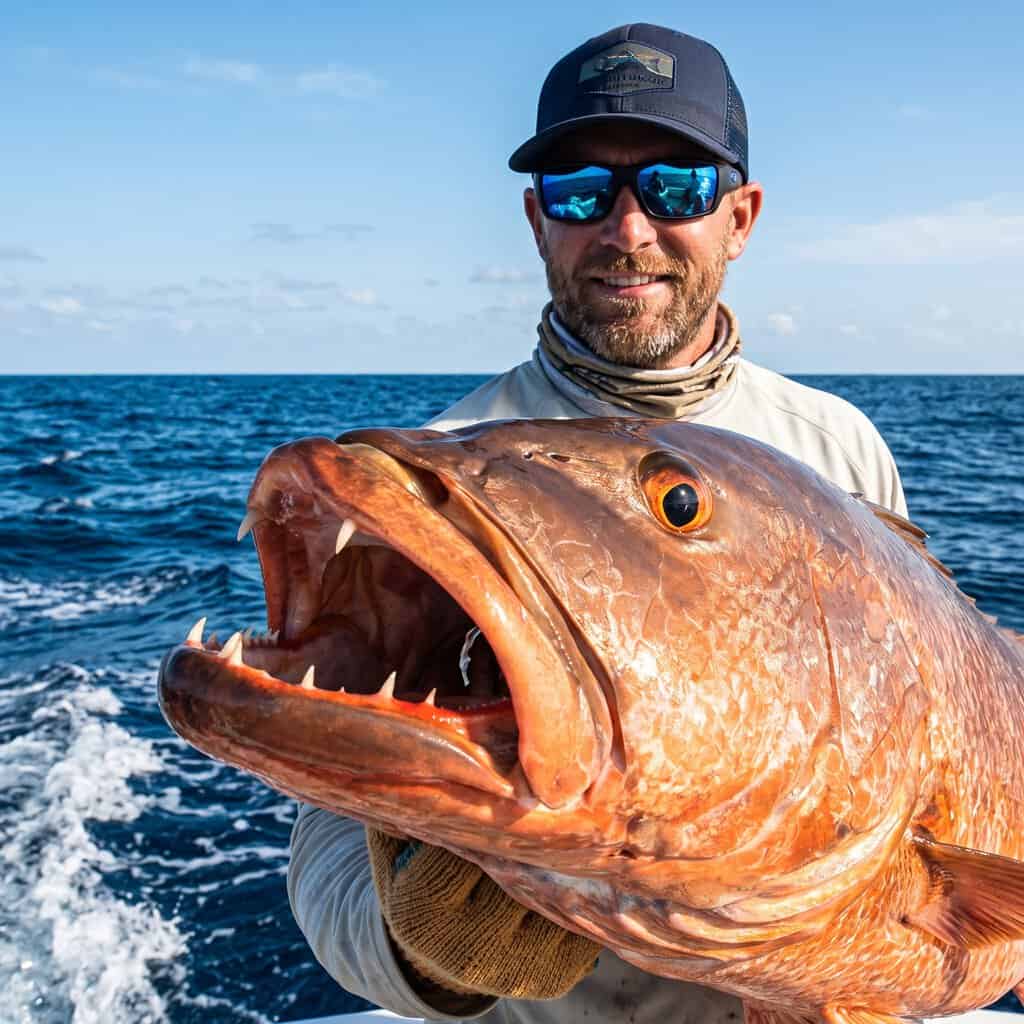
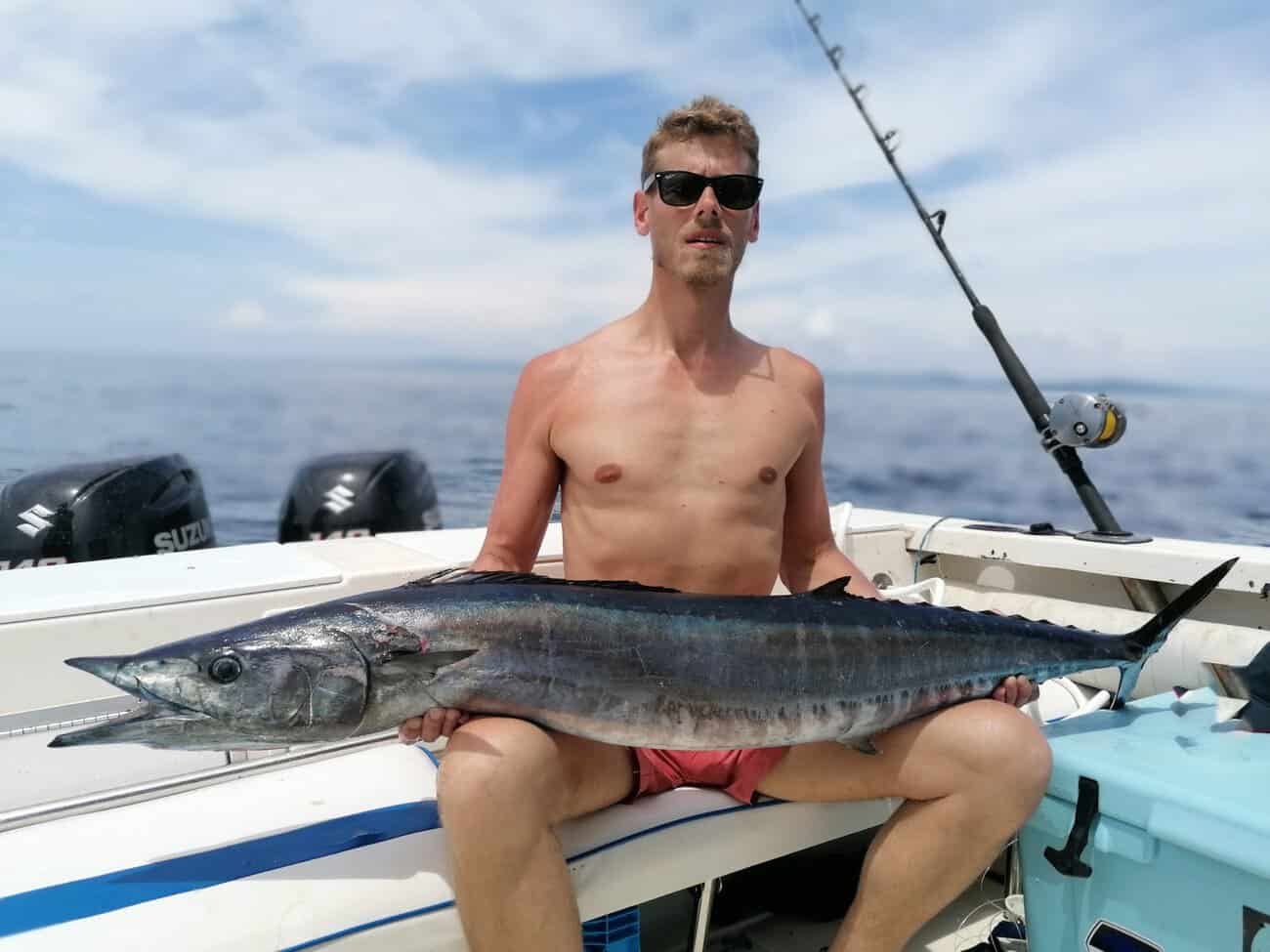
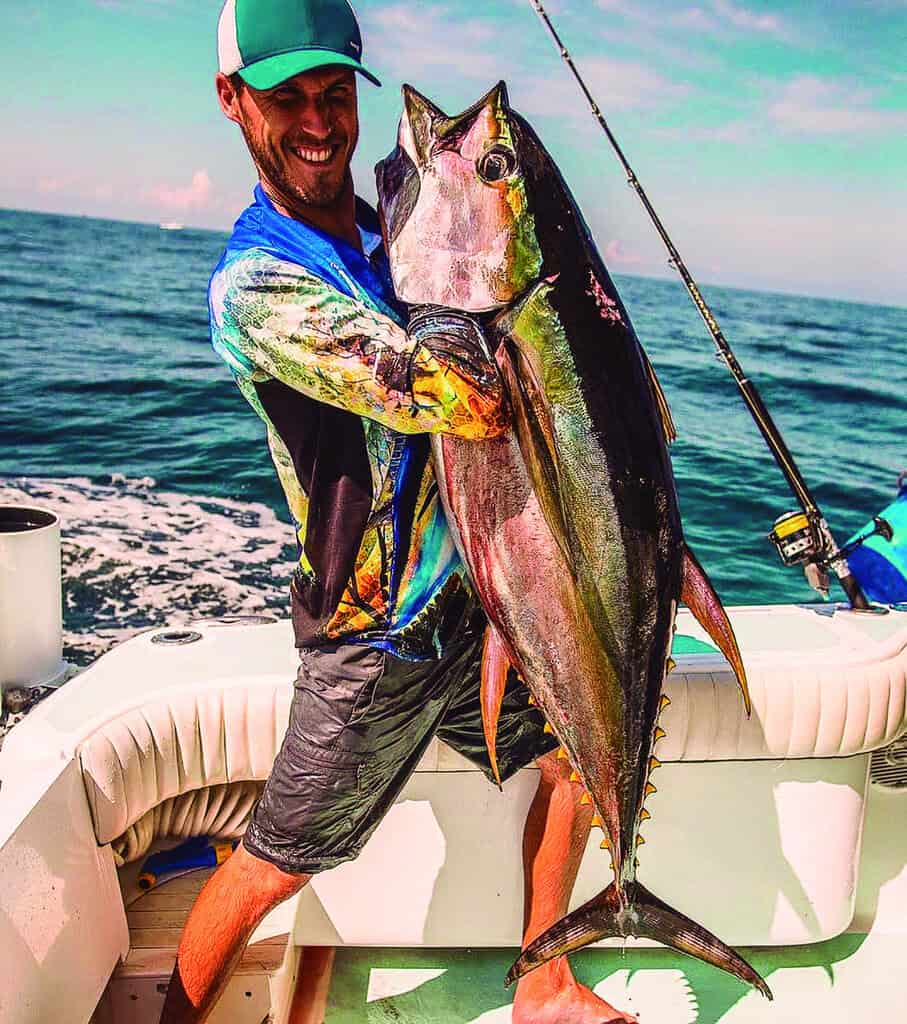
Six fish you might meet off Pedasi, from the beach to the blue water.
Local anglers talk about yellowfin around 350 lb caught off this coast, and in the green season the tuna move closer to shore.
Wahoo usually hunt alone or in small, loose groups rather than tight schools, chasing fish and squid. Isla Iguana is the classic place to troll for one.
Young mahi travel in schools of up to 50, while the big ones cruise alone or in pairs, often under anything floating.
From January to April, north winds push baitfish onto the beaches, and roosterfish follow them right into the surf and the rocky points.
The moment it’s hooked, a cubera bolts straight for its cave in the rocks. Stop it in the first seconds or say goodbye. Every one goes back.
In 2010, a black marlin of about 400 lb ran right through a fleet of tourist pangas off Los Frailes, and everyone cheered when it was released.
September and October are the slowest months. Every season is different; your captain will tell you what’s biting.
A morning on the reefs and rocky points near Pedasi: roosterfish, snapper, jacks and, if the bite is close, tuna.
Time to run to Isla Iguana, Los Frailes or the offshore marks and chase tuna, wahoo and mahi, then work the points on the way back.
Arrive the night before, fish early, sleep another night and head home after breakfast on day three. A room at Pedasi Paradise hotel with breakfast, plus lunch and dinner.
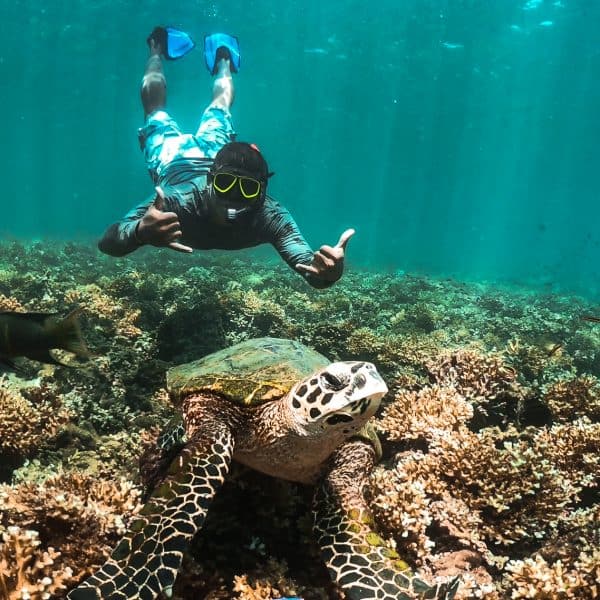
Between 1941 and 1952, Isla Iguana was a practice target for U.S. pilots, and its forest was almost wiped out. Today it’s a wildlife refuge (since 1981) of about 53 hectares, with dry forest, Panama’s largest nesting colony of magnificent frigatebirds (more than 5,000) and one of the best-preserved coral reefs in the Gulf of Panama, with over 17 coral species and more than 300 kinds of fish.
From July to October, humpback whales pass close by. Want to see it up close? Join our Isla Iguana and whale watching tour.
Fishing between July and October? It’s a two-for-one. That’s humpback whale season off Pedasi, and it’s common to see them blowing and breaching between fishing spots. Your captain will slow down for the show, then get back to the fish.
One fishing day, two nights in Pedasi, zero rush.
Day trips: bring your own food and drinks.
Everyone who fishes in Panama needs a sport fishing license, unless they fish with a licensed operator like us: our captains’ tourism license covers your temporary license. We release most fish and every threatened species; billfish, roosterfish and cubera always go back.
Food and drinks for day trips, reef-safe sunscreen, sun-protective clothing, a light jacket for the breeze and your original passport. More tips in what to wear and bring on a boat tour.
From January to May, north winds can make this coast choppy, and they’re also what pushes the bait close to shore. If the captain cancels before departure for safety, we reschedule, usually for the next day.
Playa Arenal, the beach where Pedasi’s fishing pangas launch, a few minutes from town.
From here, Isla Iguana is a short ride and Los Frailes about an hour.
We recommend 6:00 am, and we agree on the exact time with you. Half days are back around 10:30 am; full days around 2:30 pm.
Want a national park? See our Coiba fishing day trip, or fish the reefs of Cebaco and Mariato. New to this? Read our guide to sport fishing in Panama.
From Playa Arenal, the beach where Pedasi’s fishing pangas launch, a few minutes from town.
Half day (up to 4 hours) $650 per boat; full day (up to 8 hours) $950 per boat, for up to 4 anglers. The Pedasi Fishing All-Inclusive Tour adds hotel and meals.
A full fishing day ($950 per boat), two nights at Pedasi Paradise hotel with breakfast for 2 people ($170) and lunch and dinner at $30 per person per day. For 2 anglers it comes to about ,250; for 4 anglers, about ,500.
January, February, May and June are the strongest months for inshore species; tuna peak February to April, wahoo May to August and mahi May–June and November–December. September and October are the slowest.
Very likely from July to October, humpback whale season off Pedasi. Whales often show up between fishing spots, so a fishing day becomes a two-for-one: the captain slows down for the show, keeps a respectful distance and then gets back to the fish.
The stretch of Pacific from Pedasi southwest toward Mariato is famous for yellowfin tuna, and a world-class tuna research lab sits just down the coast from Pedasi.
Yes. The waters around the refuge are a classic wahoo ground, and yellowfin often gather off its eastern side. If you want to land on the island and snorkel, see our Isla Iguana tour.
Yes. The half day is ideal for families and first-timers, the crew teaches you, and the inshore bite is close to shore.
Everyone who fishes in Panama needs a sport fishing license, unless they fish with a licensed operator like us: our captains’ tourism license covers our guests’ temporary licenses, so there’s no paperwork for you.
We release most of our catch and every threatened species. Billfish, roosterfish and cubera always go back; your captain will tell you what can be kept for dinner.
North winds can blow from January to May. If the captain cancels before departure for safety, we reschedule, usually for the next day.
Meet your local captain and mate on the beach and head out.
Roosterfish and snapper on the rocky points, or a run to Isla Iguana and Los Frailes for tuna and wahoo.
Half-day trips return to Playa Arenal.
Full-day trips keep fishing until early afternoon, then head back.
From the reefs in front of town to the rocks and banks offshore. The captain picks the route by season and by what’s biting.
A short ride from Playa Arenal. Best known for wahoo, with schools of yellowfin and skipjack often gathering off its eastern side.
Two big rocks off the coast, one with a white lighthouse. Nearby the bottom drops from about 250 to almost 1,900 feet, and black marlin feed close to the rocks.
A shoal northeast of Isla Iguana, worked by trolling or live bait, especially when the north wind blows.
An offshore bank our captains check for red snapper and tuna.
A high spot near Punta Mala at about 150 feet, popular for bottom fishing; strong current and wind can make it rough from January to May.
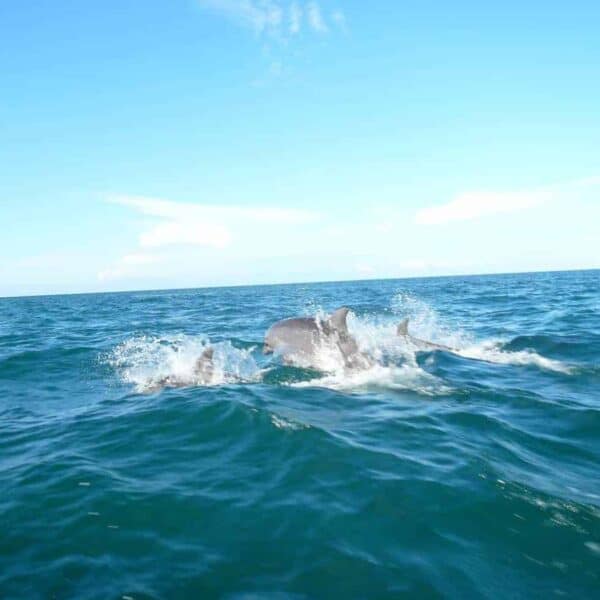
No fixed mark out here: the captain reads the ocean. Frigatebirds diving in a frenzy, dolphins pushing a bait ball to the surface, and a drift line of floating weed and debris. Each sign can mean tuna or mahi underneath, so we run to it and cast or troll before the action moves on.