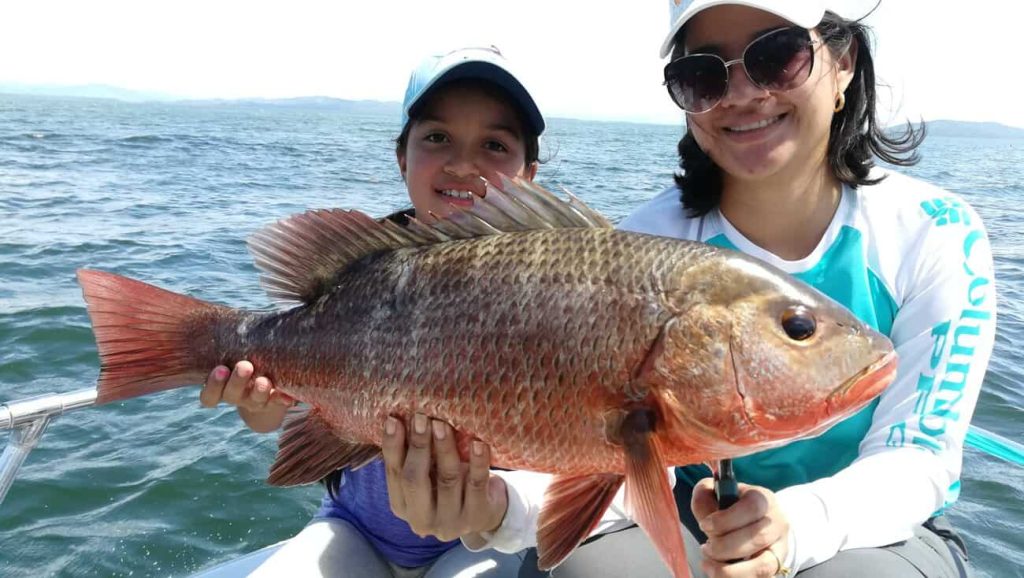


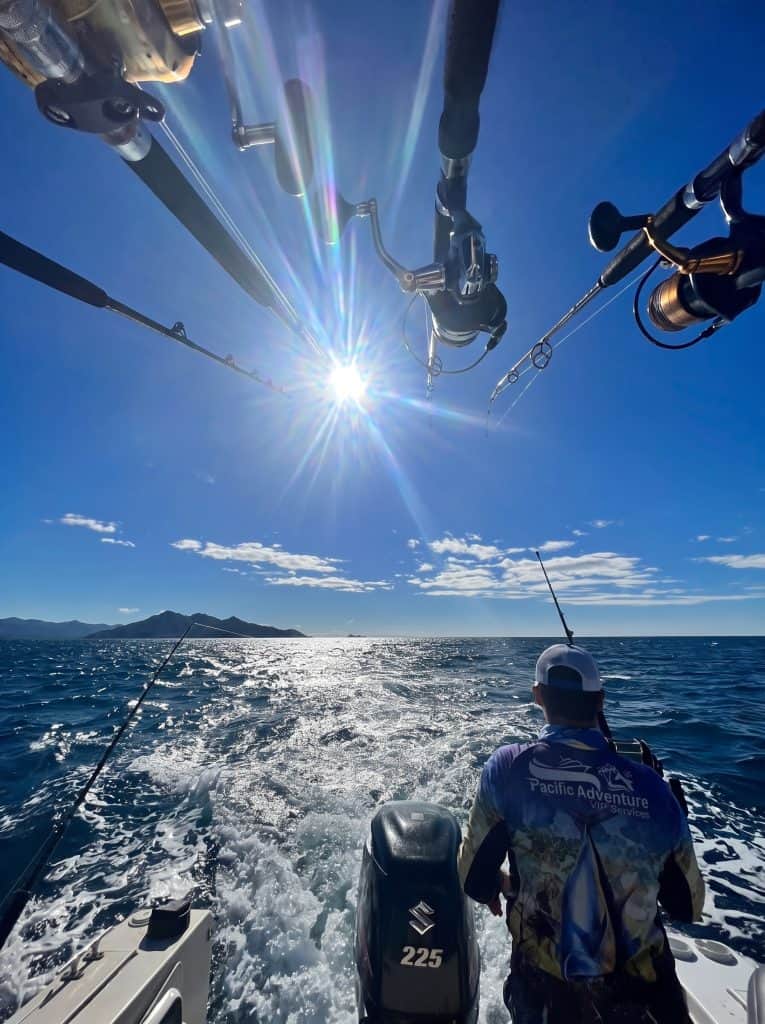
Sport fishing is way more than dropping a line and hoping for the best. It’s reading the ocean, learning the rhythm of every species and living a fight that gets your heart pounding. And in Panama, it comes with front-row seats. From the mangroves of the Gulf of Montijo, which local anglers simply call Puerto Mutis, to the deep blue waters of Coiba National Park and the legendary Hannibal Bank, the Pacific coast of Veraguas is one of the best fishing destinations on the planet. In this guide we cover what sport fishing is, the main techniques, a pinch of history and which technique works best where in Panama.
What Is Sport Fishing?
Sport fishing is fishing for fun, for the challenge or in tournaments, not to sell your catch. You can do it in rivers, lakes, estuaries or out at sea, from the shore or from a boat. The goal isn’t filling the cooler, it’s the thrill: finding the fish, fooling it with the right bait or lure and winning a fair fight.
That’s why modern sport fishing goes hand in hand with catch and release: many species go back to the water alive after the photo, so the next angler gets a shot at the same rush.
Sport Fishing vs Recreational Fishing: What’s the Difference?
In practice, the two are used almost interchangeably. Recreational fishing puts the focus on the pastime: a laid-back day on the water with friends or family. Sport fishing adds the challenge and, often, the competition: bigger species, more specialized techniques and tournaments. Both share the most important thing: you fish for the experience, not for business.
Is Fishing a Sport?
You bet. Fighting a marlin for hours or pulling up a 100 kg (220 lb) yellowfin tuna takes strength, stamina, technique and strategy. There are federations, rules and international tournaments, and anyone who has finished a fight with shaking arms will tell you it’s every bit as much a sport as any other.
Types of Sport Fishing: Six Techniques We Use in Panama
Every technique is a different way to fool a fish, and each one has a home on our coast. Our boats carry gear for all of them, and the captain will ask how you like to fish before the lines go out. Here’s where each one shines.
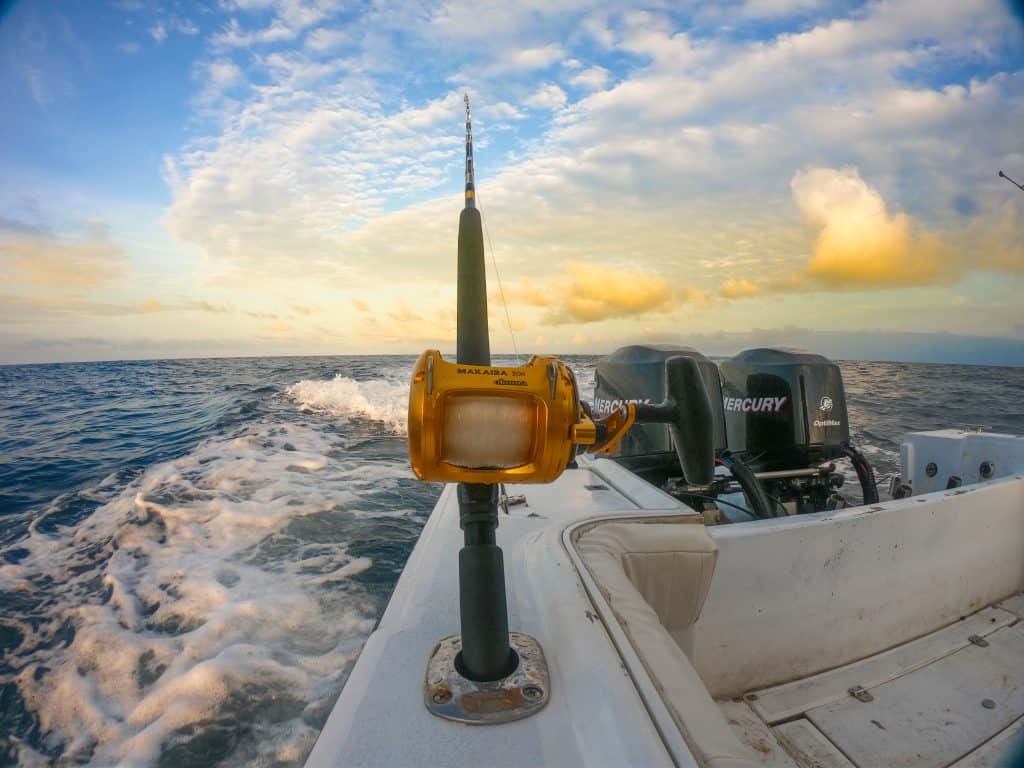
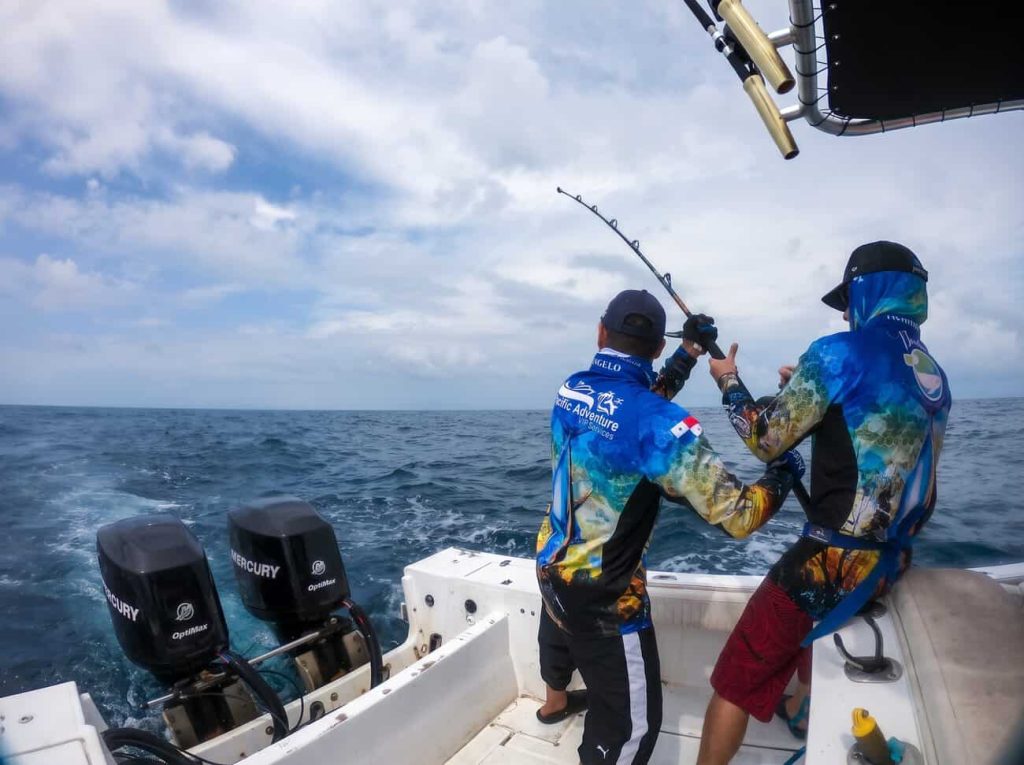
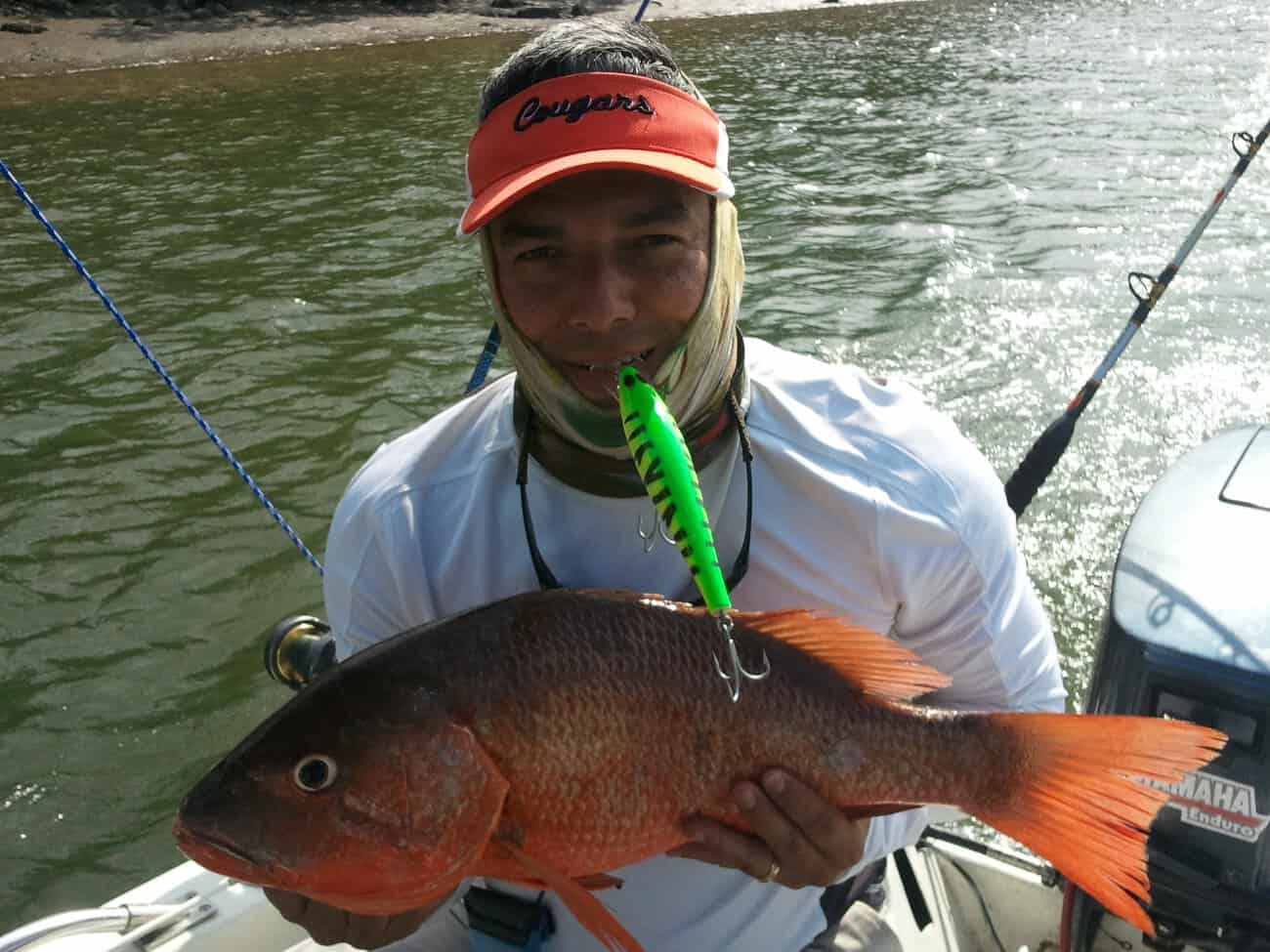
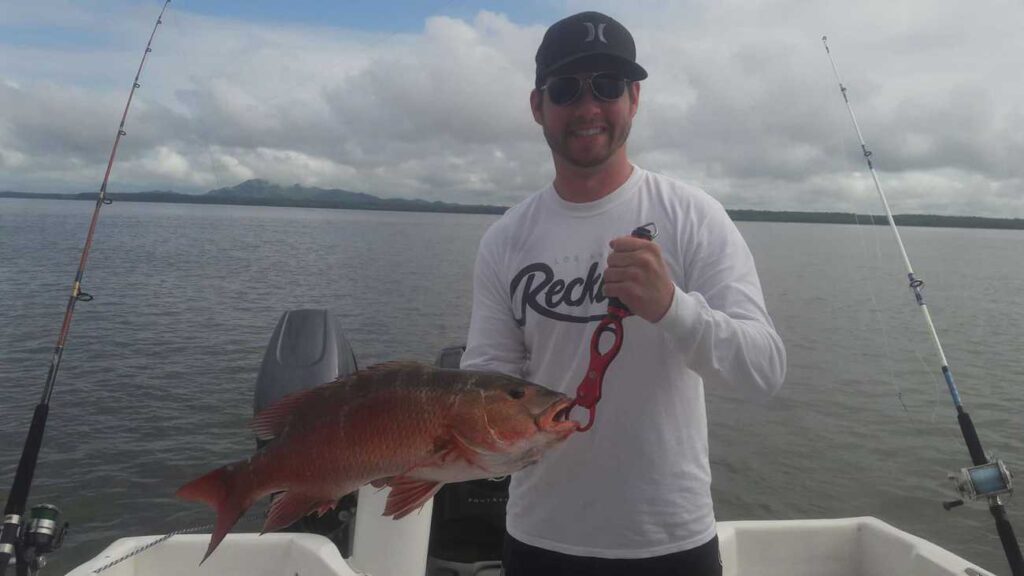
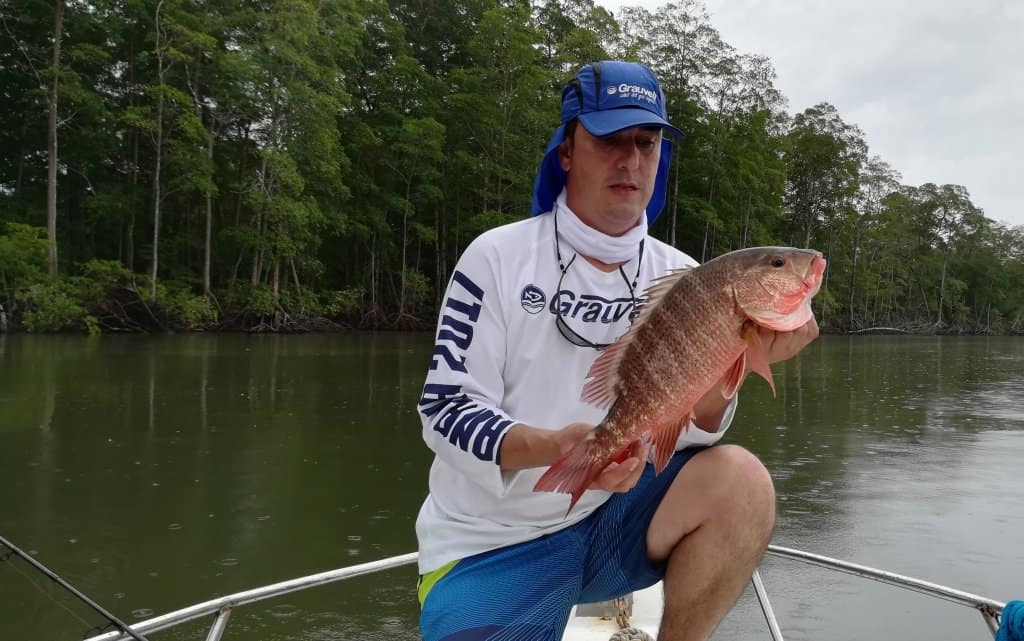
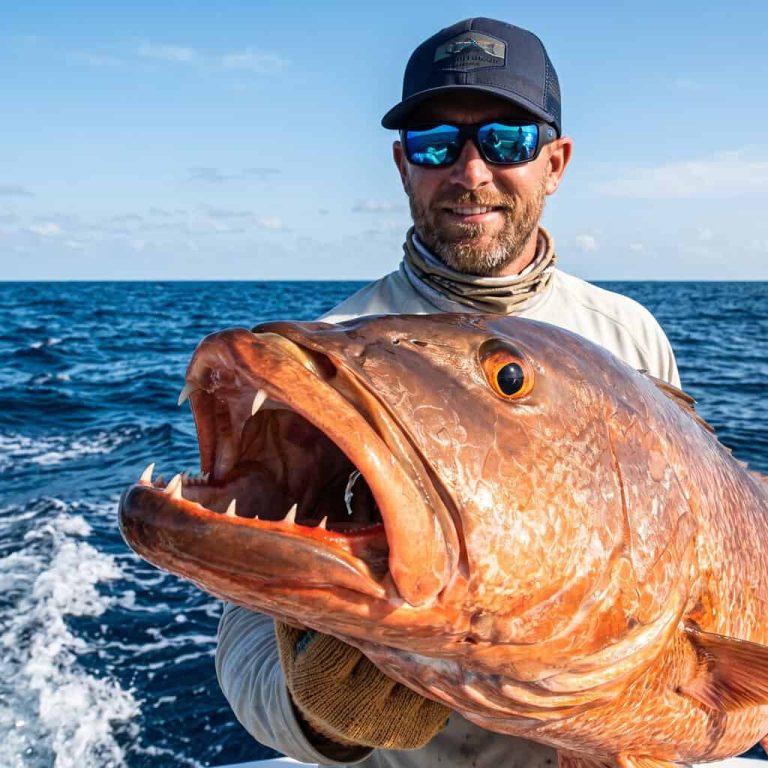
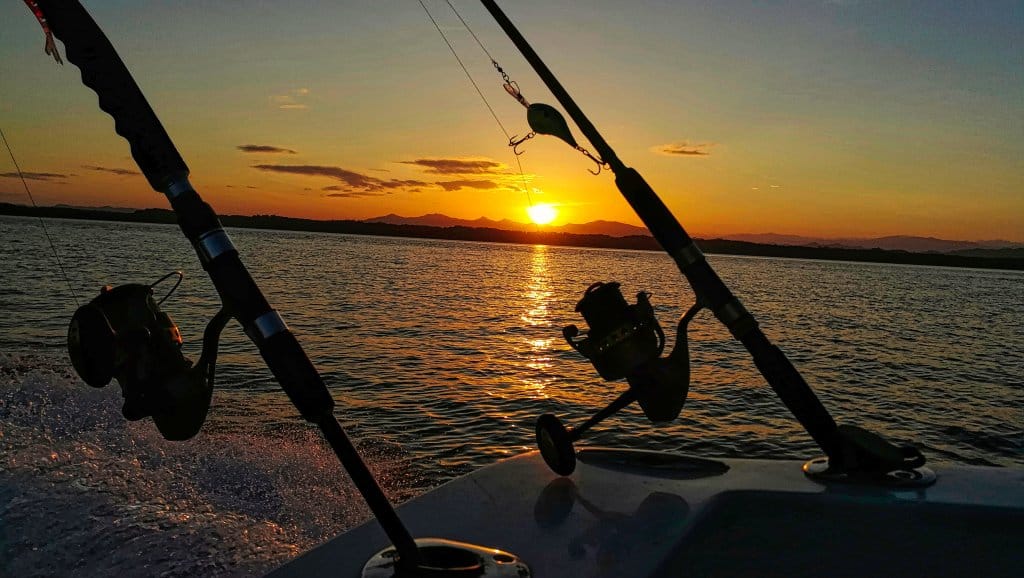
Around Cebaco and Mariato a single day can mix trolling, popping and live bait, which makes it the best classroom on our coast. Prefer the open ocean? Our guide to offshore fishing in Panama compares every blue-water trip, and the spot-by-spot guide covers each fishing ground.
A History Older Than You Think
The fishing rod is as old as human curiosity. It’s believed to go back to prehistoric times and to have caught on in the Far East: in Japan, Ebisu, the god of fishermen, is shown holding a rod with a big fish hanging from it. The reel came much later. Chinese paintings from around the 12th century already show simple reels, and since then the design has gone from wooden spools to the high-precision reels we use today to battle a marlin.
Which Technique for Which Fish
Billfish and wahoo: trolling. Tuna on the surface: popping. Tuna and snapper down deep: jigging. Cubera and roosterfish near the rocks: live bait. Corvina and snapper in the estuaries: bait on the bottom. The species guides go deeper: wahoo, mahi-mahi and yellowfin tuna.
The License Question, Answered
Panama’s law says anyone fishing needs a sport fishing license. There’s one exception that matters to you: when you fish with an authorized company like Pacific Adventure Tours, the temporary license is covered by our captains’ tourism license. You show up, we handle it.
We also keep it sustainable: most fish go back in the water, and every billfish is released. Read more in sustainable sport fishing in Panama, and pack using our what to wear on a boat tour list.
Not Sure Which Technique Fits You?
Tell us how you like to fish, or that you’ve never fished at all. We’ll match you with the right spot, the right boat and the right week.
Frequently Asked Questions
What is the difference between sport fishing and recreational fishing?
They overlap a lot. Recreational fishing is about the pastime, a relaxed day on the water. Sport fishing adds the challenge: bigger species, specialized techniques and sometimes tournaments. In both cases you fish for the experience, not to sell the catch.
What is the best fishing technique for beginners?
Trolling. The crew rigs the lines and sets the spread while the boat moves, and when a fish bites you take the rod and reel. On our trips a second captain helps you through every fight.
What fishing techniques are used in Panama?
On Panama’s Pacific coast the main techniques are trolling, popping and casting, vertical jigging, live bait and bottom fishing in the estuaries. Each one fits different species and spots, from Coiba and Hannibal Bank to Cebaco, Mariato, Pedasi and the Gulf of Montijo.
Is fishing considered a sport?
Yes. Fighting a big fish takes strength, technique and stamina, and sport fishing has its own rules, records and international tournaments.
Do tourists need a fishing license in Panama?
Every angler in Panama needs a sport fishing license, unless they fish with an authorized operator. With Pacific Adventure Tours, our captains’ tourism license covers your temporary license, so there’s nothing to arrange.