


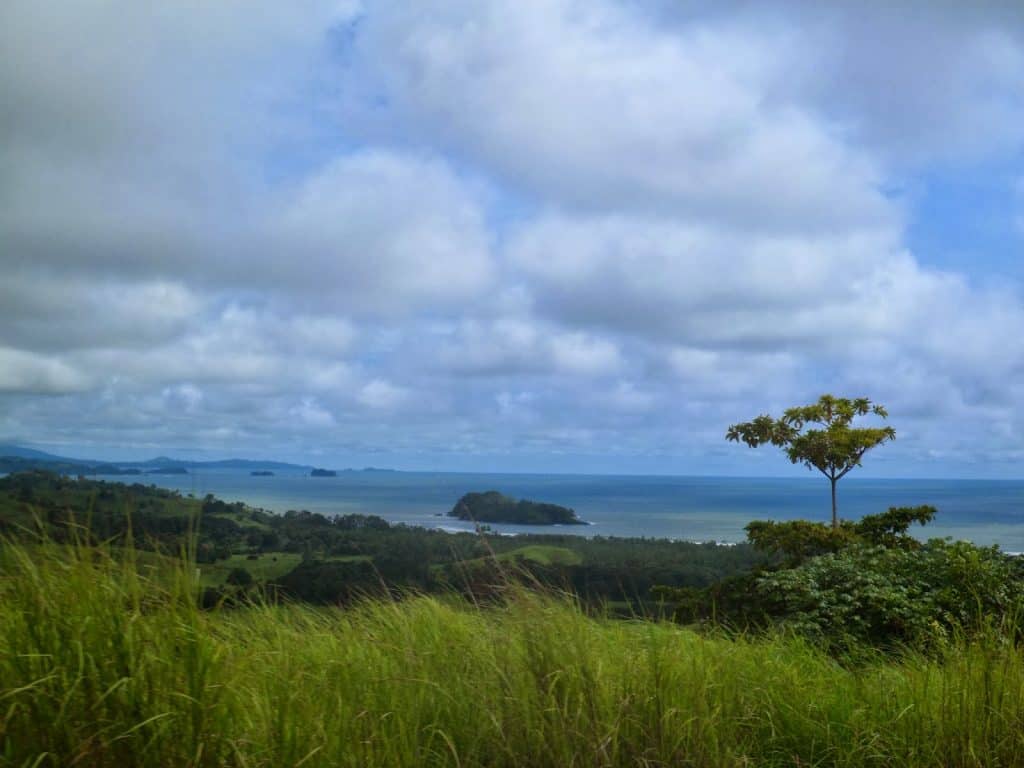
In 1502, on his fourth and last voyage, Christopher Columbus sailed along this coast and wrote to the Spanish kings that Veragua was full of gold. He was right about the riches. He just had the wrong color in mind.
Today the treasure of Veraguas is rainforest that runs down to empty beaches, mangroves that feed the whole Gulf of Montijo, and an island park so alive that UNESCO put it on the World Heritage list. Here is the province in numbers, on a map, and in the places worth the trip.
Where Is Veraguas?
Veraguas sits in the middle of Panama, about 250 km (3 to 3.5 hours) west of Panama City on the Pan-American Highway. Its capital is Santiago de Veraguas. Chiriqui and the Ngabe-Bugle Comarca lie to the west, and Cocle, Colon, Herrera and Los Santos to the east. To the north, the Caribbean. To the south, the Pacific, with the Gulf of Montijo and Coiba National Park.
What Makes Veraguas Different?
Most of Panama’s tourism lives on the Caribbean islands or in the capital. Veraguas is where Panamanians go when they want the country the way it used to be: fishing towns, cattle farms, colonial churches and coastlines with more pelicans than people.
The people are a big part of it. Veraguenses are humble, warm and proud of their land, and the province is one of the safest in the country. Ask anyone in Santiago for directions and you may end up with a lunch invitation and a legend about the river.
Pick Your Veraguas: 8 Things to Do
Sea or mountains, adrenaline or silence. These are the experiences that bring travelers back, from the islands of the Pacific to the cool highlands of the north.
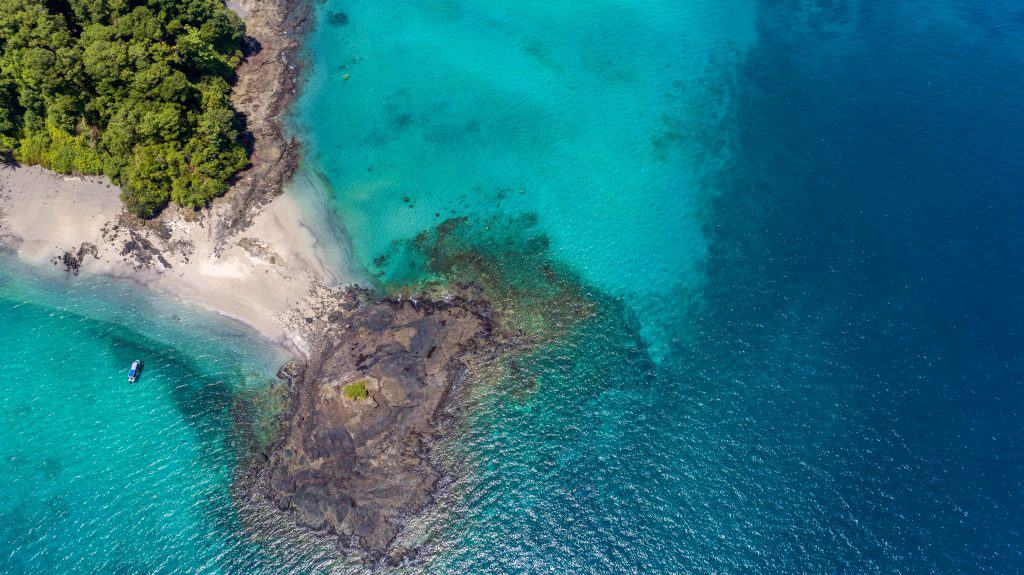


Green is the new gold, and Veraguas has more of it than anywhere else in Panama.
Rocks Older Than Panama Itself
Head to Cerro Hoya National Park, at the southern tip of the Azuero Peninsula, and you are walking on some of the oldest rocks in the country. Some of them were here long before Panama rose from the sea, joined two continents and changed the climate of the planet.
Not far away, in La Escaleta (Rio de Jesus district), farmers found a two-headed serpent carved in stone. Experts estimate it was made around the year 500.
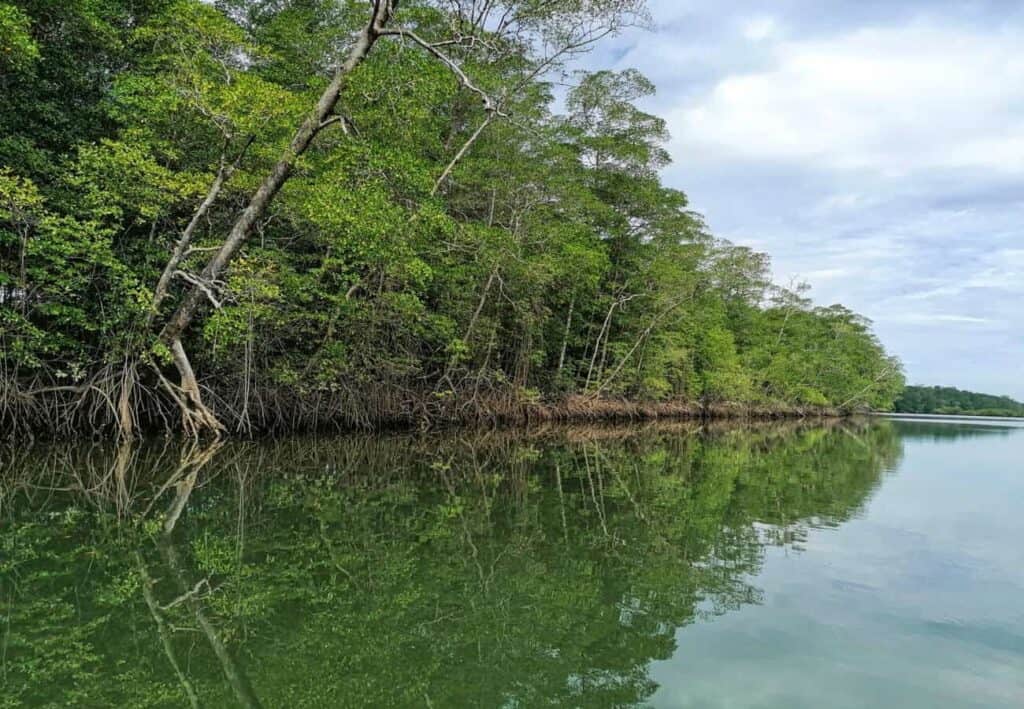
In the same district, Puerto Cabimo hides untouched mangroves and the green banks of the San Pablo River, a quiet place to see the coast the way the first fishermen saw it.
The Whales Come Here to Have Their Babies
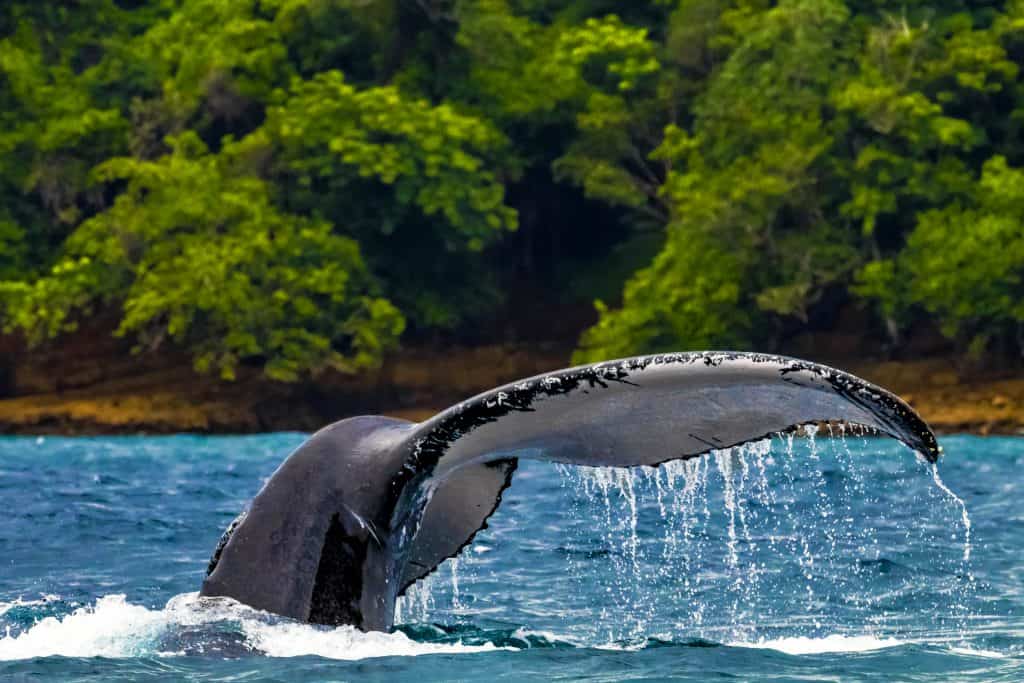
Every year, thousands of humpback whales leave the cold water of Antarctica and swim all the way to the Pacific coast of Veraguas. They come for calm, warm water. They leave with a calf, which means plenty of those babies are born Veraguenses.
Five Sea Turtles, One Coast
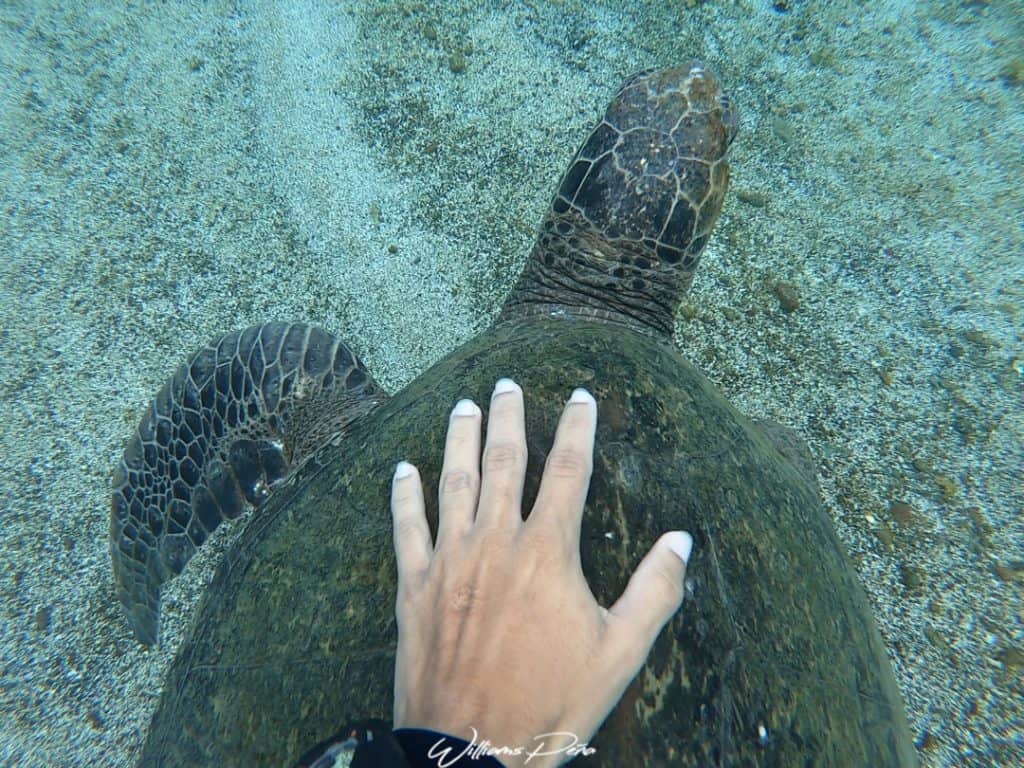
Hawksbill, olive ridley, leatherback, green and loggerhead: five species of sea turtles come back to the beaches of Mariato, the same beaches where they hatched. They dig, lay their eggs and slip back into the sea before sunrise.
The rest of the work belongs to the community. Along the Tortuga EcoRoute, more than a dozen family businesses, most of them led by women, run night patrols and move nests to safety.
Reefs, Waves and Big Fish
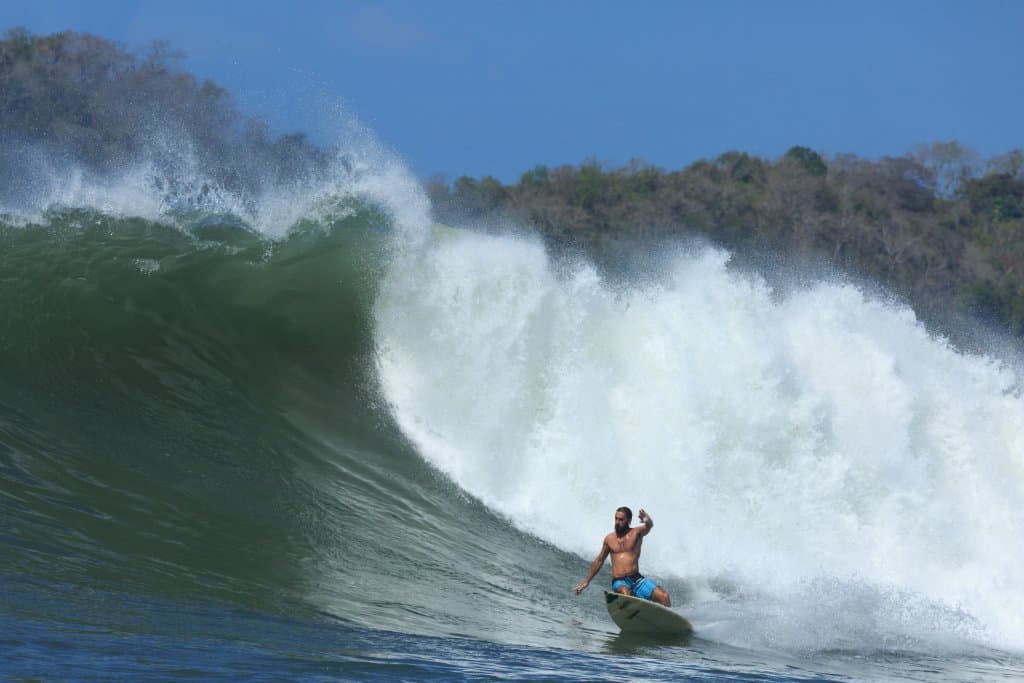
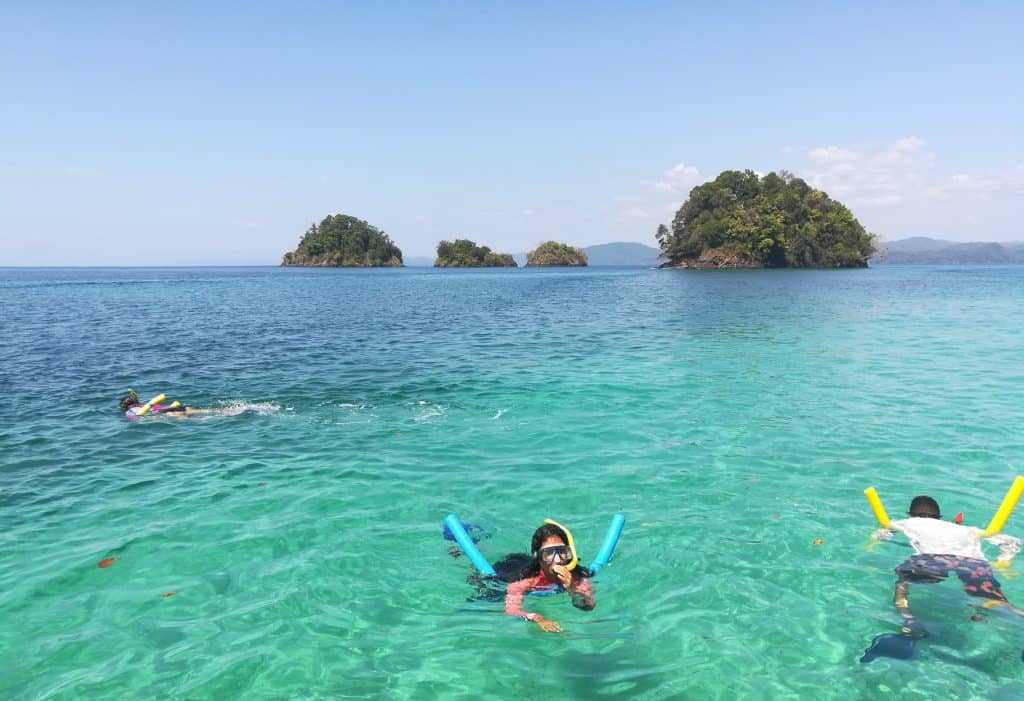
Santa Catalina is the gateway to Coiba and the surf capital of Panama, with dive shops, surf schools and a laid-back village feel. From there, the boat ride to the park takes about an hour. Right in front of the town, Isla Santa Catalina has a short trail with two lookouts, one over the village and one over Coiba: spend a private day on Isla Santa Catalina on our boat from El Bongo. Planning your trip? Read how to get to Coiba first.
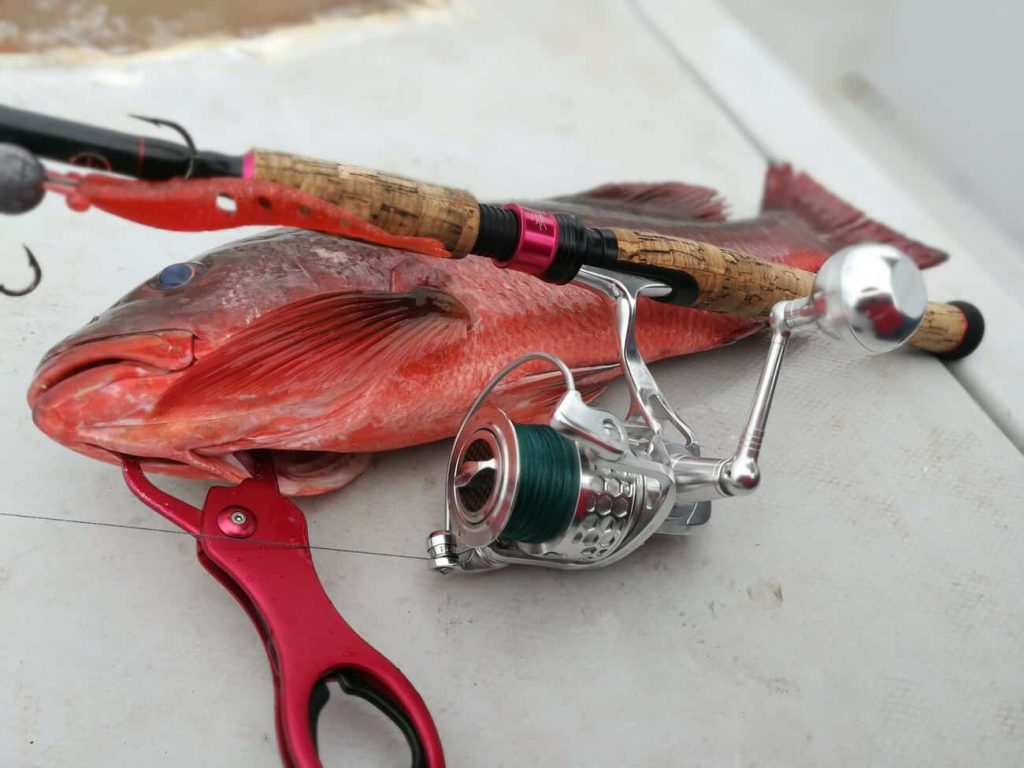
Anglers come for the other side of the map. The Gulf of Montijo, the coast of Mariato, Cebaco Island and Coiba are some of the best fishing grounds in Central America. Our boats leave from El Bongo, five minutes from Puerto Mutis, and from Santa Catalina.
Gold Altars and Cool Mountains
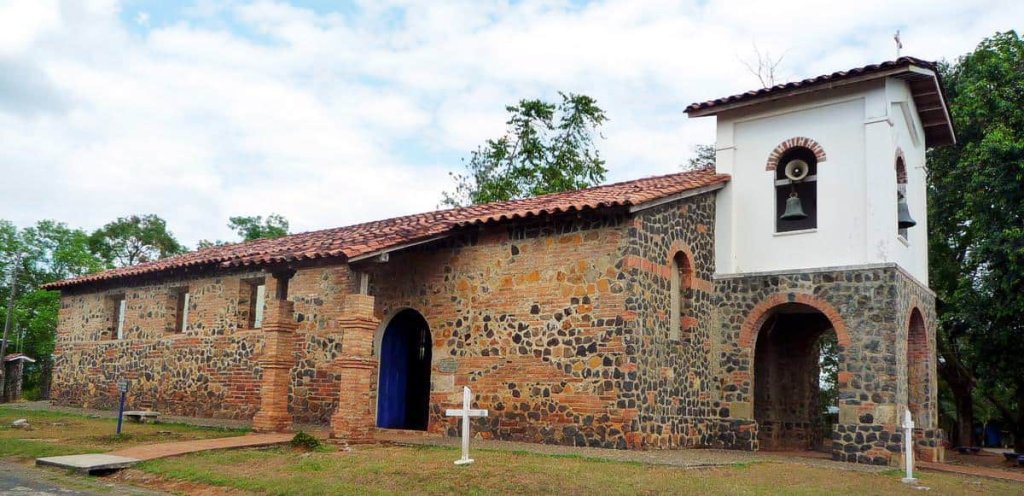
North of Santiago the road climbs, the air cools down and the province changes completely. The church of San Francisco de la Montaña is one of the jewels of colonial art in Panama, with altars carved by hand and covered in gold.
Keep going and you reach Santa Fe National Park and the hills of La Yeguada. More than 50 waterfalls hide along its trails, and some are worth walking to by day and again by night. The rivers are perfect for a swim or for river tubing, floating downstream on an inflated tube. Coffee farms, orchid farms and great birdwatching finish the picture.
Veraguas also has a pirate past, from the gold rush of La Concepcion to the riverbank ambush that killed Richard Sawkins. Here is the story of the pirates of Veraguas.
Frequently Asked Questions
Where is Veraguas, Panama?
Veraguas is in central-western Panama, about 250 km west of Panama City. It is the only Panamanian province with coasts on both the Caribbean Sea and the Pacific Ocean, and its capital is Santiago de Veraguas.
What is the capital of Veraguas?
The capital of Veraguas is Santiago de Veraguas, a city on the Pan-American Highway about 3 to 3.5 hours from Panama City by car or bus. It is the main stop for travelers heading to Santa Catalina, Santa Fe or the Gulf of Montijo.
What is Veraguas known for?
Veraguas is known for Coiba National Park, a UNESCO World Heritage Site, for its two coasts, its surf in Santa Catalina, humpback whales from July to October, sea turtle nesting in Mariato, sport fishing and the waterfalls of Santa Fe.
When is the best time to visit Veraguas?
The dry season, from December to April, brings sunny days and the clearest water for snorkeling in Coiba. July to October is humpback whale season, and sea turtles nest on the beaches of Mariato from June to December.
How do you get to Coiba National Park from Veraguas?
Boats to Coiba leave from Santa Catalina, about an hour from the park, and from El Bongo, near Puerto Mutis in the Gulf of Montijo. Pacific Adventure Tours runs private boats for up to 6 people from both places.