

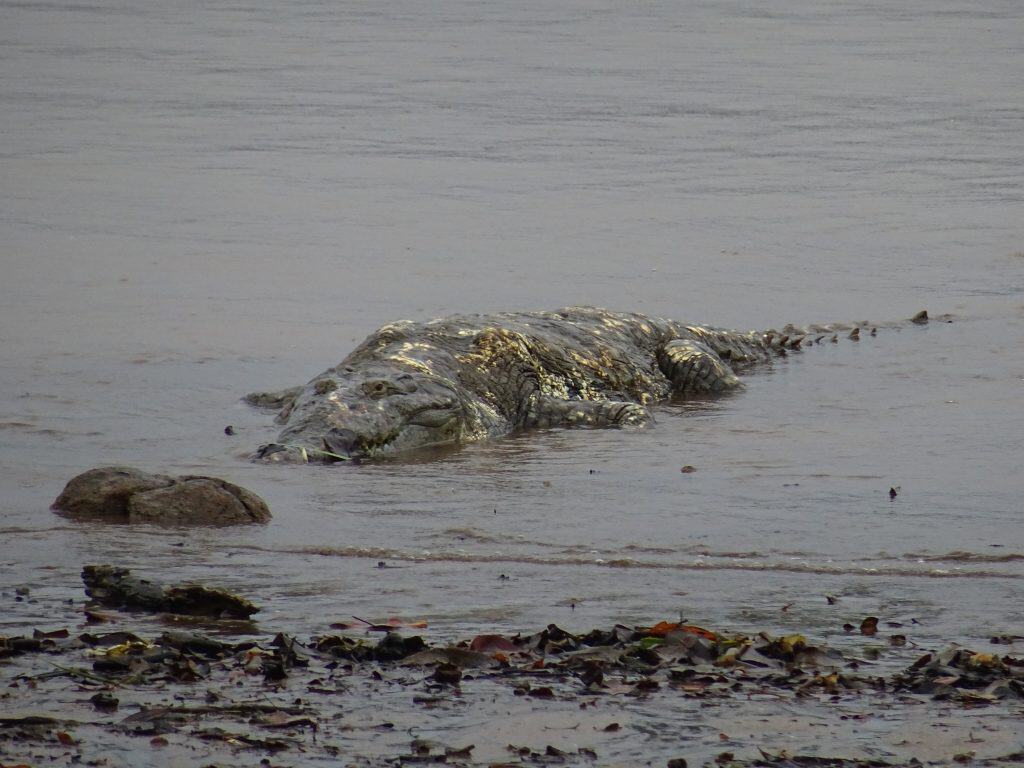
Lunchtime at the Coiba prison, more than 30 years ago. The cook walks down to a little wooden bridge with a plate of scraps and shouts one word: “Tito!”
For a moment, nothing. Then the water under the bridge starts to move.
Most people have dogs or cats. Some keep exotic birds or goldfish. In Coiba, they adopted a wild American crocodile. To understand how that happened, you first need to know the island where Tito grew up.
A Prison With No Bars
From 1919 and for almost a century, Coiba Island was the place where Panama sent its most dangerous convicts, to serve their sentence or simply to disappear. More than 3,000 inmates lived there, and most of them were never locked behind iron bars. So why didn’t they escape?
Because the island itself was the guard. Thick jungle full of venomous snakes, and giant crocodiles watching the river mouths and the beaches. Anyone who made it past the jungle still had to face the open sea and Coiba’s powerful currents. There was no way out.
Are There Crocodiles in Panama?
Yes. Panama has two: the American crocodile (Crocodylus acutus), which tolerates salt water and lives on both coasts, in mangroves, river mouths, lakes and islands like Coiba, and the smaller spectacled caiman, common in rivers and freshwater lakes. Attacks are rare, but they are wild animals: keep your distance, avoid swimming at river mouths and never feed them.

When the prison closed in 2004, the island became one of the largest marine parks in the world and the home of the last stands of tropical moist forest on the Pacific side of Central America. Its waters hold about 800 species of marine fish, 33 species of sharks and 23 species of whales and dolphins, and the island adds 36 land mammals, about 147 species of birds and more than 40 amphibians and reptiles. Curious about the full list? Here it is.
The convicts left. The crocodiles stayed. And one of them was already famous.
Who Is Tito?

Imagine a pet the size of a small dinosaur. Seeing Tito always causes shock, surprise and a little fear, and none of that ever stopped anyone from wanting to see him. But here is the part almost nobody knows: Tito was not born in Coiba.
Tito’s Untold Story, in Six Chapters
The irony is that Tito found freedom and good friends inside the most feared prison in Panama.
A Private Beach Behind the Ranger Station
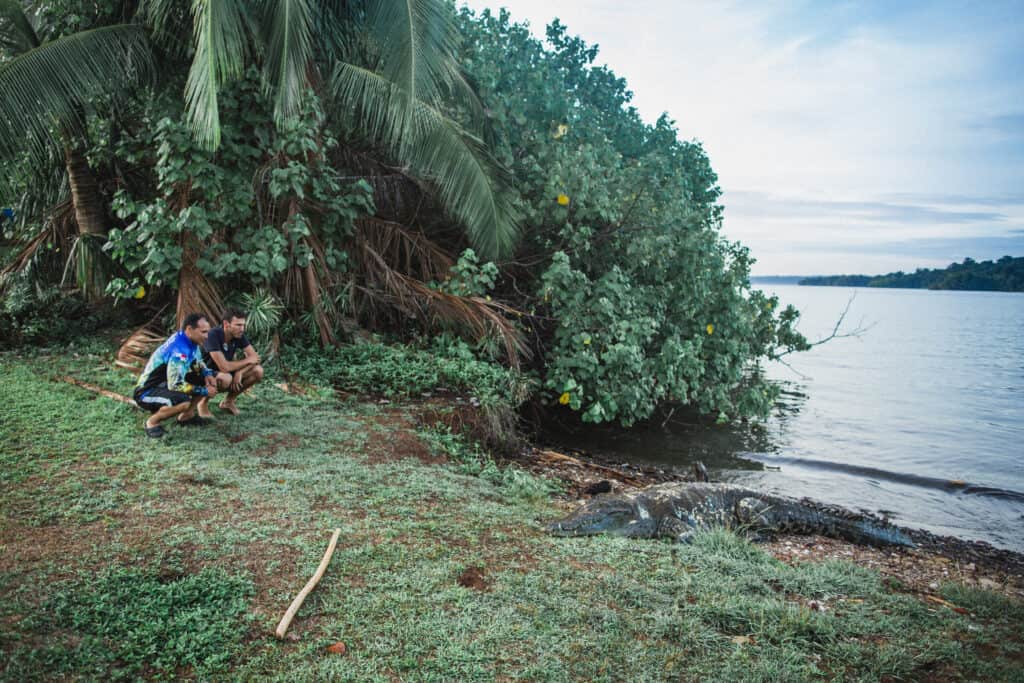
Meet the Couple: Tito and Tita


Movies turn crocodiles into terrifying, misunderstood creatures. Their looks hide that they are living beings that can form bonds with those who care for them, just like dogs, horses and many other animals.
In Africa, the king of the jungle is the lion. On Coiba Island, the king of the beach is Tito the crocodile.
Andis Batista
So, Where Is Tito Now?
Back to where we started. For more than a year, Tito has not shown up on his beach behind the ranger station. Rangers still look for him, and guides still scan the shoreline every time a boat arrives.
Nobody knows if the king of the beach is still out there. Crocodiles can disappear for long stretches, and Coiba has plenty of quiet rivers to hide in. Maybe he is simply enjoying his privacy after 30 years of fame.

Not sure how to get there? Here is how to get to Coiba, step by step.
Frequently Asked Questions
Are there crocodiles in Panama?
Yes. Panama is home to the American crocodile, which lives in mangroves, river mouths, lakes and coastal islands on both the Pacific and Caribbean sides, and to the spectacled caiman, a smaller species found in rivers and freshwater lakes.
Are crocodiles in Panama dangerous?
Crocodile attacks in Panama are rare, but American crocodiles are large wild predators. Keep a safe distance, do not swim near river mouths or mangroves at dusk, and never feed them, because feeding teaches them to approach people.
Who is Tito the crocodile?
Tito is an American crocodile who arrived in Coiba as a young pet more than 30 years ago, when the island was still a prison. He grew up around inmates, rangers and fishermen and became the most famous resident of Coiba National Park.
Is Tito the crocodile still alive?
Nobody knows for sure. Tito has not been seen on his beach behind the ranger station for more than a year. Crocodiles can vanish for long periods, so rangers and guides keep looking for him.
Is it safe to snorkel in Coiba National Park?
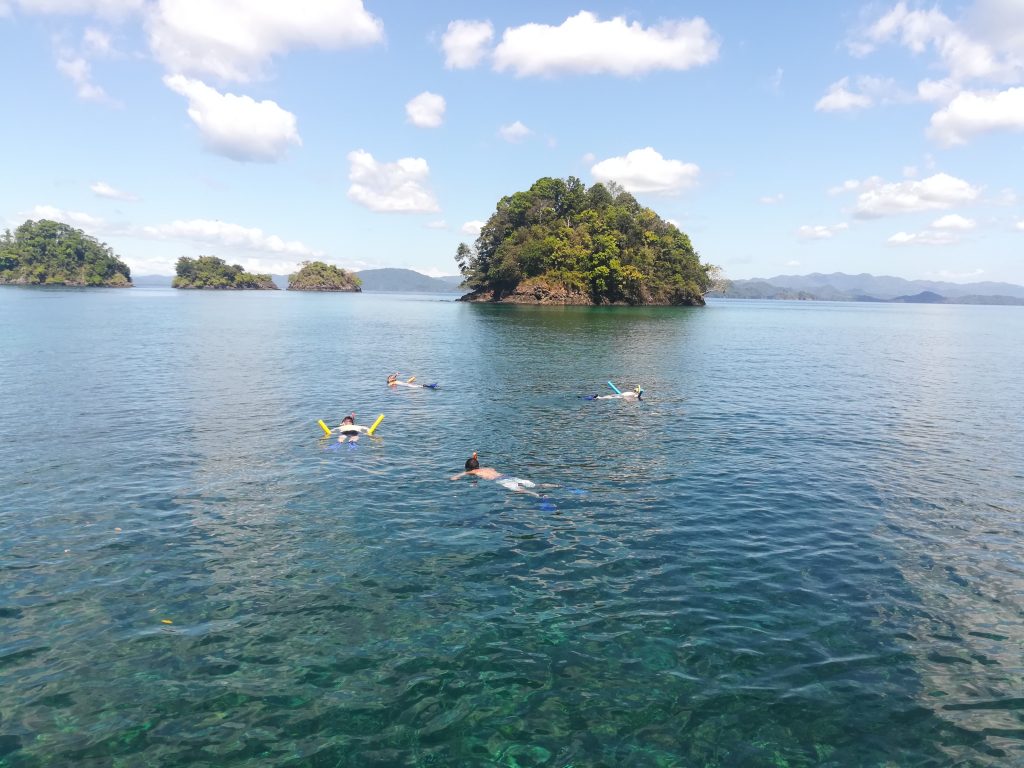
Yes. Snorkeling in Coiba happens over reefs and around islands in open water, far from the river mouths where crocodiles live. Our guides choose each spot according to the tide and the conditions of the day.
Special thanks to Francis Pérez y Andis Batista, for collaborating with us.