

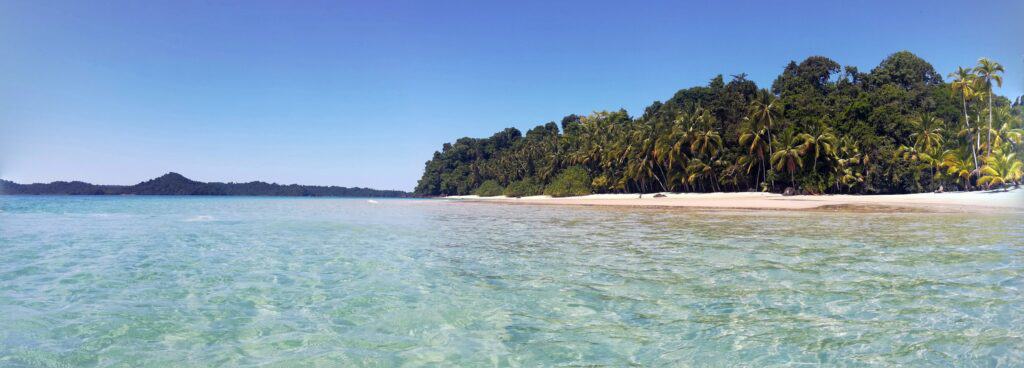
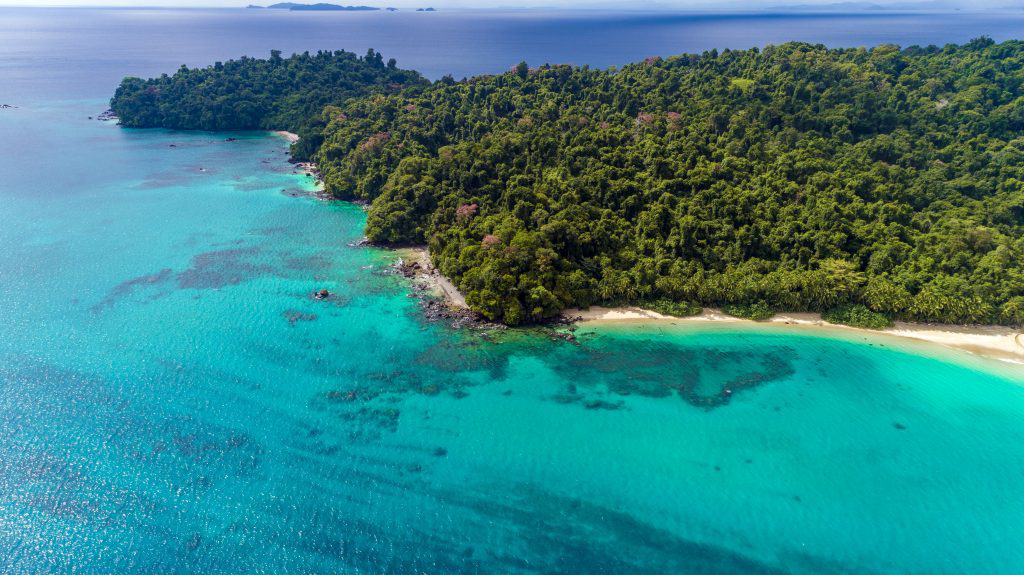
Right in front of Coiba Island lies Isla Rancheria, also called Coibita, known as the younger sister of Coiba Island. It is one of the most popular stops for anyone exploring Coiba National Park, and once you step onto the sand you understand why.
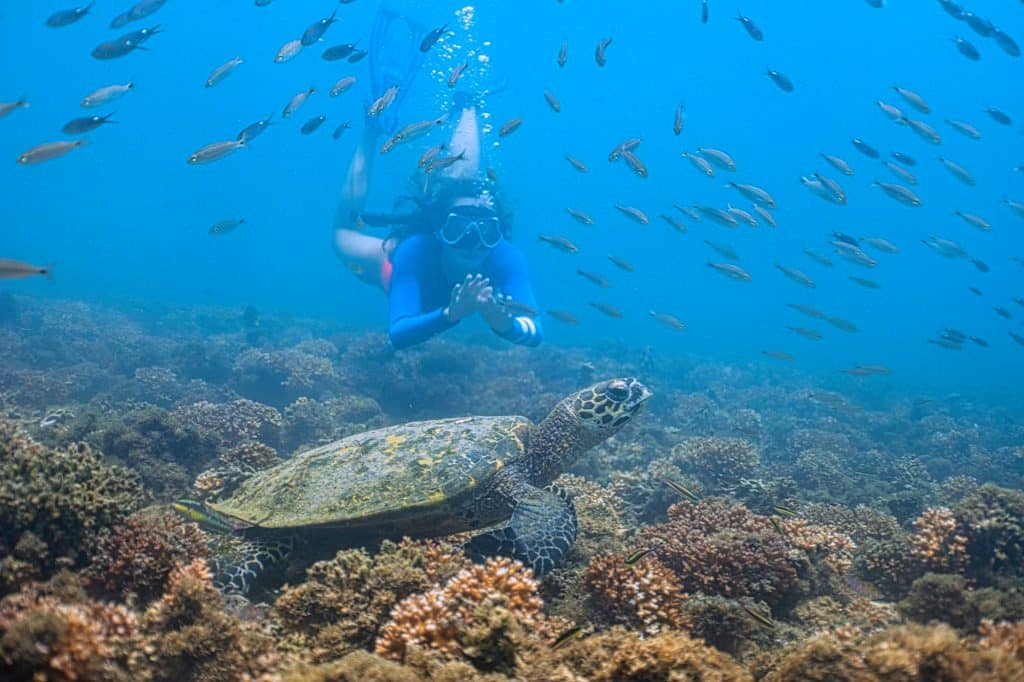
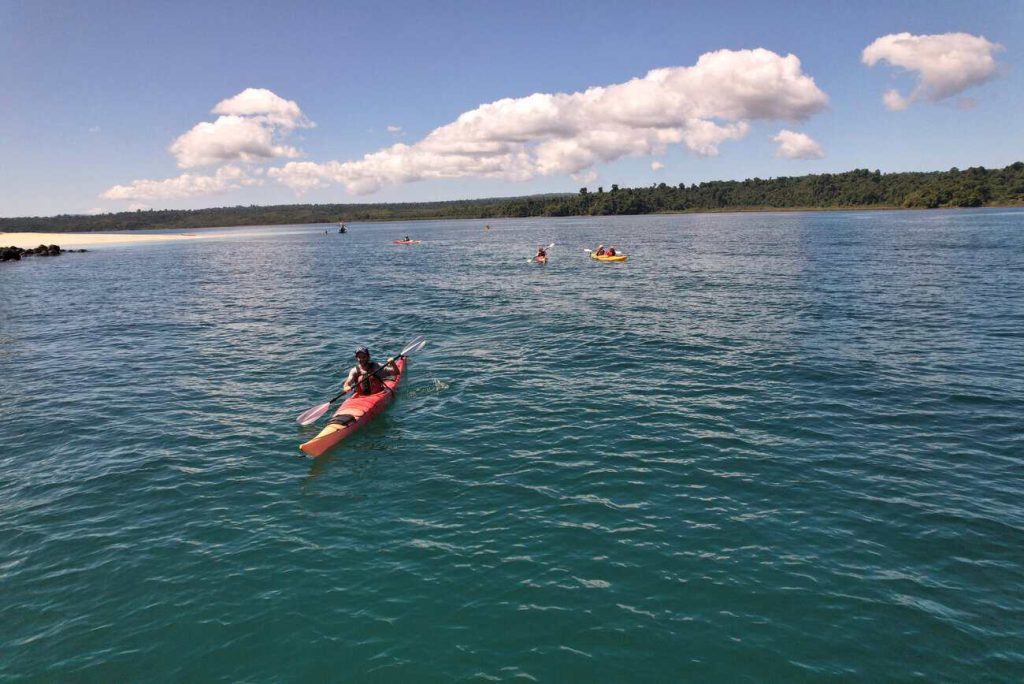
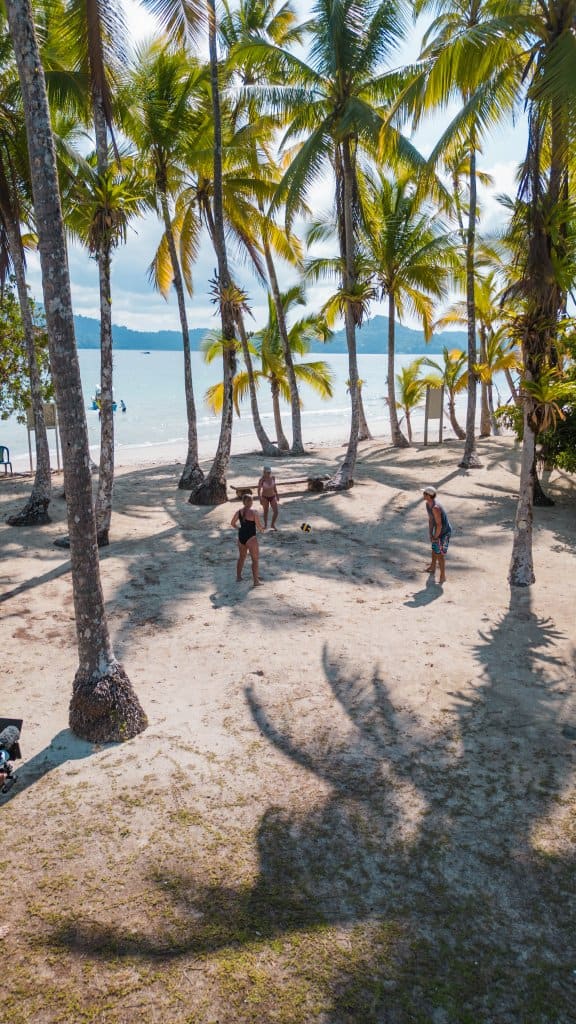
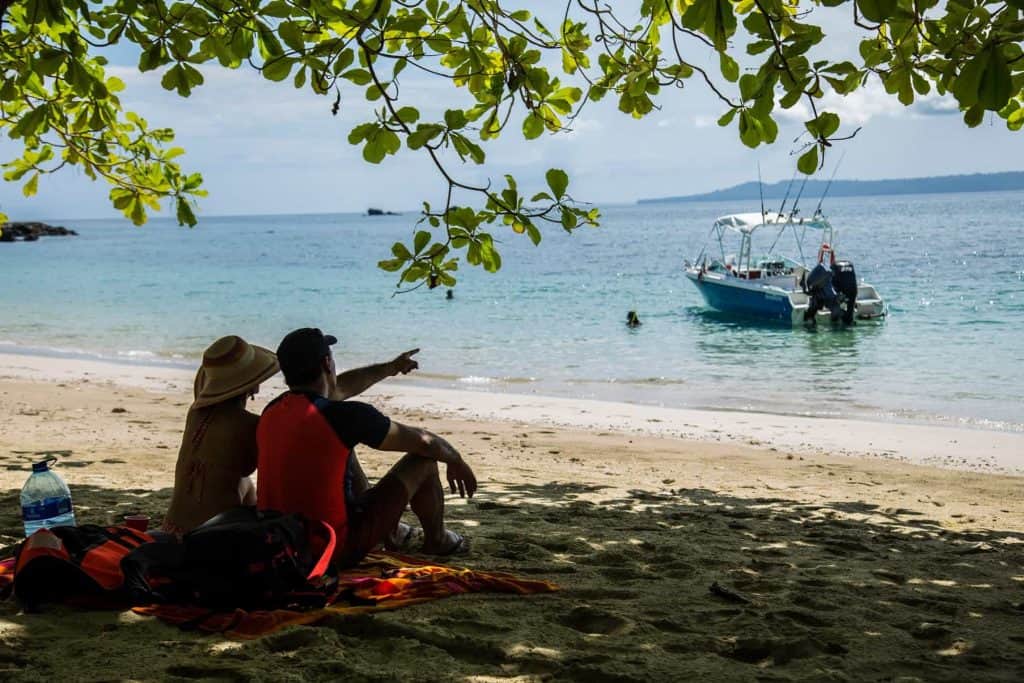
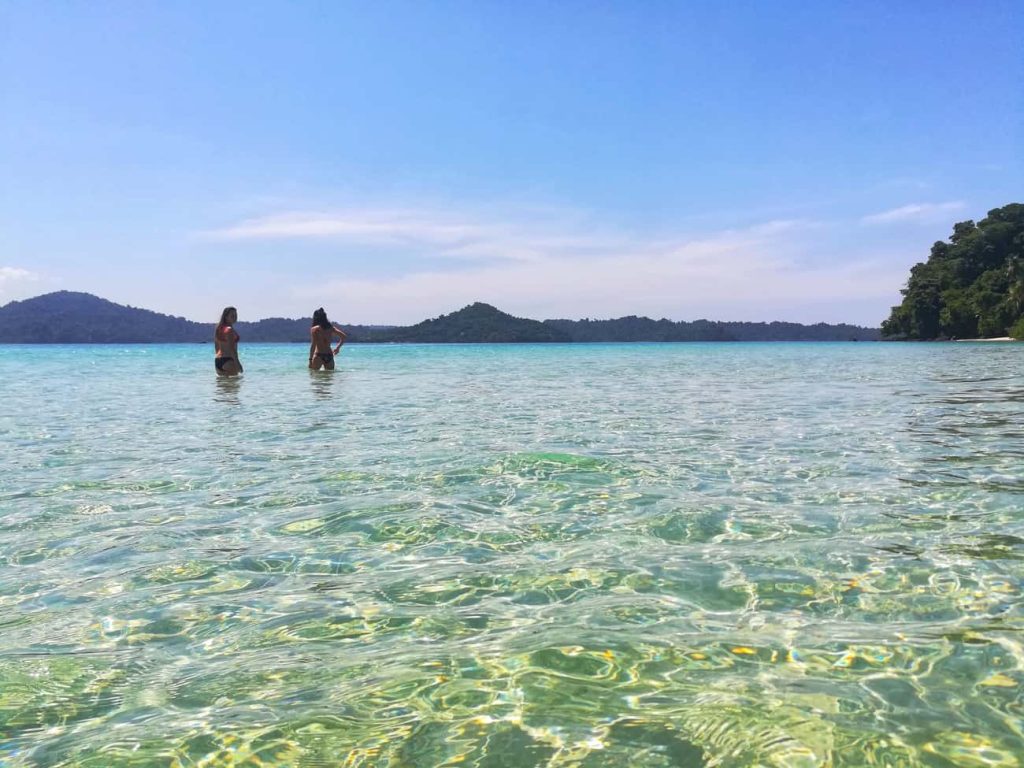
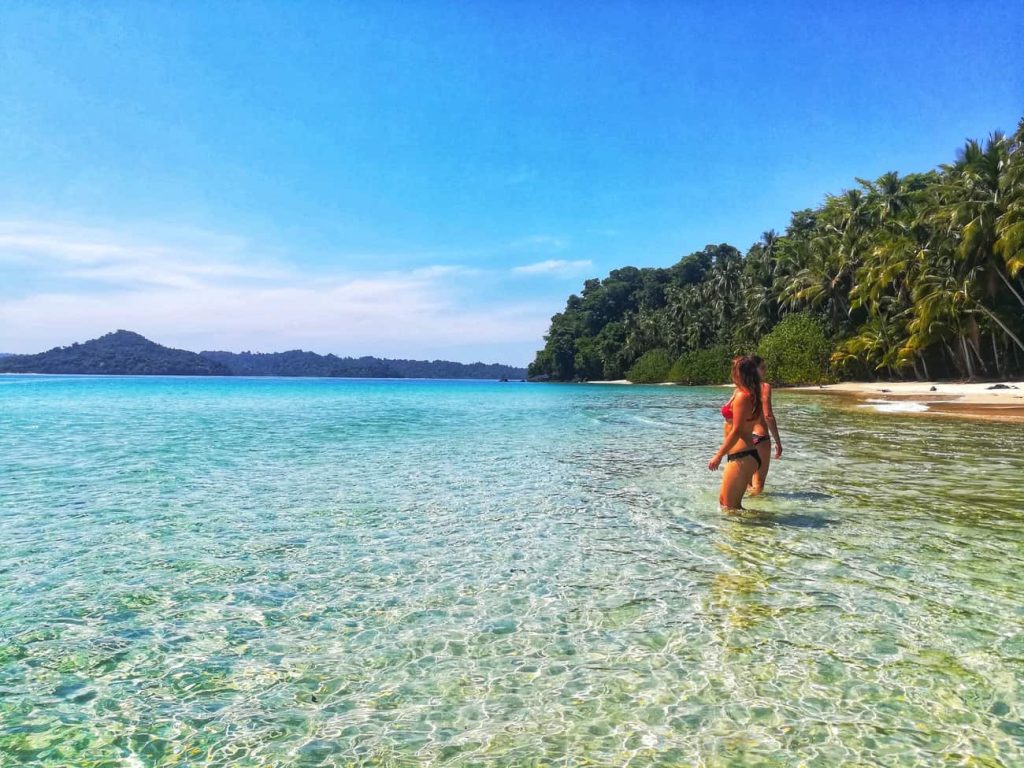
White sand, an army of palm trees and calm, clear water make it the perfect place to spend a day in nature: snorkeling, kayaking, walking or simply doing nothing at all. But Rancheria hides a second life that most visitors never notice.
Where Is Isla Rancheria?
Isla Rancheria (Coibita) is a small island in Coiba National Park, Veraguas, just off the northeast coast of Coiba Island in the Gulf of Chiriqui. Boats reach it in about 70 minutes from Santa Catalina, or in just over two hours from El Bongo, five minutes from Puerto Mutis.
What to Do on Isla Rancheria
Rancheria is small enough to feel like your own island and wild enough to keep you busy all day.
Not at the Top of the Ranking, Still a Must-Stop
In the first scenery inventory of Coiba’s beaches, carried out by the Estación Científica Coiba AIP, Rancheria ranked around 33rd out of 42, mainly because of the human traces near its beach, like the ruins of the house of the island’s old owner. We will tell the full story of that ranking, beach by beach, in its own post.
Ranking or not, Rancheria is one of the most loved beaches in the park and a stop nobody wants to skip. And it has a very famous resident: Tita, the crocodile.
A Living Laboratory on a Tropical Island
From Private Island to Living Laboratory
The first legal owner of Isla Rancheria was Justo Arosemena, in 1862. After passing through other owners, the island was donated to the Smithsonian Tropical Research Institute to dedicate it to scientific research and conservation. Coibita never held a single prisoner, unlike its big sister, and on the island you can still see the ruins of the old owner’s house. Read the island’s story or explore more about Rancheria Island.
Coibita never held a single prisoner. Today it hosts scientists, sea turtles and a queen crocodile.
Coiba is also a Hope Spot, one of the ocean places that Sylvia Earle’s Mission Blue considers vital for the health of the planet. Here is why Coiba earned that title.
More Than One Beach on the Island
Meet Tita, the Queen of Rancheria
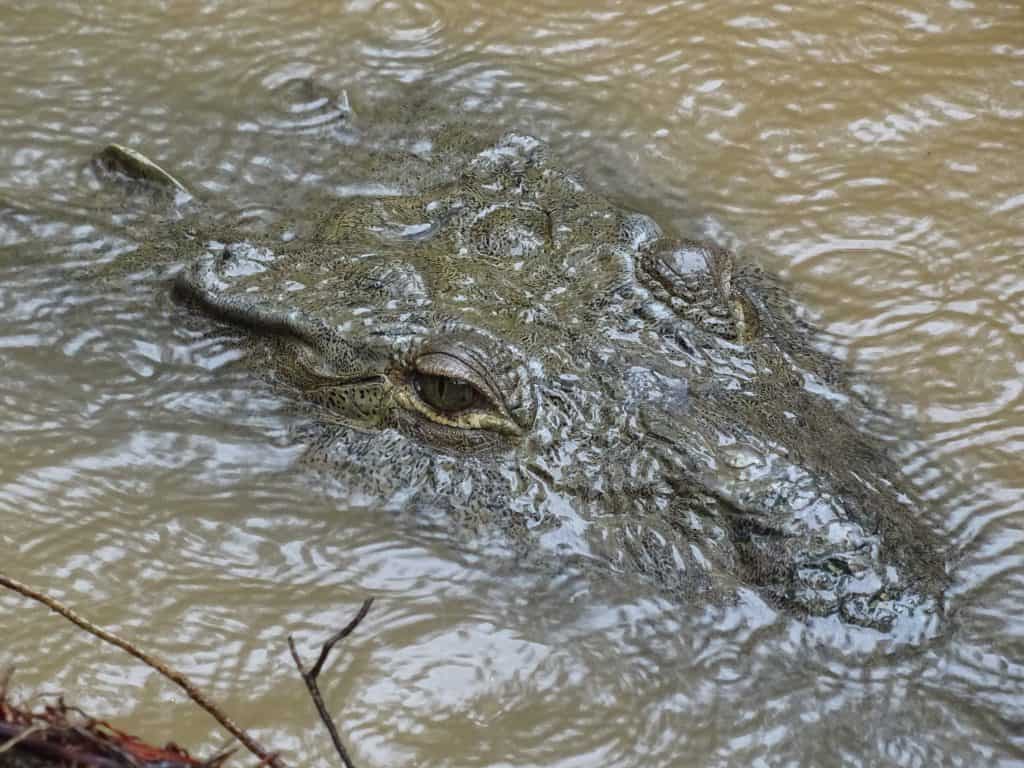
Tita is the partner of Tito, the most famous crocodile in Coiba, who grew up inside the old prison and became the king of the beach. While Tito ruled the beach behind the ranger station, Tita made Rancheria her home, and she rarely says no to a photo.
When the magazine Panorama de las Americas explored Coiba for its story “Coiba, naturaleza salvaje”, we were their guides. On Rancheria they found soft sand covered in hermit crabs, white-tip reef sharks, a giant ray, barracudas and a moray on the reef, and a family of crocodiles in the river behind the beach.
How to Get to Isla Rancheria
You need a boat. The closest towns are Santa Catalina and Playa Banco, about 70 minutes away. The easiest way is our private snorkeling tour to Coiba, leaving from Santa Catalina or from El Bongo. If you are coming from Santiago and would rather skip the two-hour drive to the coast, start from El Bongo, near Puerto Mutis. The ride takes just over two hours and it is a trip in itself:
Planning your visit? Read our step-by-step guide on how to get to Coiba.
Frequently Asked Questions
Where is Isla Rancheria in Panama?
Isla Rancheria, also known as Coibita, is in Coiba National Park, in the province of Veraguas, just off the northeast coast of Coiba Island. It is about 70 minutes by boat from Santa Catalina.
Why is Isla Rancheria called Coibita?
Coibita means little Coiba. The island sits right in front of Coiba Island and is known as its younger sister.
Is Isla Rancheria one of the best beaches in Coiba?
In the first scenery inventory of Coiba’s 42 beaches, made by the Estación Científica Coiba AIP, Rancheria ranked around 33rd, mainly because of the human traces near its beach, like the ruins of an old house. Even so, it is one of the favorite beaches in the park, a must-stop on any Coiba tour and the home of Tita, the crocodile.
What can you do on Isla Rancheria?
You can snorkel over the reefs, paddle a kayak along the shore, walk the island and relax on the white sand. It is one of the most popular stops on tours to Coiba National Park.
How do you get to Isla Rancheria?
Only by boat. Tours leave from Santa Catalina, about 70 minutes away, or from El Bongo near Puerto Mutis, just over two hours away along the San Pedro River and the coast of Veraguas.