


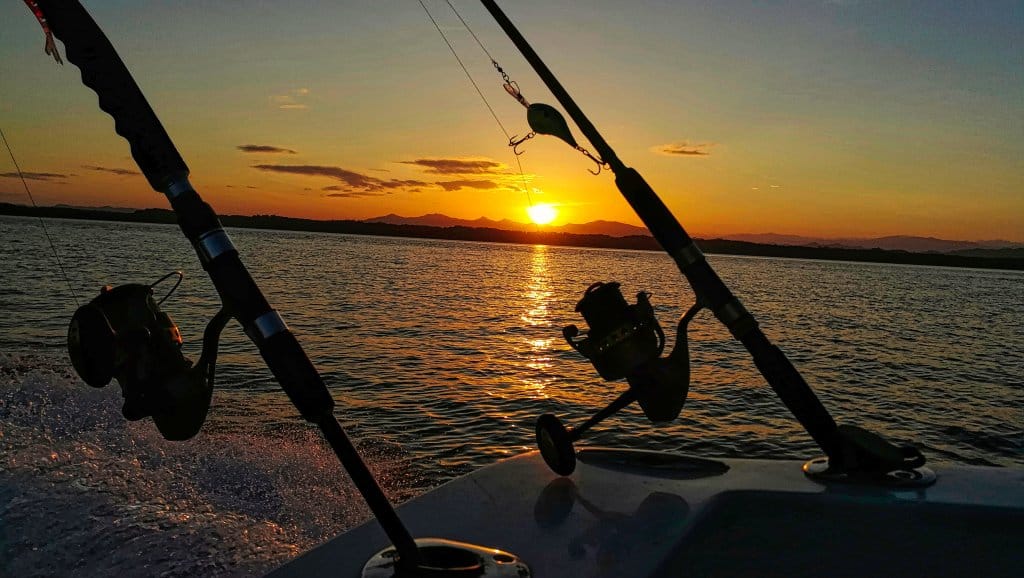
For an hour the current has been dragging the boat sideways, and every cast comes back with nothing but a leaf on the hook. The water is the color of strong tea. Nobody says it, but everyone is thinking about breakfast.
Then the captain looks at the mangrove roots, where the water line has stopped climbing, and says one word: “Now.” The current slows. The leaves stop drifting. On the next cast, the line goes tight and something heads straight back into the branches.
Nothing changed in the fish. What changed was the water. That is the whole secret of estuary fishing, and the rest of this guide is about learning to see it coming.
What Is Mangrove Fishing?
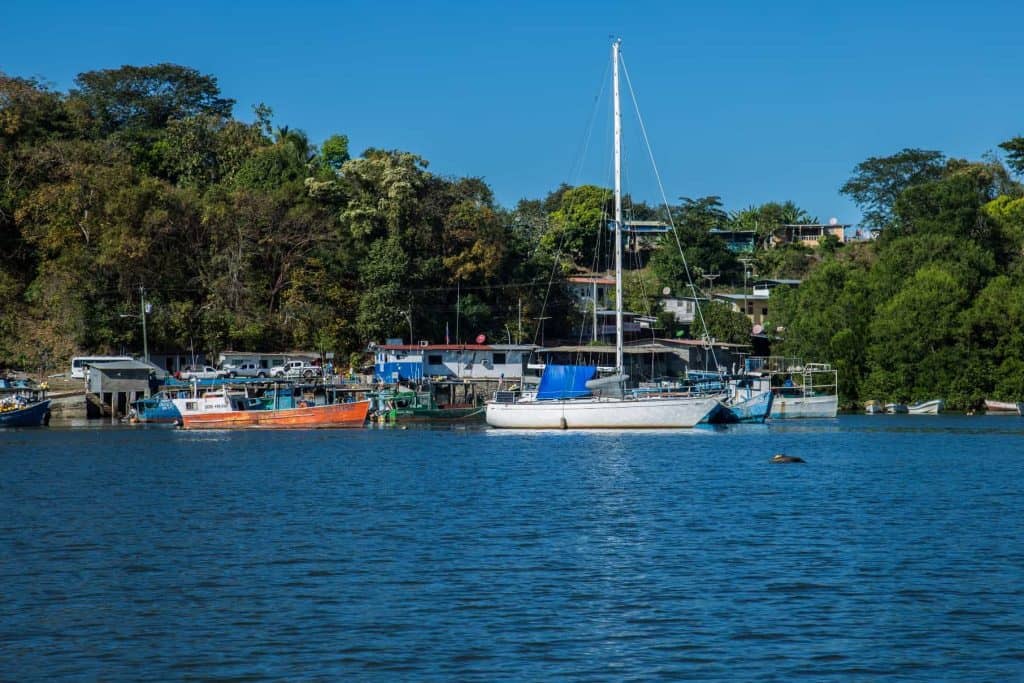
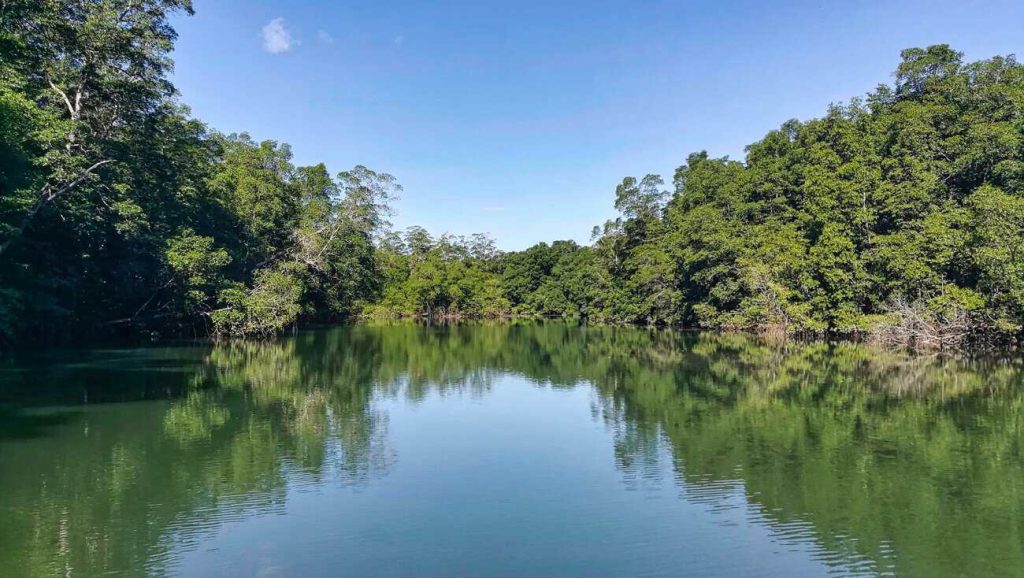
Mangrove fishing is inshore fishing in the channels, river mouths and root walls of a mangrove estuary, where fresh river water meets the sea. Instead of running far offshore, you cast close to structure (roots, fallen branches, rocks and sand flats) for fish like snapper, corvina, snook and jacks, and you time everything to the tide. In Panama, the Gulf of Montijo in Veraguas is the classic place to do it: locals call it “going fishing in Mutis”. Our boats leave from the Club Nautico de Veraguas in El Bongo, 5 minutes from Puerto Mutis.
Is Incoming or Outgoing Tide Better for Fishing?
In a mangrove estuary, both can fish well. What matters more is how big the tide is and when it turns. In the Gulf of Montijo the sea can rise and fall up to 6 meters, and that much moving water pushes bait around, stirs up the mud and pulls hard on your lure.
That is why our captains follow a simple rule, learned over years on this water: the days when the tide range is 13 feet (4 meters) or less are the best fishing days. Less current, clearer water and fish that stay put long enough to see your lure. Those smaller tides arrive about every two weeks, around the quarter moons, between the big tides of the new and full moon.

Watch the Turn of the Tide
Whatever the tide, keep an eye on the moment it turns. When the water stops rising or falling, the current slackens for a few minutes, and that change can switch on the whole bite, like it did in the story above. A good captain plans the day so you are already sitting on the right spot when it happens.
Where Do Fish Hide in the Mangroves?
Fish in an estuary are not spread evenly. They hold on structure, where the current brings them food and something hides them from bigger hunters. Learn to read these four kinds of water and you will know where to cast. To meet the fish themselves, read our guide to what lives in an estuary; to learn each species one by one, our Puerto Mutis fishing guide.

When Is the Best Time to Fish the Mangroves?
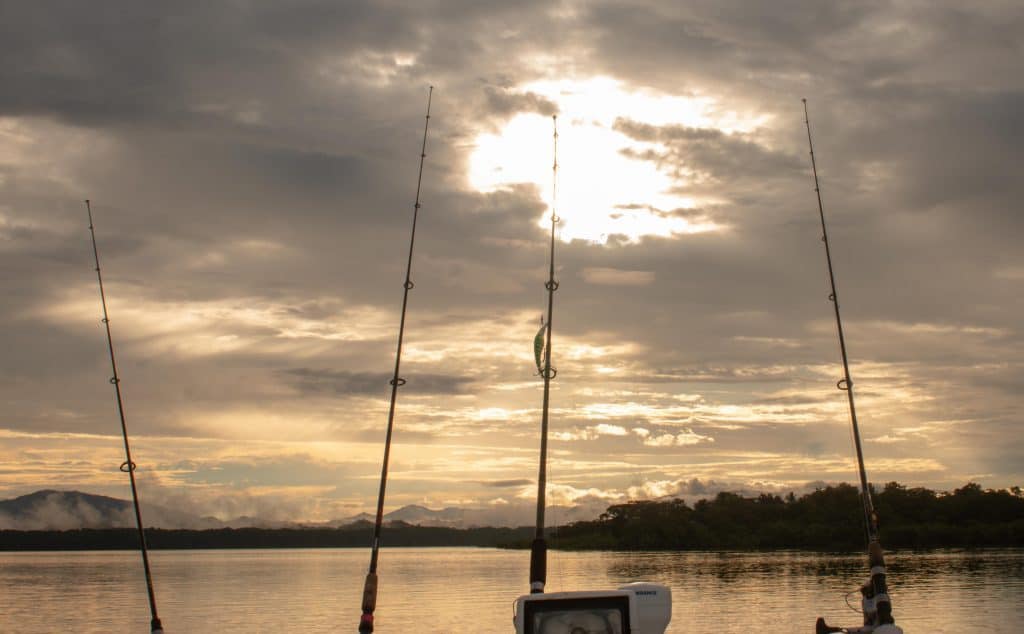
Live Bait or Lures? What We Use in the Mangroves
On our boats we fish with artificial lures, unless you ask for live bait when you book. Lures mean more casting and more skill, and they are cleaner: a fish that hits a lure is usually hooked in the mouth, which makes it easier to release. If you would rather fish with live bait, tell us and we will arrange it (it is not included in the price).
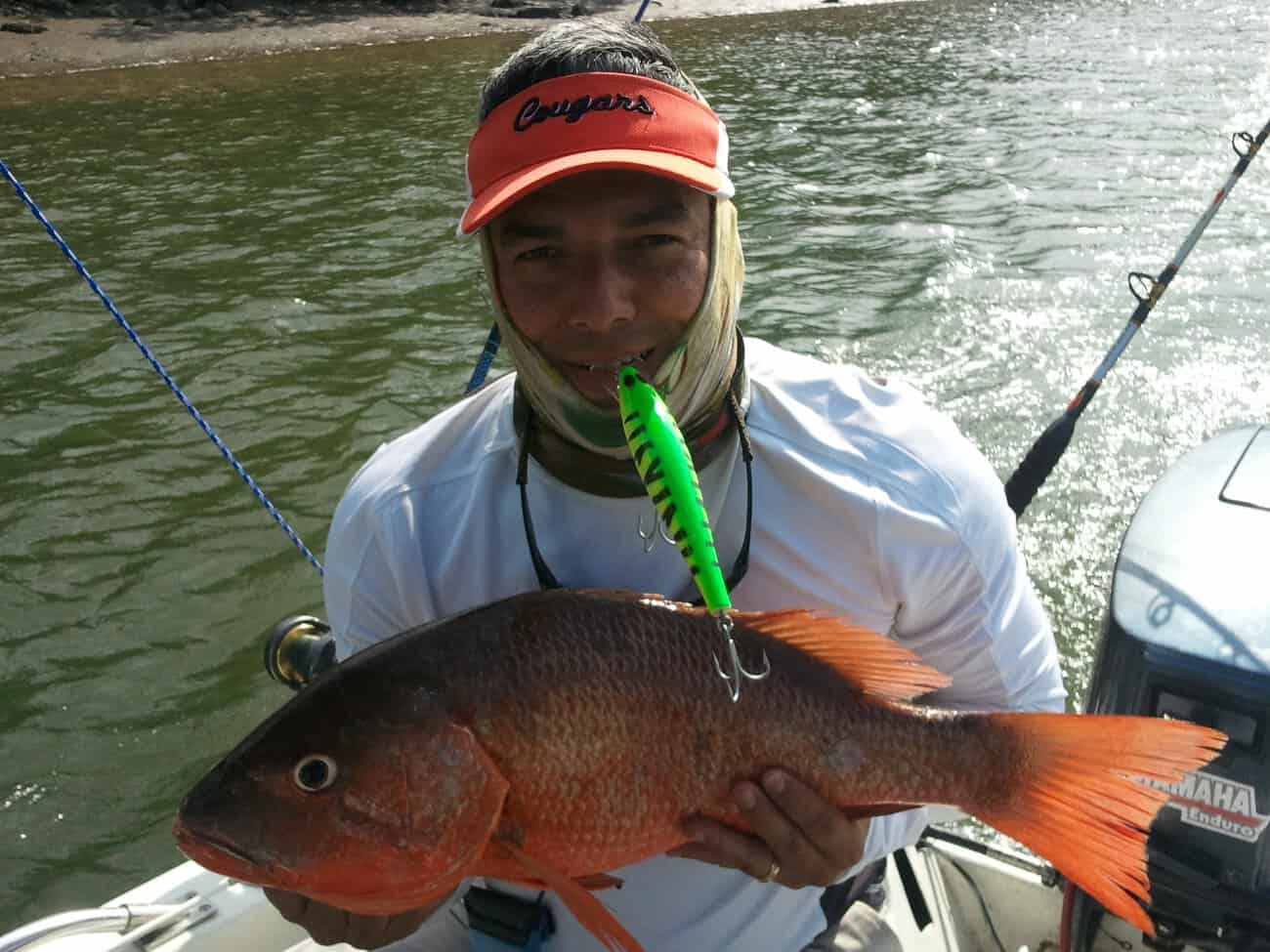
Why Catch and Release Matters in an Estuary
An estuary is a nursery. In tropical estuaries that scientists have studied, almost all the snappers and groupers they find are young fish that have not bred yet, and the Gulf of Montijo is a nursery for groupers too. Keep the wrong fish and you are not taking one fish: you are taking every fish it would have made.
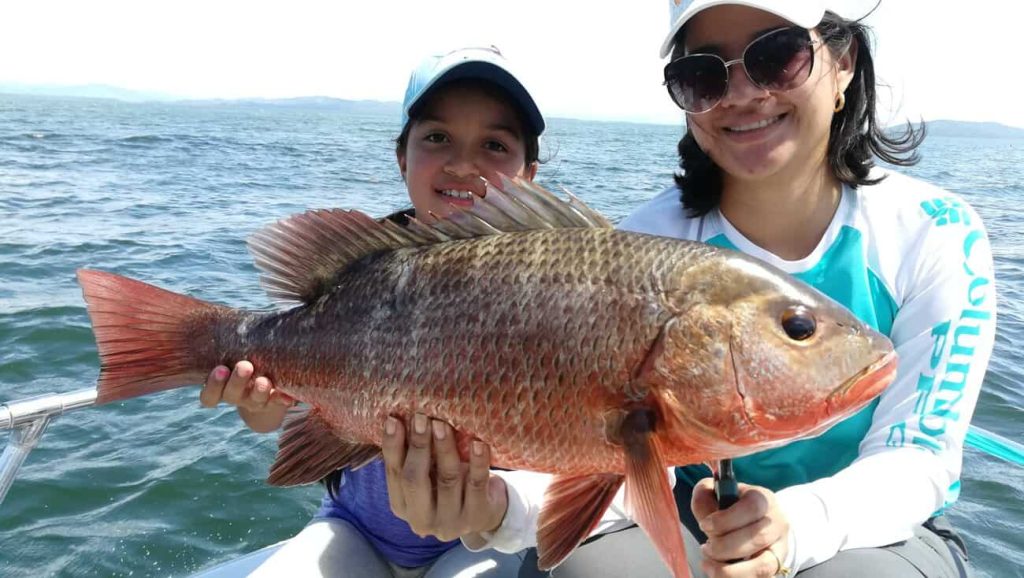
You can still take fish home for dinner, within the limits of Panamanian law; your captain tells you how many on board. Everything else goes back. The gulf’s own fishers already live by this kind of rule: the women of Isla Leones respect a minimum size and closed seasons for the black clam, and they stop fishing lobster during the closed season. Their story is in the ocean’s nursery.

How to Release a Fish So It Survives
Letting a fish go is not the same as throwing it back. These four habits make the difference, and the fishing assistant on board will help you with every fish:
Do You Need a Fishing License in Panama?
Everyone who fishes in Panama needs a sport fishing license, unless they fish with a licensed operator like us. Our captains’ tourism license covers your temporary license, so there is no paperwork for you. Just bring your passport.
Fish the Estuary With a Local Captain
Reading the tide, the rocks and the roots takes years. Or one day on a boat with a captain who has fished these channels for years. This is our private inshore trip in the Gulf of Montijo:
Bring your own food and drinks, reef-safe sunscreen and clothes that cover you from sun or rain. Here is our full list of what to wear and bring on a boat tour.

Frequently Asked Questions
Is incoming or outgoing tide better for mangrove fishing?
Both can work in a mangrove estuary. In the Gulf of Montijo, the size of the tide matters more: our captains prefer days with a tide range of 13 feet (4 meters) or less, and they watch the turn of the tide, when the current slows and the fish often start feeding.
What fish can you catch in the mangroves of Panama?
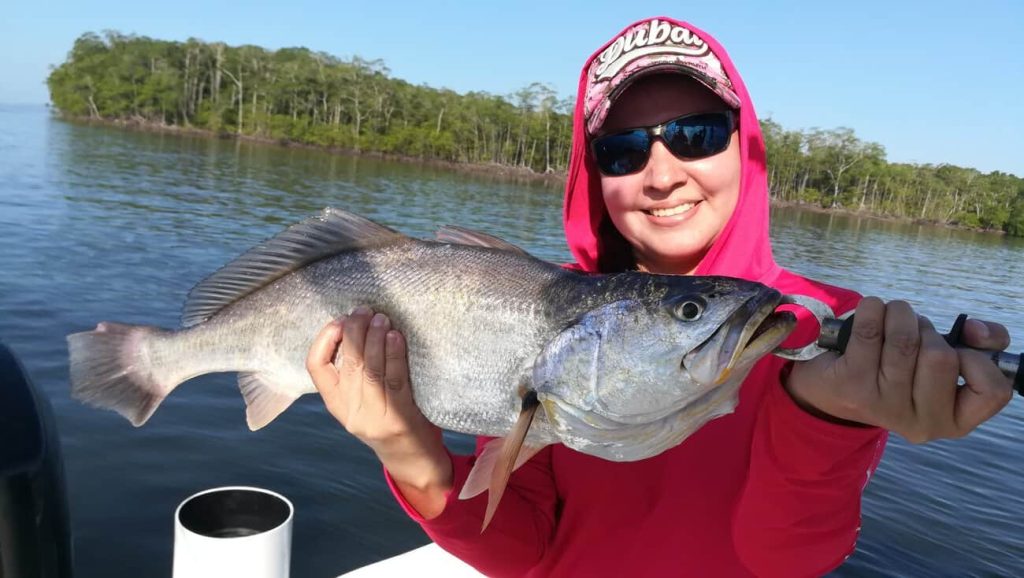
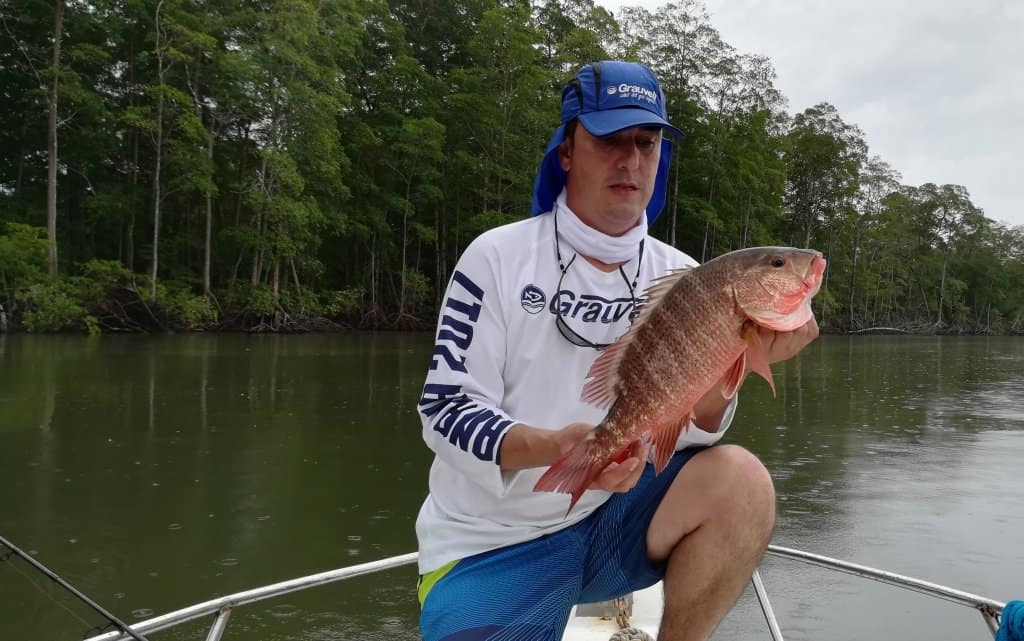
In the Gulf of Montijo the most common catches are yellow corvina and red snapper. Snook is the trophy, and you can also hook cubera snapper, rock snapper, jacks, pompano and groupers, which are always released.
What is the best time to fish an estuary in Panama?
The early morning hours, in the dry season from mid-December to the end of April, on a day with a small tide. The Gulf of Montijo can be fished all year.
Do you use live bait or lures for mangrove fishing?
We fish with artificial lures. Live bait can be arranged if you ask when you book, but it is not included in the price.
Do I need a fishing license to fish the mangroves in Panama?
Everyone who fishes in Panama needs a sport fishing license, unless they fish with a licensed operator like Pacific Adventure Tours. Our captains’ tourism license covers your temporary license, so there is no paperwork for you.