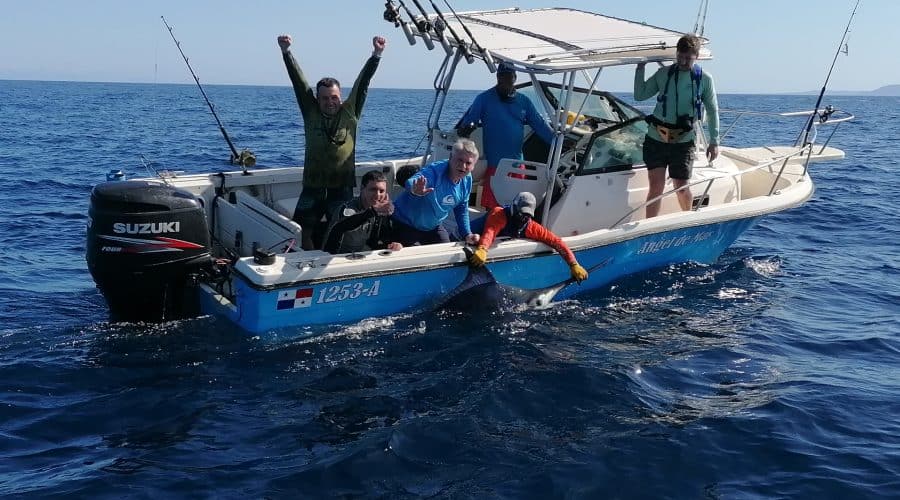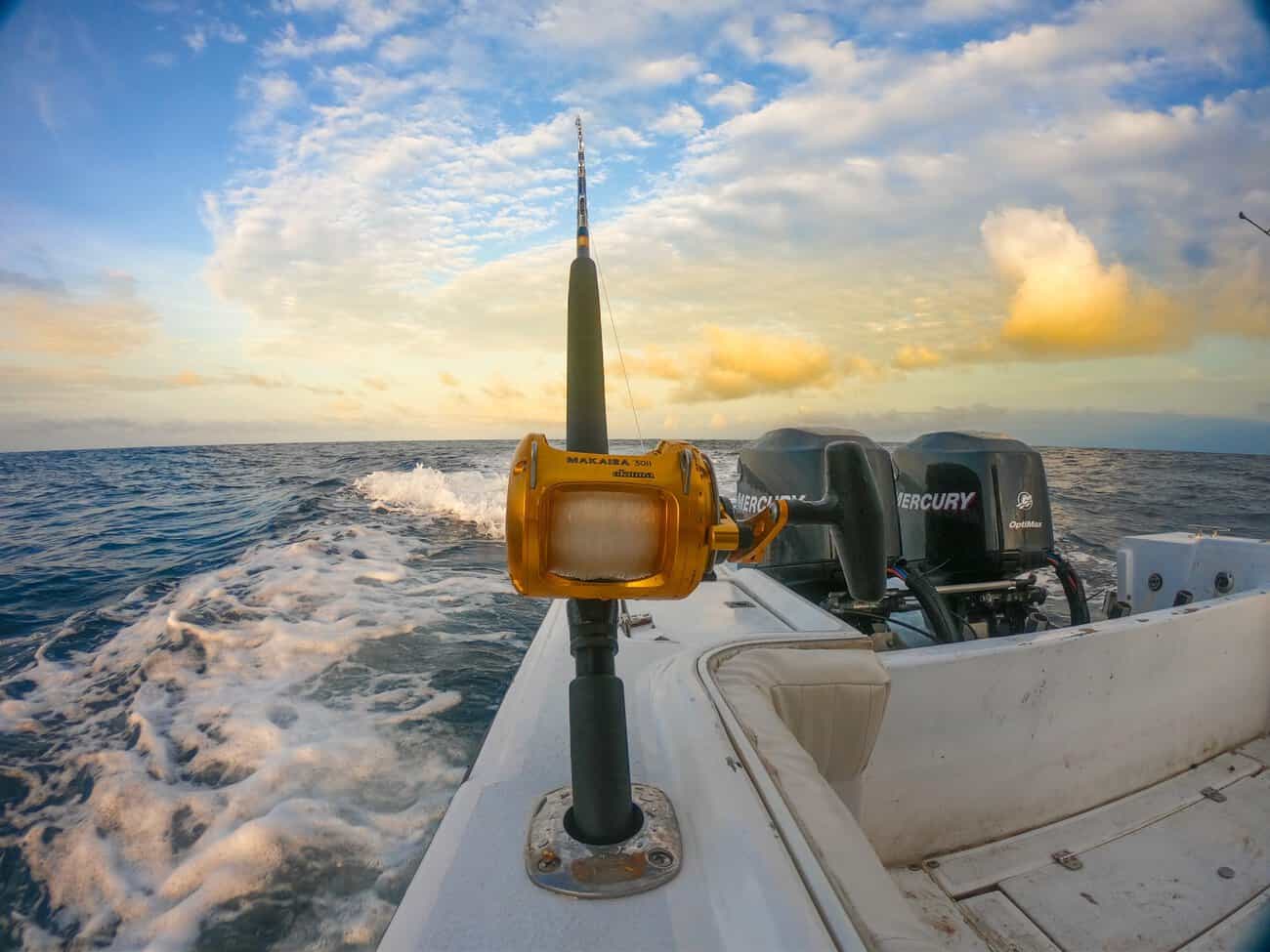


Panama is a small country with an unfair amount of water. Two oceans, the lakes that feed the Panama Canal, hundreds of rivers and estuaries, and a Pacific coast lined with islands, seamounts and national parks. Add warm weather all year and you get one of the best sport fishing destinations on the planet.
Here’s the thing, though: “Panama” is not one fishing spot. A day chasing wahoo off Coiba has nothing in common with a morning casting for snook in the mangroves. This guide shows you where to fish, what bites and when, and how to pick the trip that fits you.
Two Oceans, One Narrow Country
Panama is the bridge of the Americas: at its narrowest point, only about 80 km of jungle separate the Pacific from the Caribbean. You can have breakfast with a Pacific breeze and dinner looking at the Caribbean Sea.
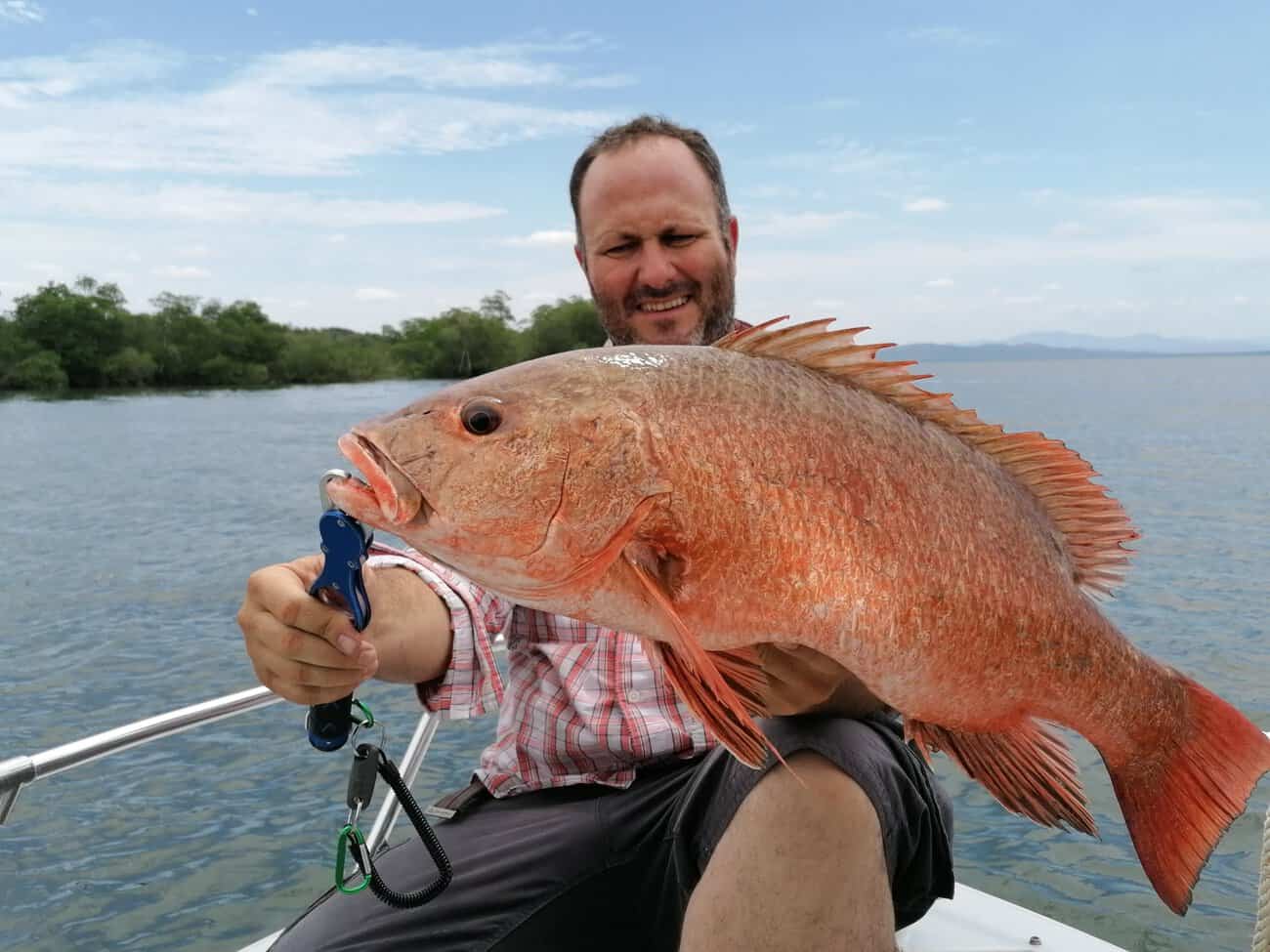
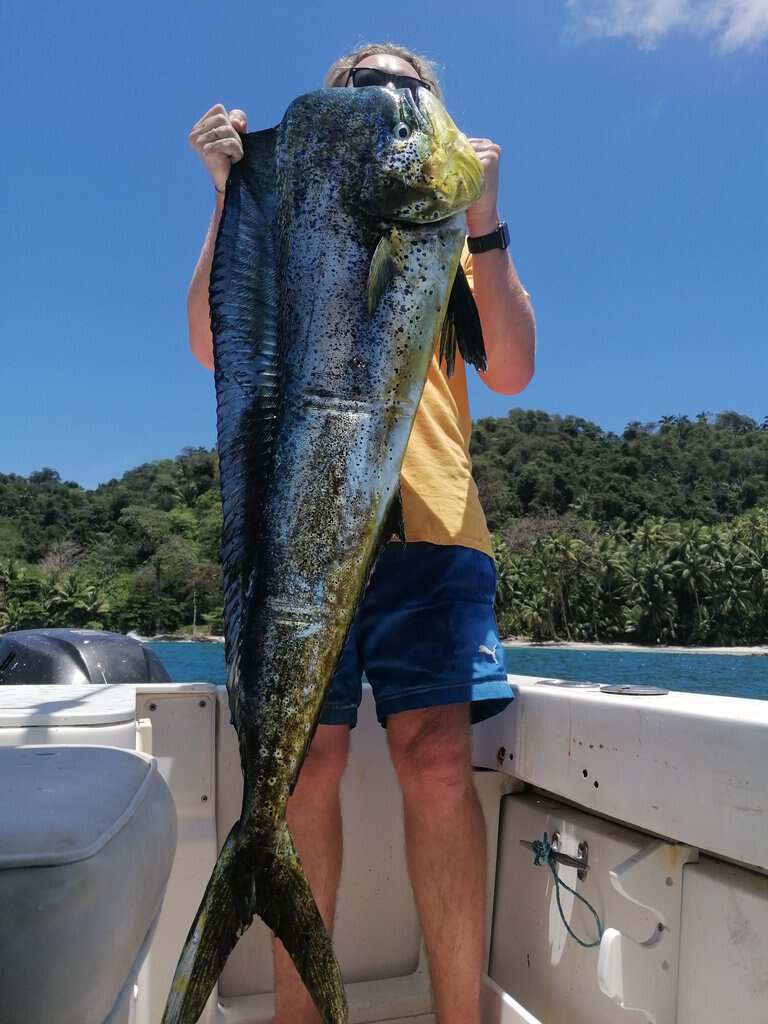
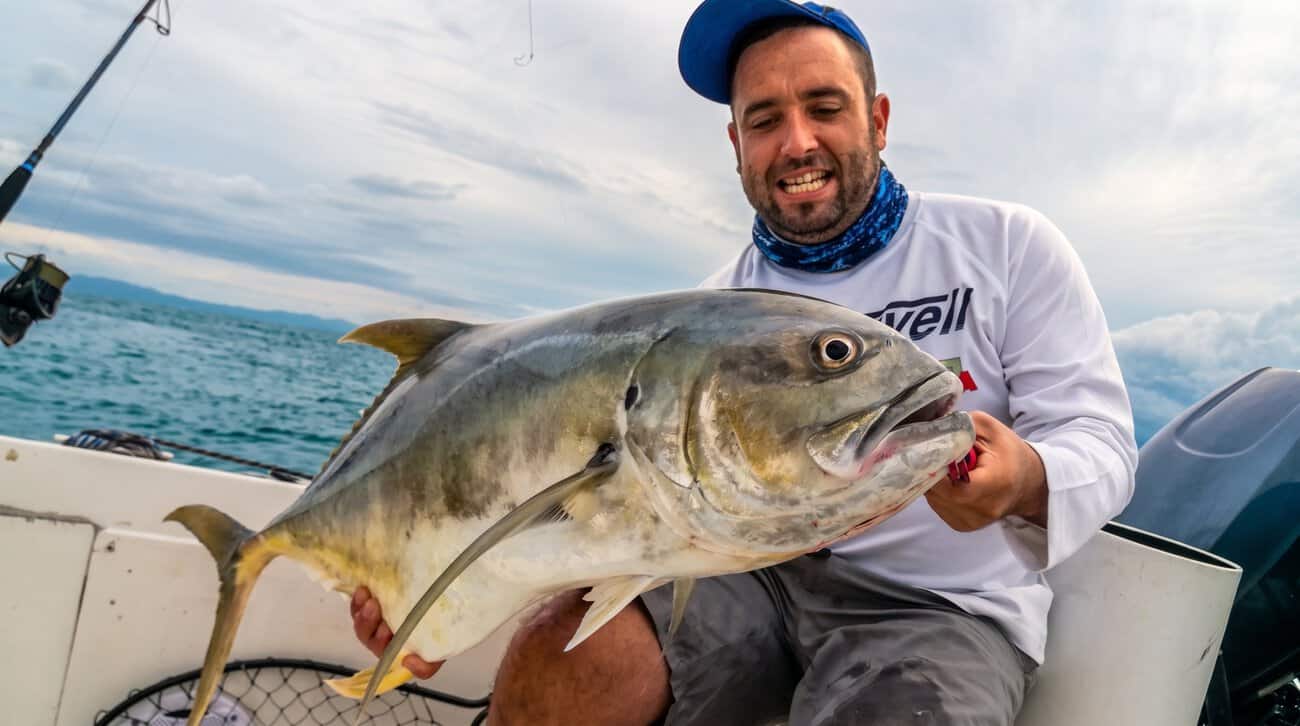
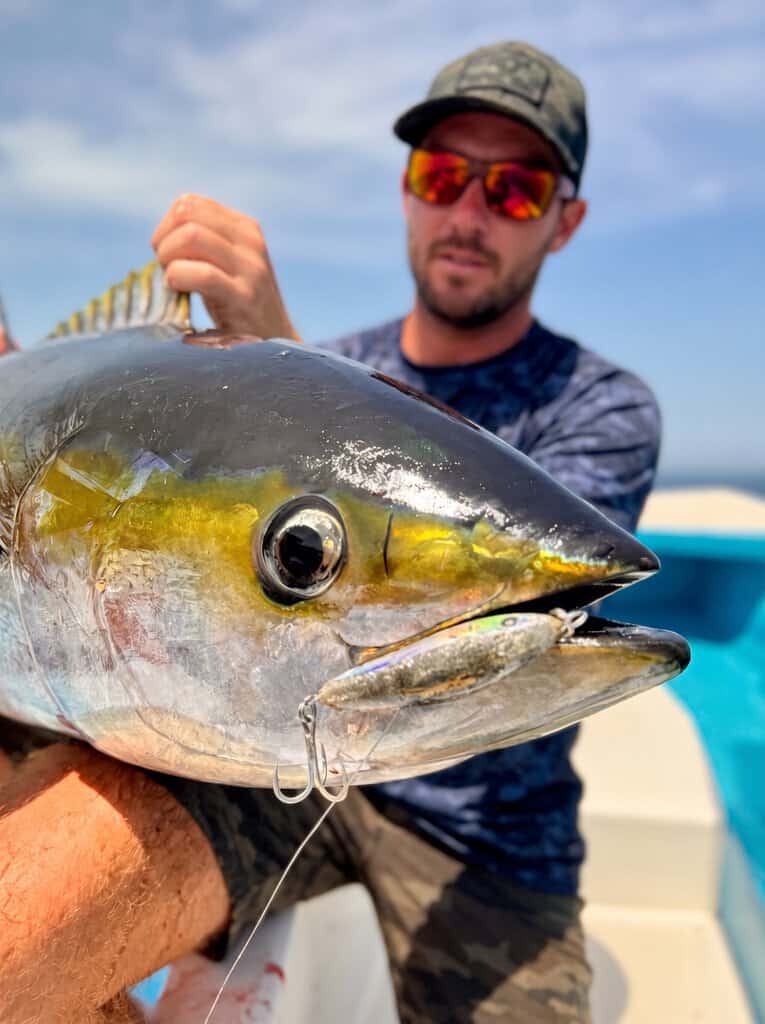
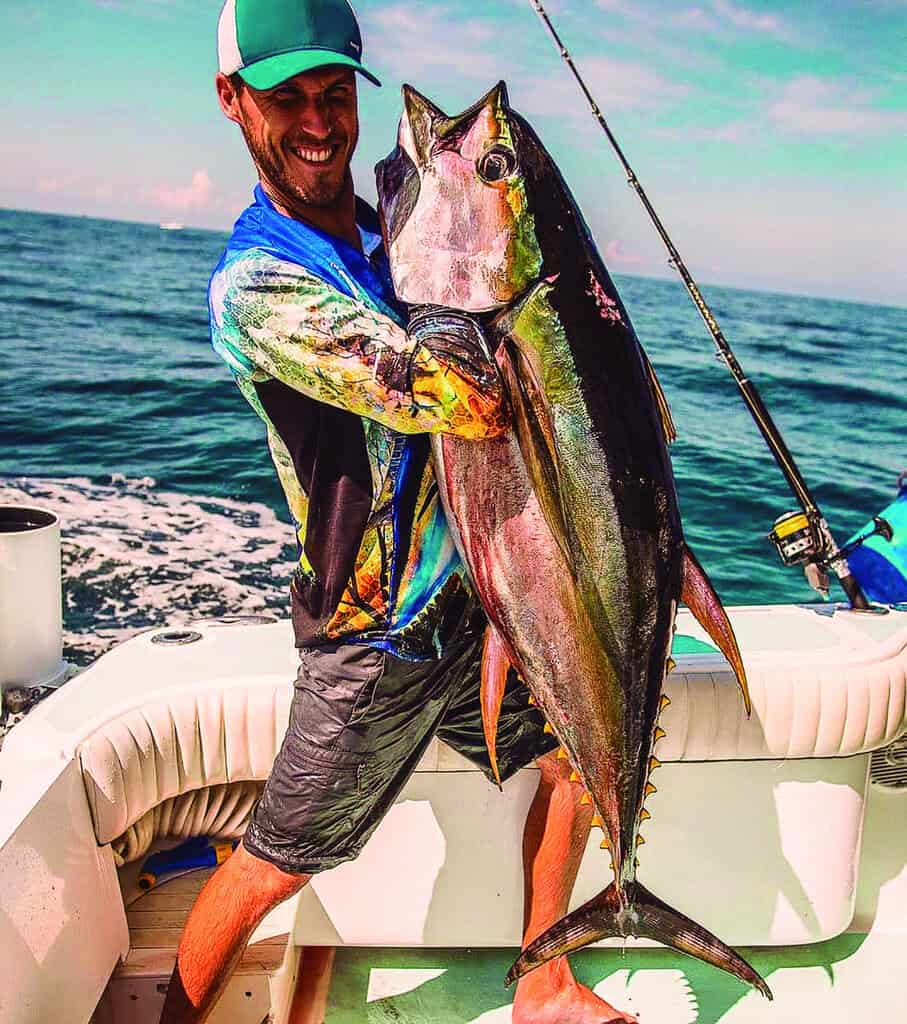
For anglers, the Pacific side is where the action is. Deep water close to shore and protected areas like Coiba National Park keep the bait (and the predators) around. Waters off Coiba, Jicaron, Montuosa, Hannibal Bank, Pinas Bay and Las Perlas are famous for wahoo, yellowfin tuna, mahi-mahi, snapper, amberjack and billfish. Search the International Game Fish Association world records and you’ll find Panama again and again.
Choose Your Fishing Zone
All our fishing trips are private: one boat, your group, up to 4 anglers, and a price per boat, not per person. Pick the water first; we take care of the rest.
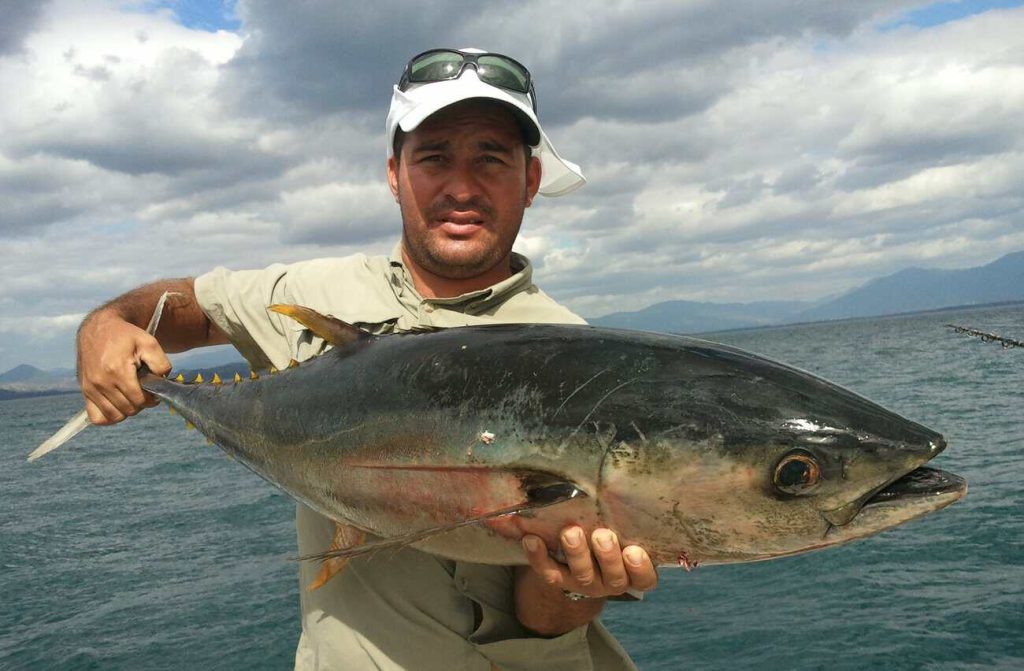
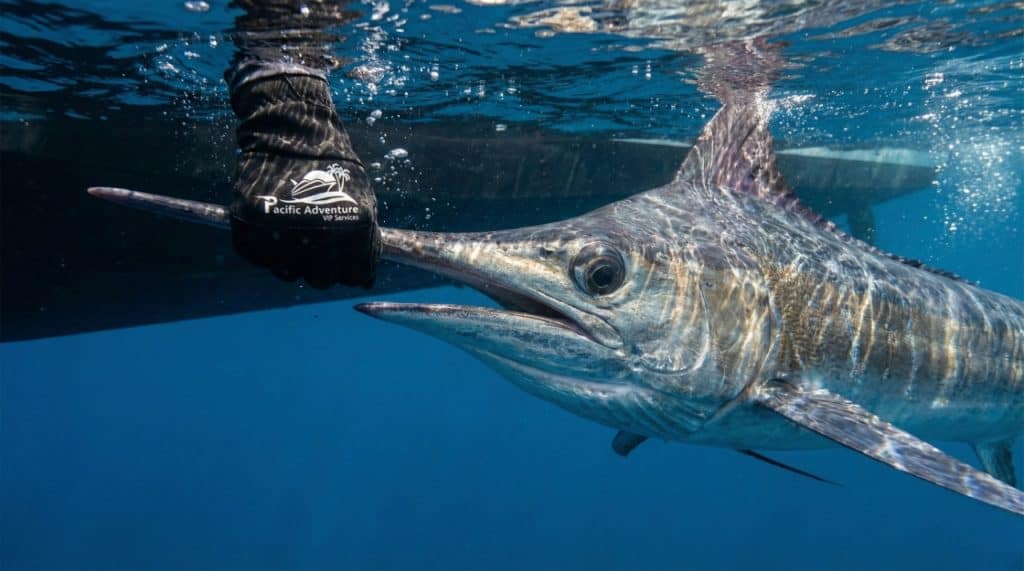
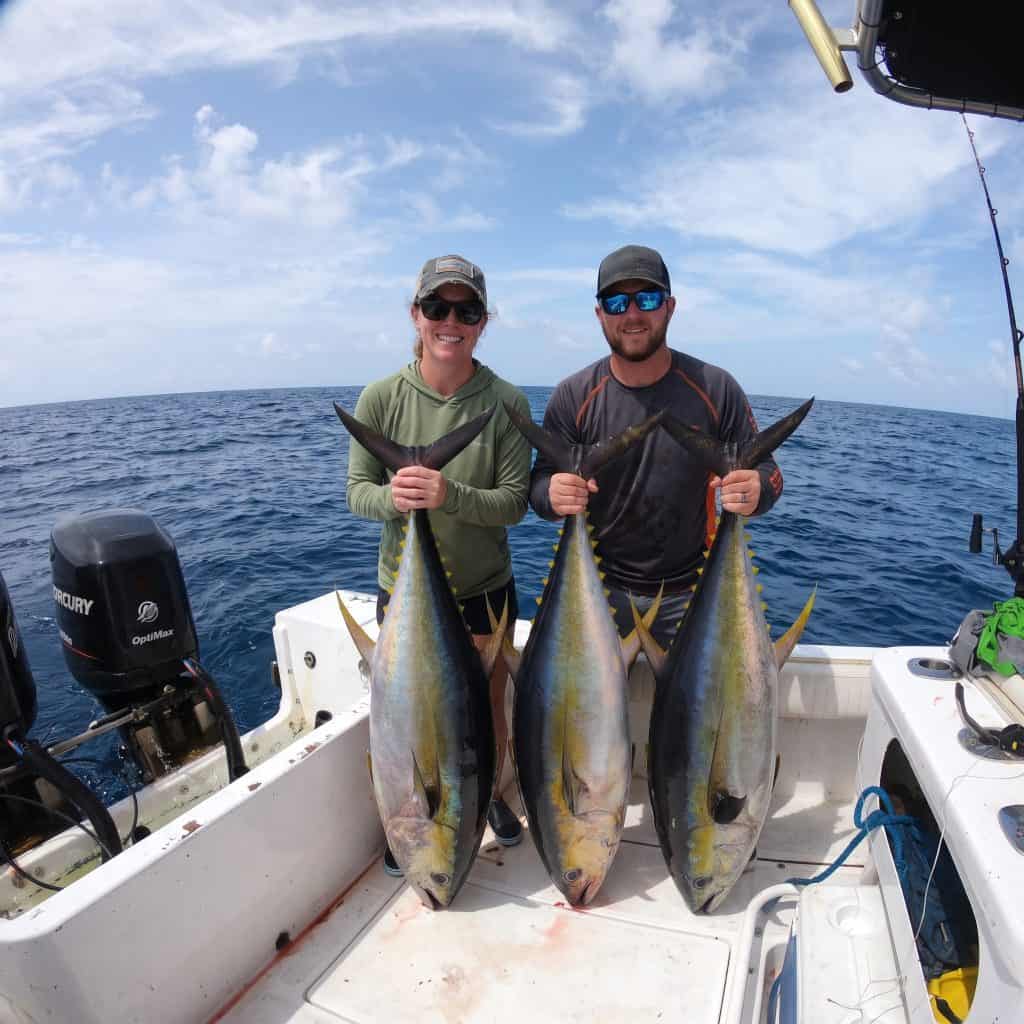
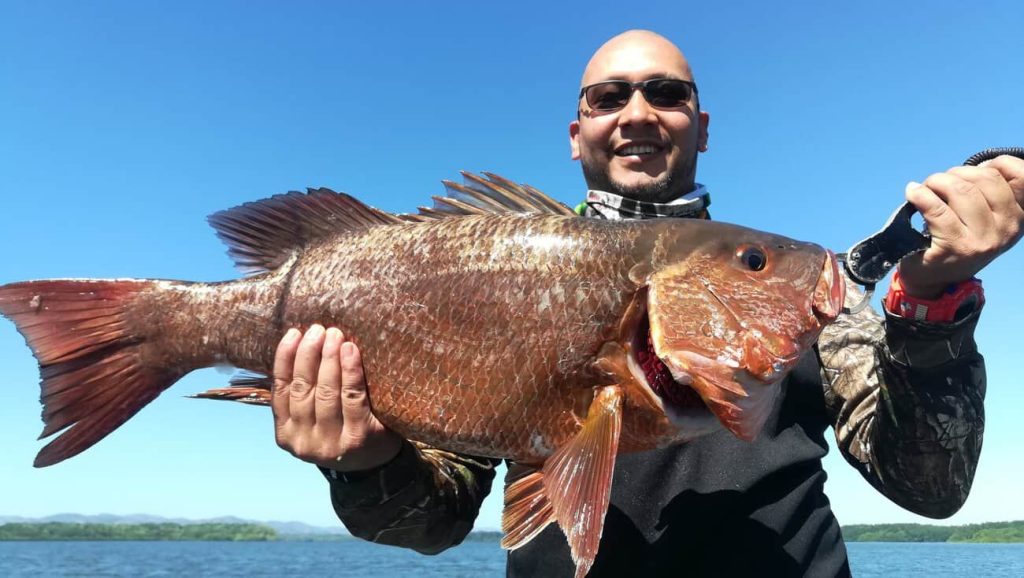
What Bites, and When
You can fish Panama’s Pacific any month of the year. What changes is the headliner:
- All year: snapper, amberjack and small to medium yellowfin tuna. The reliable crew.
- December to April: peak season for marlin and sailfish, with calm seas and dry weather.
- May and June: the big yellowfin tuna show up at Hannibal Bank with the cold currents.
- May to mid-December: mahi-mahi season, through the rainy months.
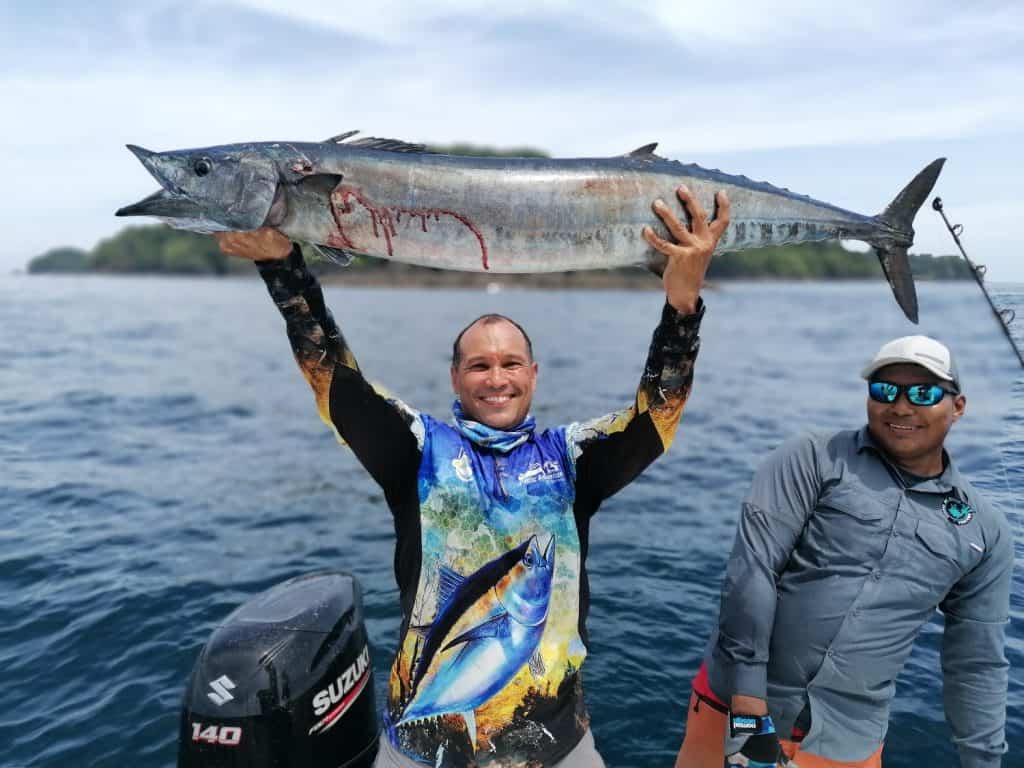
- September: one of the best months for wahoo, especially around Punta Mariato and El Sombrero.
Inshore or Offshore?
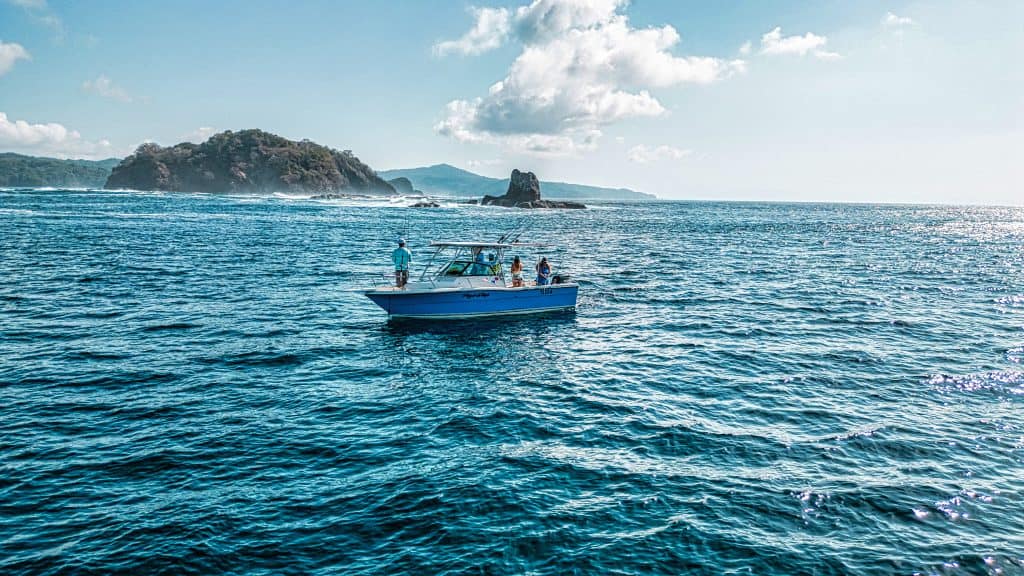
Inshore means rocks, reefs, river mouths and mangroves, close to land: snapper, amberjack, corvina and snook. It’s great for families, beginners and anyone who’d rather spend the day fishing than running. The Gulf of Montijo fishing charter is 100 % inshore.
Offshore means blue water, trolling and drift lines, birds working over bait: tuna, wahoo, mahi-mahi and billfish. The Coiba fishing day trip and the Hannibal Bank charter live out there.
Can’t decide? Our Cebaco and Mariato fishing trip does both in the same day: inshore pinnacles in the morning and open water when the birds show up.
Do You Need a Fishing License in Panama?
Yes. Everyone who fishes in Panama needs a sport fishing license, unless you fish with an authorized company like Pacific Adventure. Our captains’ tourism license covers the temporary licenses of our guests, so there’s no paperwork for you.
More Than Fish
Out on the water you’ll often share the view with bottlenose dolphins, sea turtles, frigatebirds and, from July to October, humpback whales with their calves. More than one angler has put the rod down to watch a whale breach next to the boat.
And after the fishing? Lunch on a quiet beach (a lunch box, or a beach BBQ if you book it ahead), a swim, and the ride home with the sun going down.
Catch, Photo, Release
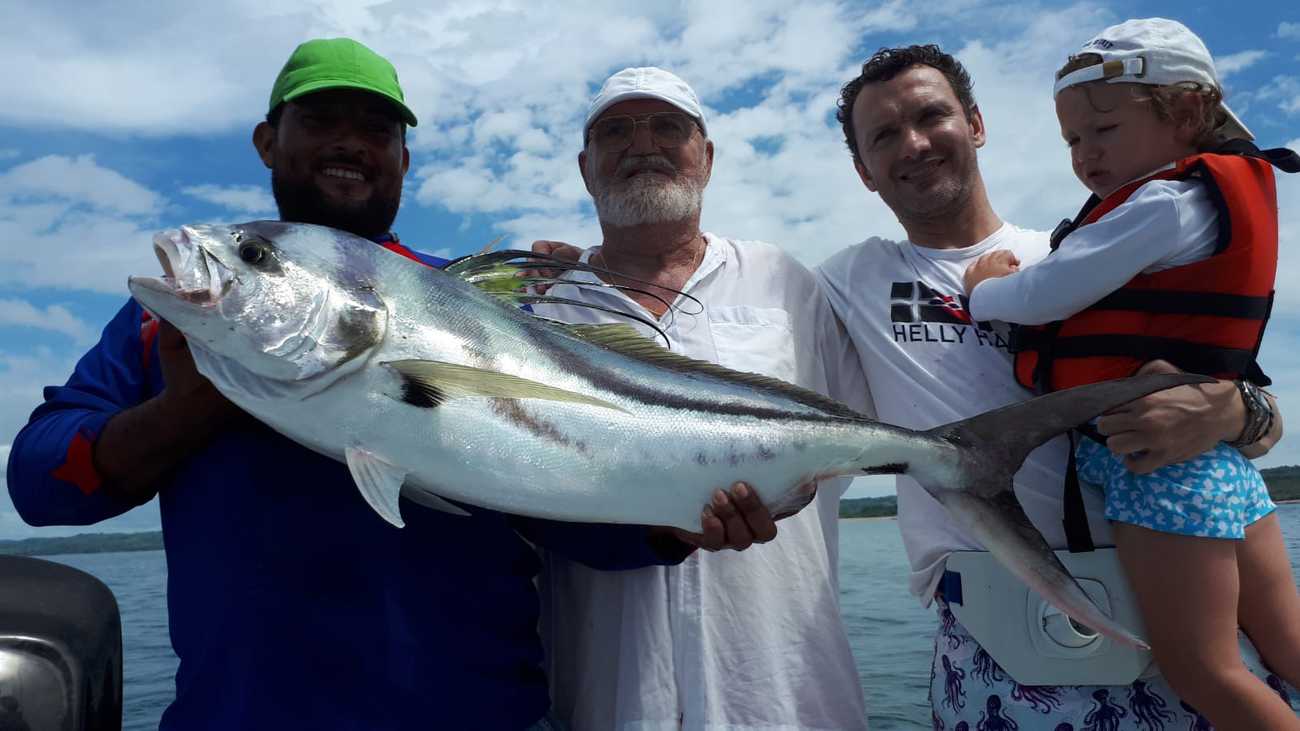
We release most of our catches and every threatened species. Keep one for dinner if you like; let the rest fight another day. Every release helps keep Panama’s coast full of fish for the next angler, and for the communities that live from the sea.
One Boat, Your Group, Your Hours
We don’t run shared trips. You get the boat, the skipper and a fishing captain who helps everyone on board, beginners included. Departure time is agreed with you, from El Bongo (5 minutes from Puerto Mutis) or Santa Catalina.
Our captains’ favorite day
Jicarita and Jicaron, at the southern edge of Coiba.
Two remote islands surrounded by deep water: wahoo, tuna, big snapper and, with luck, a marlin. Private boat for up to 4 anglers, $1,700 per boat.
Frequently Asked Questions About Sport Fishing in Panama
Where is the best sport fishing in Panama?
On the Pacific coast. Coiba National Park, Jicarita and Jicaron, Hannibal Bank, Cebaco Island, Mariato and Pedasi are among the best spots for offshore species, and the Gulf of Montijo is excellent for inshore fishing.
When is the best time for sport fishing in Panama?
Sport fishing in Panama works all year. Marlin and sailfish peak from December to April, big yellowfin tuna arrive at Hannibal Bank in May and June, and mahi-mahi run from May to mid-December.
Do I need a fishing license to fish in Panama?
Yes, everyone who fishes in Panama needs a sport fishing license, unless they fish with an authorized company like Pacific Adventure, whose captains’ tourism license covers the temporary licenses of visitors.
How much does a private fishing charter in Panama cost?
| Trip | Type | Per boat | |
|---|---|---|---|
| Gulf of Montijo | Inshore · 1 day | $450 | See the tour → |
| Pedasi, the Tuna Coast | Offshore · half or full day | $650 – $950 | See the tour → |
| Cebaco & Mariato | Inshore & offshore · 1 day | $1,200 – $1,500 | See the tour → |
| Coiba National Park | Offshore · 1 day | $1,500 | See the tour → |
| Jicarita & Jicaron (Coiba) | Offshore · 1 day | $1,700 | See the tour → |
| Hannibal Bank | Big game · 1 to 3 days | $1,700 – $4,000 | See the tour → |
| Two days in Cebaco or Mariato | All-inclusive · 2 days, 1 night | $1,900 – $1,999 | See the tour → |
Can beginners go sport fishing in Panama?
Yes. Besides the skipper, a fishing captain comes on board to help everyone, so beginners and kids can fish in Panama too. Inshore trips like the Gulf of Montijo are the easiest way to start.
Planning your trip? Read how to get to Coiba, our Puerto Mutis fishing guide and what to wear on a boat trip.