


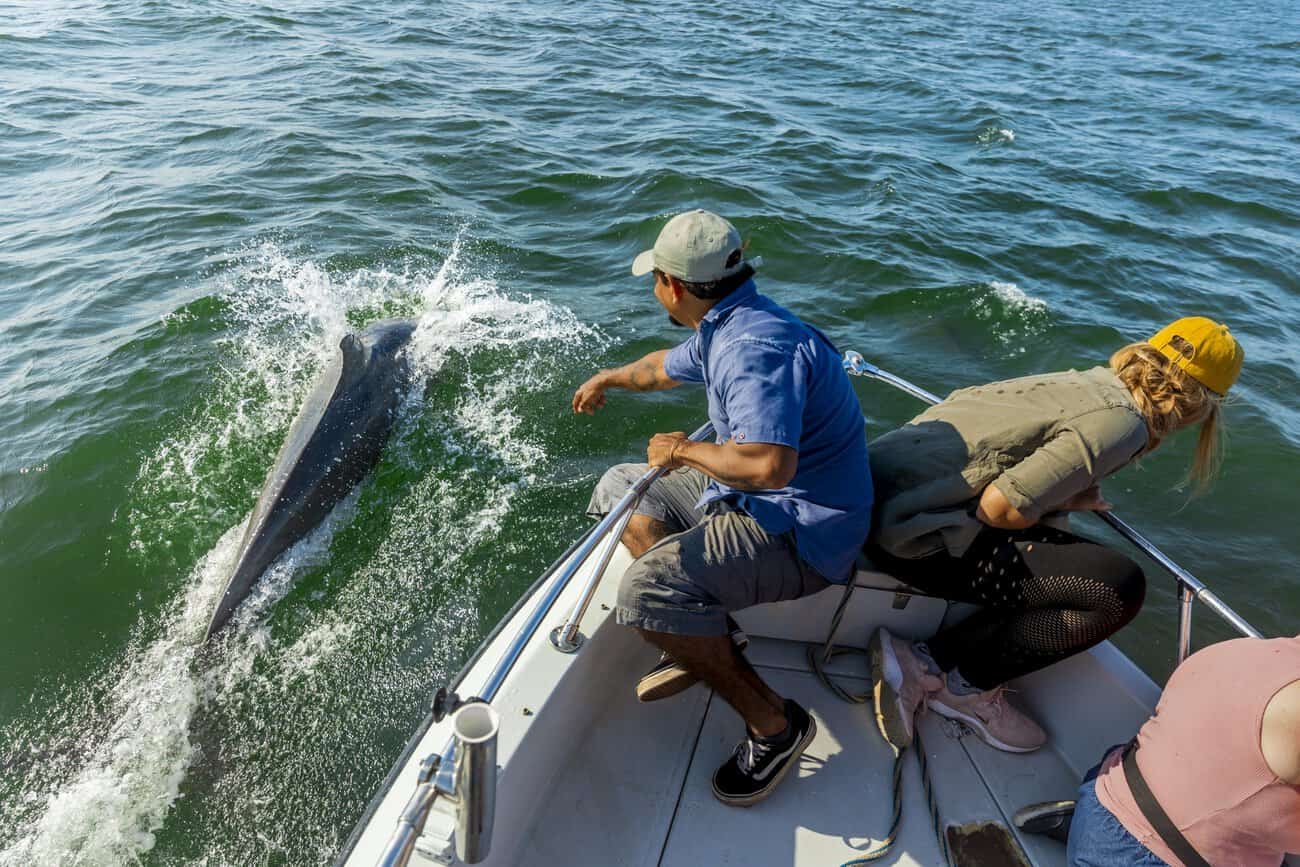
The captain’s first look of the day is not at the sky. It is at the tide table.
In the Gulf of Montijo the sea rises and drops up to six meters every six hours. Channels that are wide open at dawn turn into mud by noon, and beaches that did not exist at breakfast appear right before lunch. Out here, the tide writes the itinerary. Here is how it usually reads, and which beaches it opens for you.
Where Is the Gulf of Montijo?
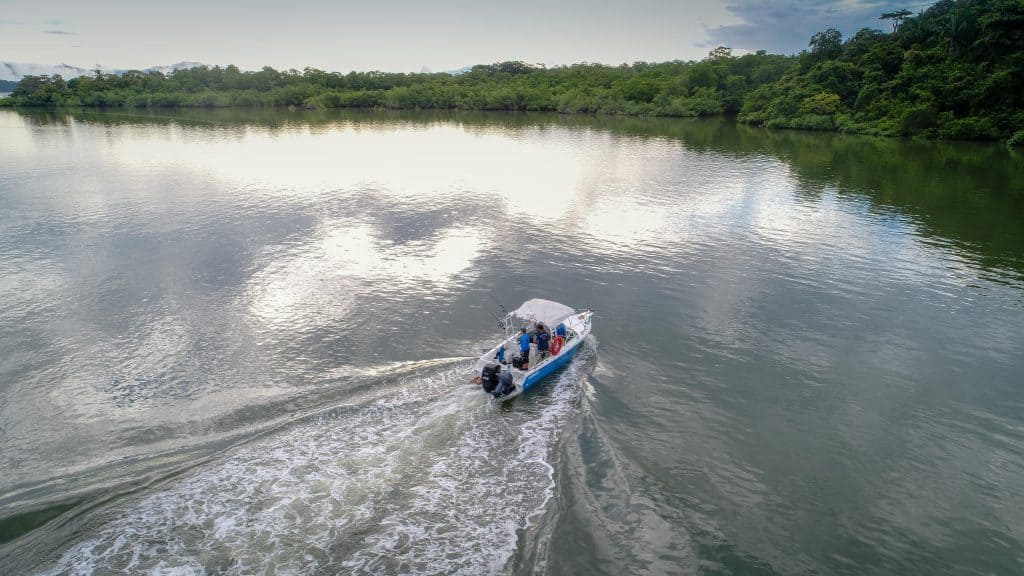
On the Pacific coast of Veraguas, in central Panama, about 30 minutes from Santiago de Veraguas and around 4 hours by car from Panama City. Boats leave from the Club Náutico de Veraguas in El Bongo de Montijo, 5 minutes from Puerto Mutis. Cebaco Island closes the gulf to the south, and Coiba National Park waits beyond it.
Your Day, Tide by Tide
No two days in the gulf follow the same script. The tide decides which channels are open and which beaches show up, so our captains plan the route the night before. This is what a typical day looks like.
The Beaches of the Gulf of Montijo
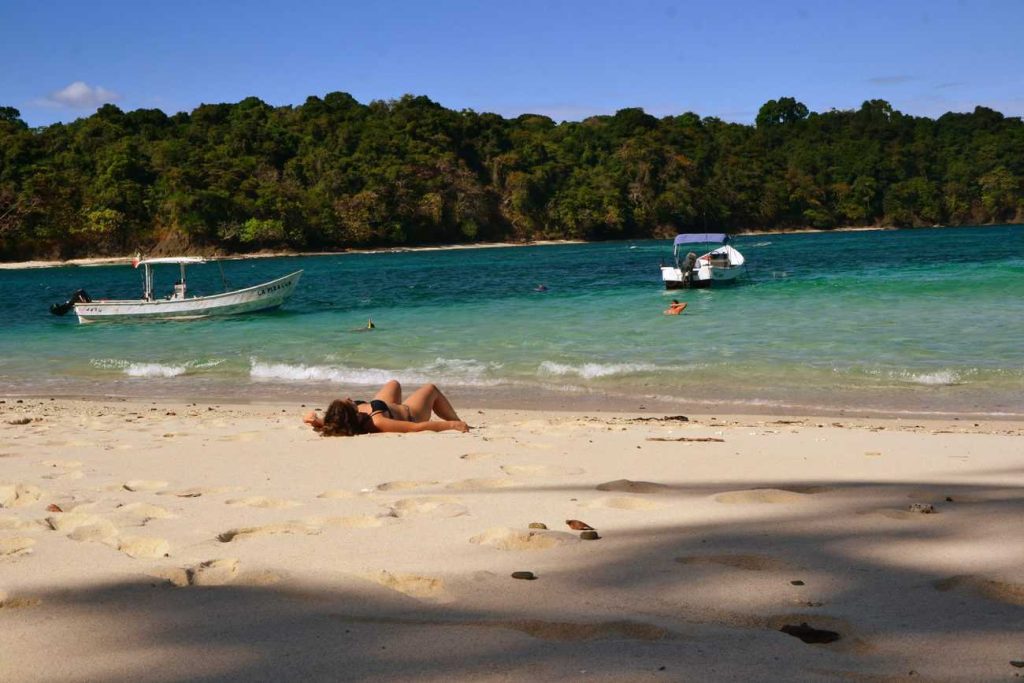
Here is the surprise for most visitors: a gulf famous for its mangroves also has island beaches, and almost nobody on them. These are the ones we visit most.

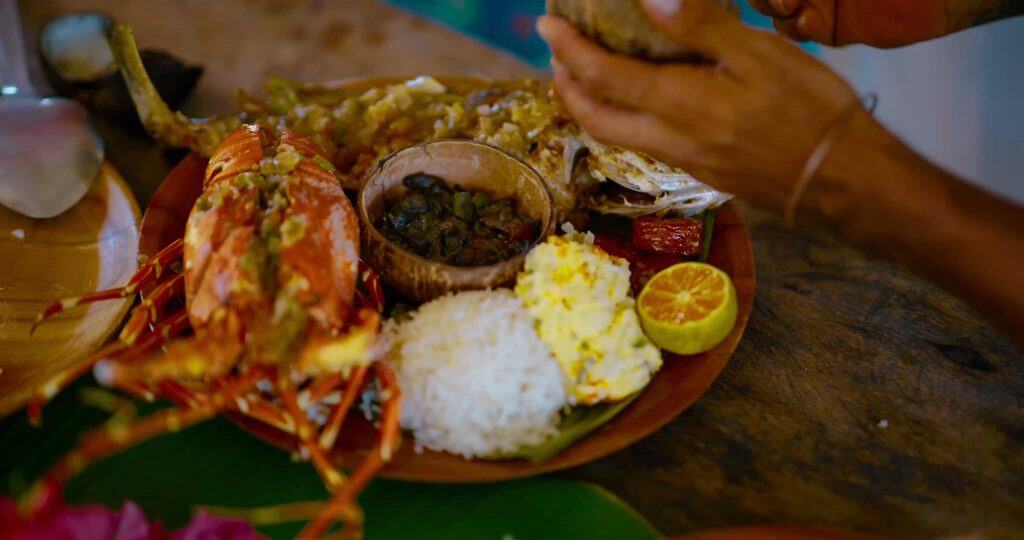
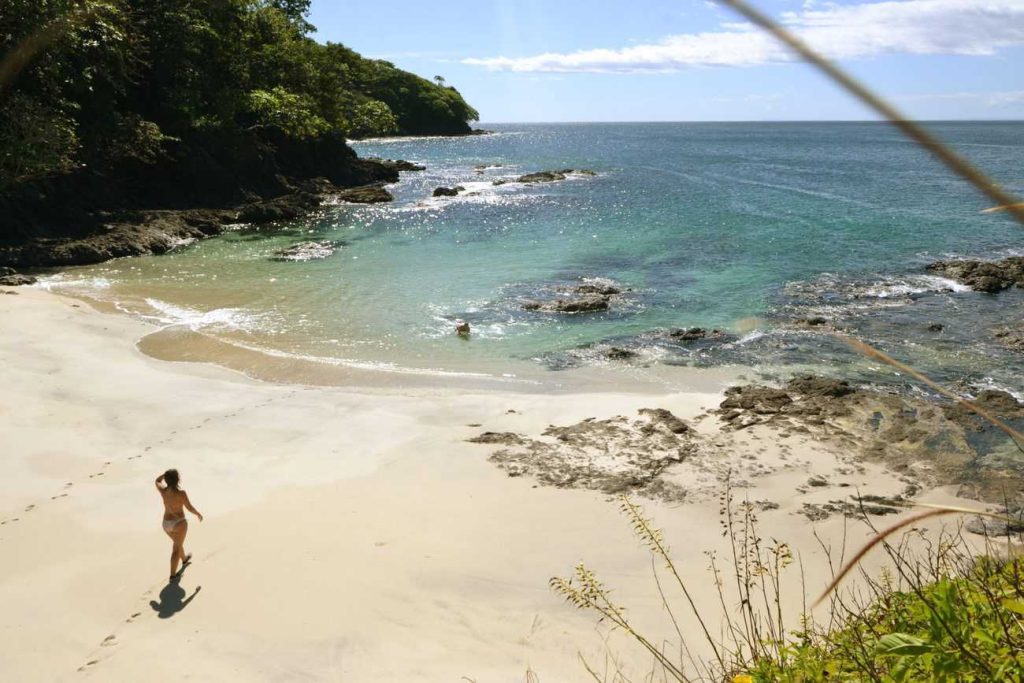
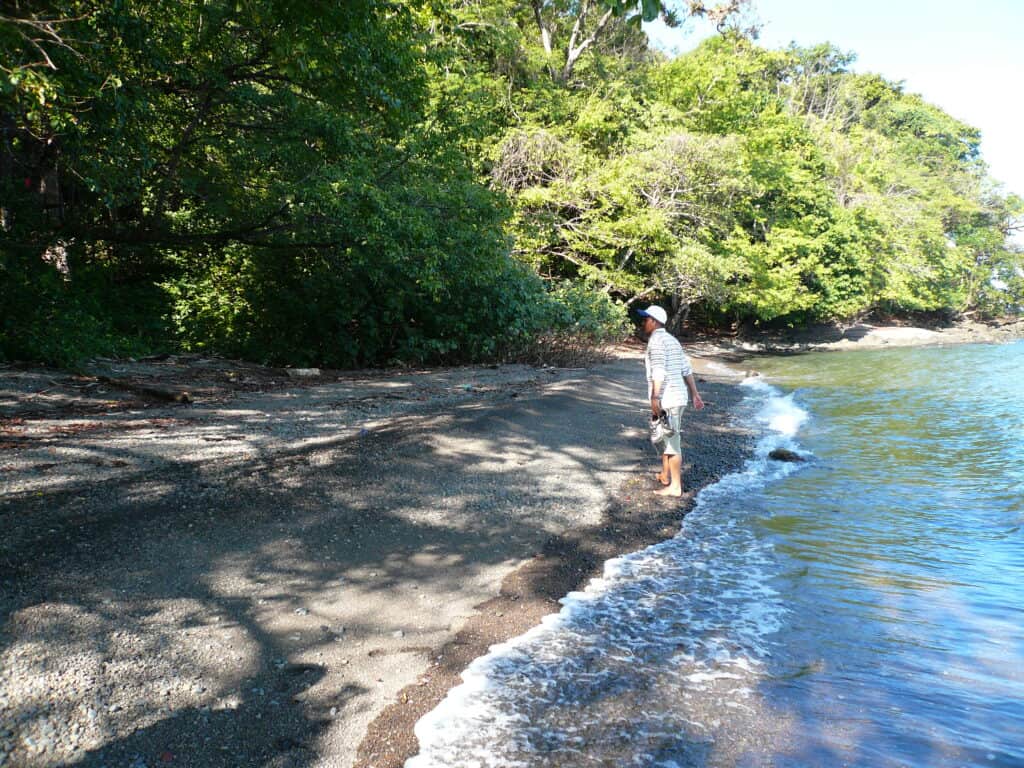
We visited an uninhabited island with turquoise water, completely wild and free of trash. Then we went to another island where a family of fishermen goes out to fish just to cook for you.
Guillermo Pablo Cuervo López, Google review
Who Shares the Water With You
What to Bring for a Day in the Gulf
Sunscreen (reef-safe if you have it), a hat, sunglasses, insect repellent for the mangroves, a swimsuit, a towel, a reusable water bottle and a light rain jacket from May to December. Shoes that can get wet help when we land on the islands. Here is our full list of what to wear and bring on a boat tour.
Two More Ways to Spend It
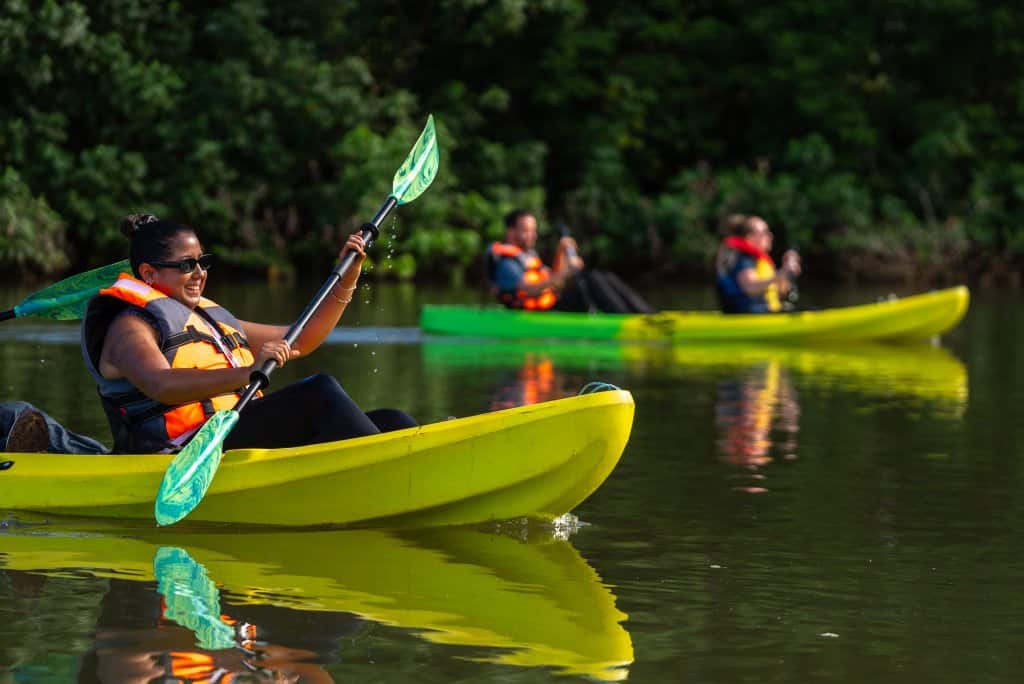
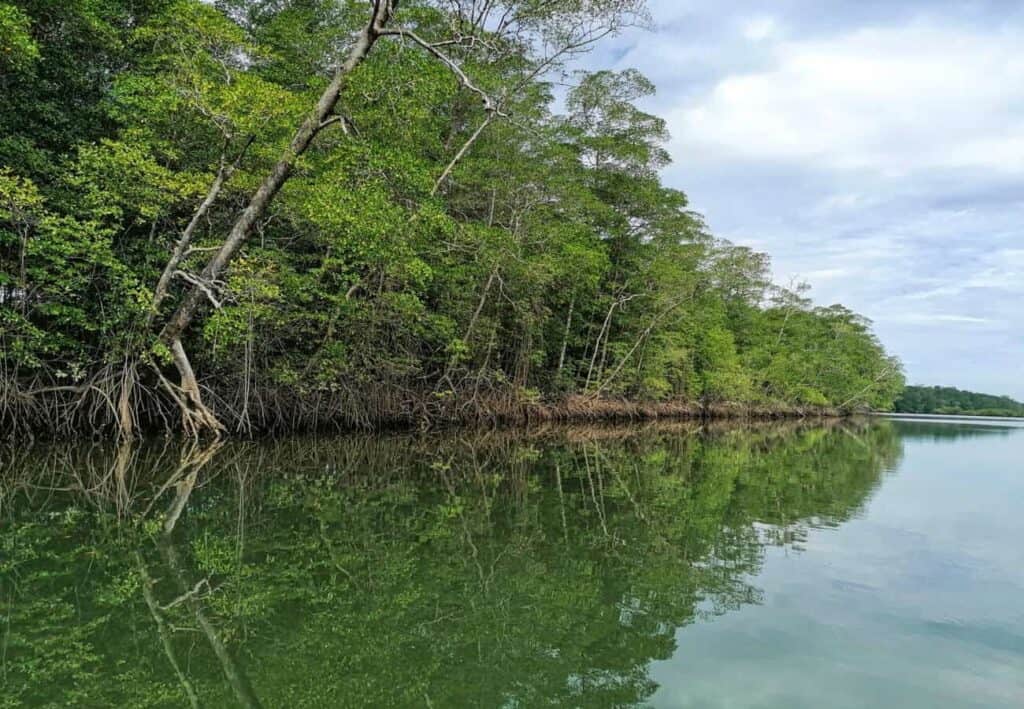
Red, black and white are not the only mangroves out there: the gulf has a fourth one, the buttonwood. Meet all four, plus the reason the mud smells the way it does, in 10 fun mangrove facts.
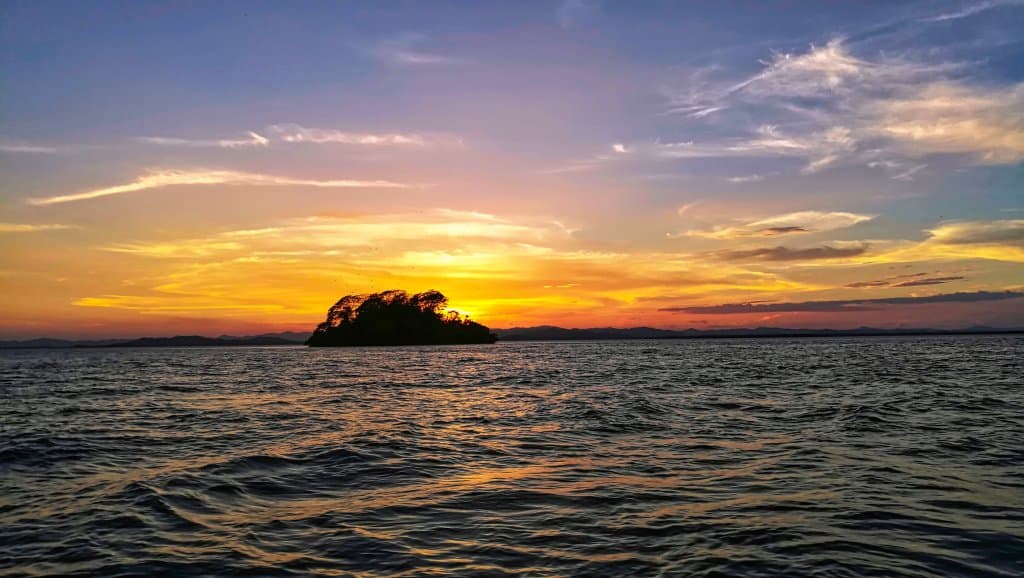
If your day in the gulf starts early, this is what you will hear before breakfast: a sunrise in the estuary, minute by minute.
Frequently Asked Questions
Are there beaches in the Gulf of Montijo?
Yes. Besides its mangroves, the Gulf of Montijo has island beaches such as Tres Islas, Isla Leones, Isla Gobernadora and Cebaco Island, which closes the gulf to the south. Most are only reachable by boat, so they are usually empty.
How do you get to the Gulf of Montijo?
Drive to Montijo, about 30 minutes from Santiago de Veraguas and around 4 hours from Panama City. Gulf boat tours leave from the Club Náutico de Veraguas in El Bongo, 5 minutes from Puerto Mutis.
How many islands are in the Gulf of Montijo?
Fewer than ten. The best known are Cebaco, Gobernadora, Isla Leones, Tres Islas, Isla Verde and Isla Perdomo, a bird roost. Cebaco is the largest and the third-largest island in Panama.
What animals can you see in the Gulf of Montijo?
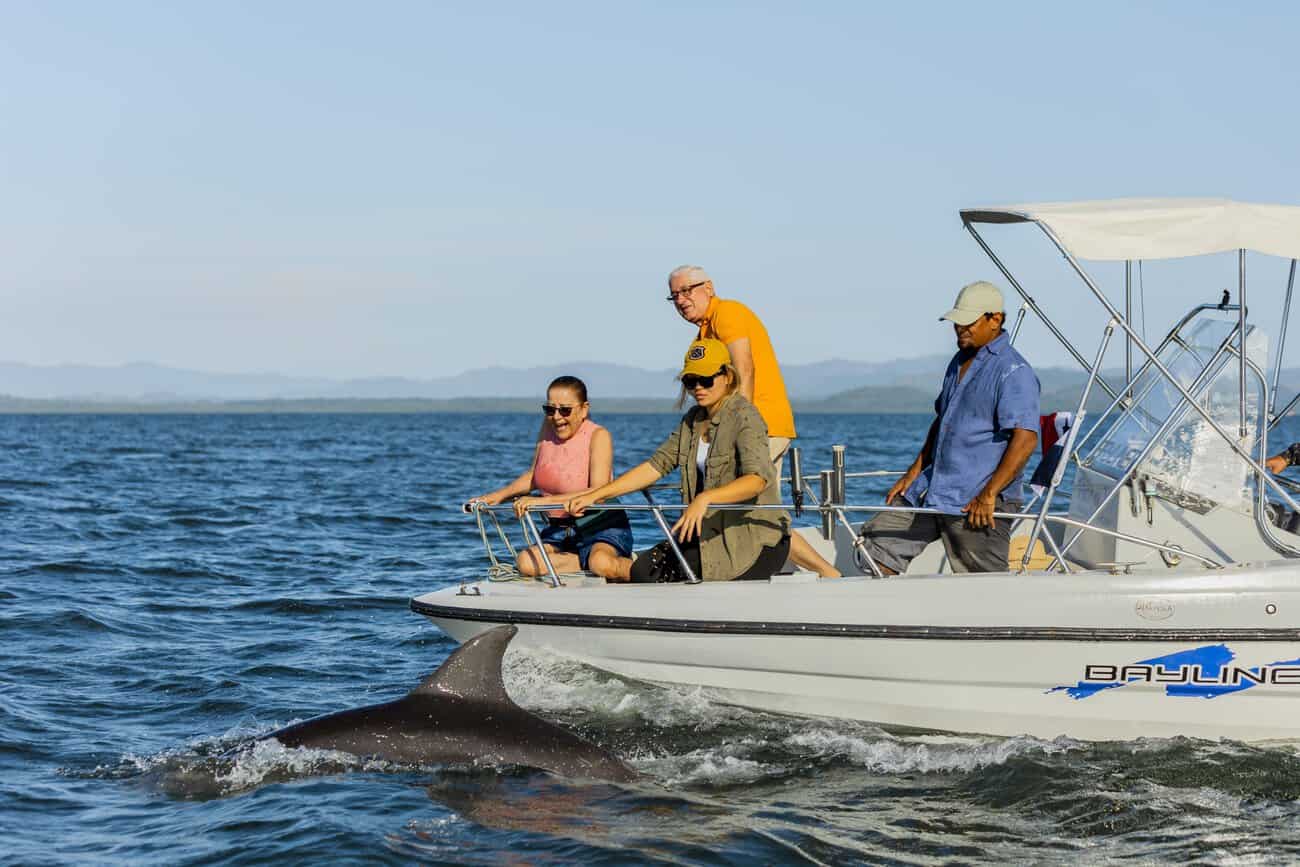
More than 80 resident bottlenose dolphins, tiger herons, roseate spoonbills, pelicans, frigatebirds and migratory shorebirds such as whimbrels and willets. Humpback whales pass near Cebaco from July to October.
Is a day in the Gulf of Montijo good for kids?
Yes. The water in the gulf is usually calm, the boats are private and have shade, and island beaches like Tres Islas are shallow and warm. Families with children are some of our most frequent guests.
Amazing photos from: @fsaproduction, @cebaco_sunrise, @fundacionmarviva, @pacificadvent, @cabanaspalmareal